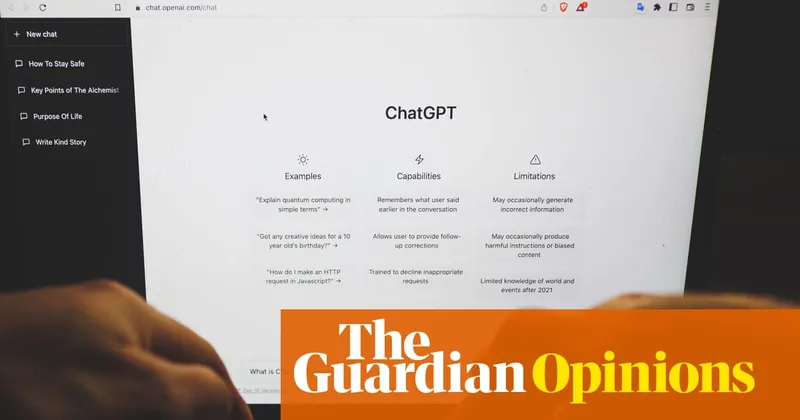
Be skeptical of OpenAI's rogue hacker agent story
OpenAI announced GPT-2 on February 14, 2019, but withheld its release due to concerns about safety and potential abuse. The decision was met with criticism from some researchers who felt it limited opportunities for study and understanding of the model.
theguardian.com
3 min
7/24/2026
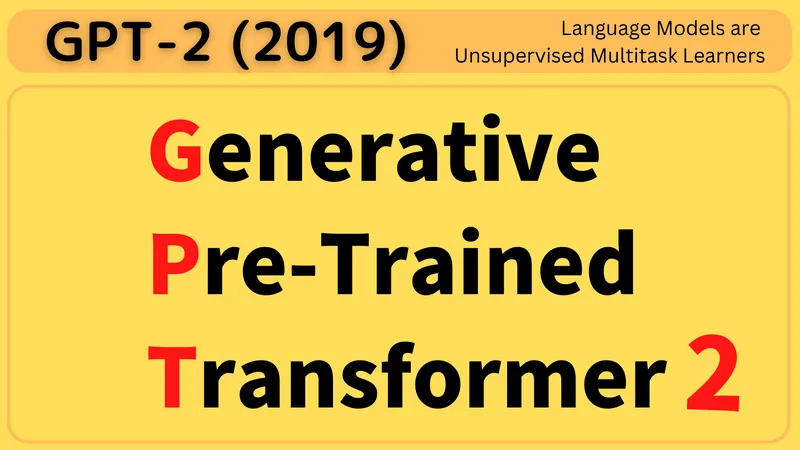
GPT-2: Too Dangerous To Release (2019)
GPT-2 is a scaled-up version of GPT-1, featuring more parameters and trained on a larger dataset. OpenAI decided not to release the full model due to concerns about potential malicious applications, opting instead to release a smaller model and a technical paper for research purposes.
naokishibuya.github.io
3 min
6/9/2026

Be skeptical of OpenAI's rogue hacker agent story
OpenAI announced GPT-2 on February 14, 2019, but withheld its release due to concerns about safety and potential abuse. The decision was met with criticism from some researchers who felt it limited opportunities for study and understanding of the model.
theguardian.com
3 min
7/24/2026
GPT-2: Too Dangerous To Release (2019)
GPT-2 is a scaled-up version of GPT-1, featuring more parameters and trained on a larger dataset. OpenAI decided not to release the full model due to concerns about potential malicious applications, opting instead to release a smaller model and a technical paper for research purposes.
naokishibuya.github.io
3 min
6/9/2026
Be skeptical of OpenAI's rogue hacker agent story
OpenAI announced GPT-2 on February 14, 2019, but withheld its release due to concerns about safety and potential abuse. The decision was met with criticism from some researchers who felt it limited opportunities for study and understanding of the model.
theguardian.com
3 min
7/24/2026
GPT-2: Too Dangerous To Release (2019)
GPT-2 is a scaled-up version of GPT-1, featuring more parameters and trained on a larger dataset. OpenAI decided not to release the full model due to concerns about potential malicious applications, opting instead to release a smaller model and a technical paper for research purposes.
naokishibuya.github.io
3 min
6/9/2026
No more articles to load