Vintage Artificial Intelligence: Before It Got Awkward
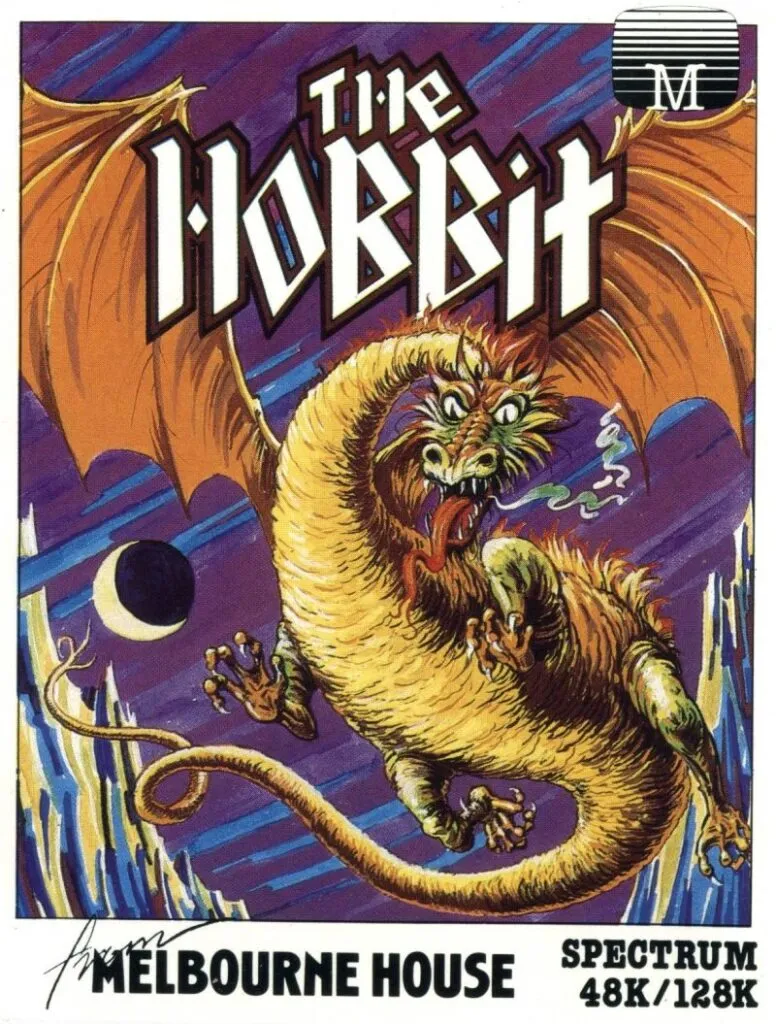
The Internet Archive has launched the Vintage Artificial Intelligence collection, a curated group of emulated software packages from roughly the 1970s through the 1990s. The programs do not actually think, but they portray thinking machines, simulated personalities, autonomous characters and computer-controlled opponents across home computers and game consoles. The collection is available for research, education and play. The collection includes numerous ports of Joseph Weizenbaum’s ELIZA, whose DOCTOR script imitated a psychologist through question-and-answer exchanges and led some users to treat it as a real conversational partner. Versions run on systems including the Apple II, Atari 800, Radio Shack Color Computer and PalmPilot. Other conversational programs include Dr. Z, Talking Sam, Hyper Psych, DR. SPOC, Abuse and Serbian-language parody Pisko. Racter, a commercial chatbot released in 1985, generated sentences and stories and was marketed as a program capable of conversation. Games and simulations in the collection used rules, scripted events and variable character behavior to create impressions of independent digital life. Activision’s Alter Ego let players guide a persona through life stages and consequences, while Little Computer People simulated inhabitants living inside a computer. Murder on the Zinderneuf, Suspended, Deadline and The Hobbit featured characters acting beyond the player’s immediate control. Robot War, Worms and Fortress let players program automated competitors before sending them into arenas.
blog.archive.org
9 min
8/24/2026

Science Fiction Is Dying. Long Live Post Sci-Fi?
Written science fiction is experiencing a decline, with fewer books being published in the genre. While sci-fi remains popular in films, video games, and TV, it has traditionally been the source of new ideas and trends for those mediums.
typebarmagazine.com
22 min
3/8/2026
Vintage Artificial Intelligence: Before It Got Awkward
The Internet Archive has launched the Vintage Artificial Intelligence collection, a curated group of emulated software packages from roughly the 1970s through the 1990s. The programs do not actually think, but they portray thinking machines, simulated personalities, autonomous characters and computer-controlled opponents across home computers and game consoles. The collection is available for research, education and play. The collection includes numerous ports of Joseph Weizenbaum’s ELIZA, whose DOCTOR script imitated a psychologist through question-and-answer exchanges and led some users to treat it as a real conversational partner. Versions run on systems including the Apple II, Atari 800, Radio Shack Color Computer and PalmPilot. Other conversational programs include Dr. Z, Talking Sam, Hyper Psych, DR. SPOC, Abuse and Serbian-language parody Pisko. Racter, a commercial chatbot released in 1985, generated sentences and stories and was marketed as a program capable of conversation. Games and simulations in the collection used rules, scripted events and variable character behavior to create impressions of independent digital life. Activision’s Alter Ego let players guide a persona through life stages and consequences, while Little Computer People simulated inhabitants living inside a computer. Murder on the Zinderneuf, Suspended, Deadline and The Hobbit featured characters acting beyond the player’s immediate control. Robot War, Worms and Fortress let players program automated competitors before sending them into arenas.
blog.archive.org
9 min
8/24/2026
Science Fiction Is Dying. Long Live Post Sci-Fi?
Written science fiction is experiencing a decline, with fewer books being published in the genre. While sci-fi remains popular in films, video games, and TV, it has traditionally been the source of new ideas and trends for those mediums.
typebarmagazine.com
22 min
3/8/2026
Vintage Artificial Intelligence: Before It Got Awkward
The Internet Archive has launched the Vintage Artificial Intelligence collection, a curated group of emulated software packages from roughly the 1970s through the 1990s. The programs do not actually think, but they portray thinking machines, simulated personalities, autonomous characters and computer-controlled opponents across home computers and game consoles. The collection is available for research, education and play. The collection includes numerous ports of Joseph Weizenbaum’s ELIZA, whose DOCTOR script imitated a psychologist through question-and-answer exchanges and led some users to treat it as a real conversational partner. Versions run on systems including the Apple II, Atari 800, Radio Shack Color Computer and PalmPilot. Other conversational programs include Dr. Z, Talking Sam, Hyper Psych, DR. SPOC, Abuse and Serbian-language parody Pisko. Racter, a commercial chatbot released in 1985, generated sentences and stories and was marketed as a program capable of conversation. Games and simulations in the collection used rules, scripted events and variable character behavior to create impressions of independent digital life. Activision’s Alter Ego let players guide a persona through life stages and consequences, while Little Computer People simulated inhabitants living inside a computer. Murder on the Zinderneuf, Suspended, Deadline and The Hobbit featured characters acting beyond the player’s immediate control. Robot War, Worms and Fortress let players program automated competitors before sending them into arenas.
blog.archive.org
9 min
8/24/2026
Science Fiction Is Dying. Long Live Post Sci-Fi?
Written science fiction is experiencing a decline, with fewer books being published in the genre. While sci-fi remains popular in films, video games, and TV, it has traditionally been the source of new ideas and trends for those mediums.
typebarmagazine.com
22 min
3/8/2026
No more articles to load