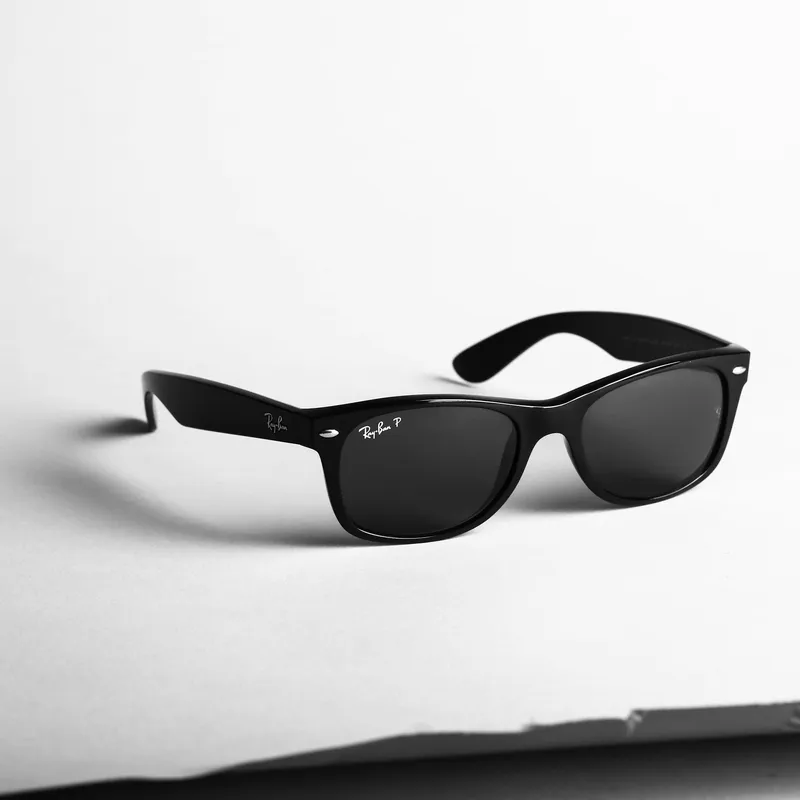
Meta Files Patent for Facial Recognition, Automatic Recording of People
Meta has filed a patent application describing a “memory recall” system for smart glasses that could identify people through facial recognition, detect actions, automatically capture video, and later generate highlight reels. An illustrated example depicts the system recognizing moments at a dinner party and offering a user generated highlights from the event. The patent materials described in the report do not show a prompt seeking permission before recording begins. Meta’s Ray-Ban smart glasses use a white capture LED that blinks while content is recorded. Meta says covering or disabling the LED automatically disables the camera, and has released updates intended to prevent recording when the light is malfunctioning or obscured. Meta has also promoted the indicator as a distinction from phones and action cameras, which generally lack an outward-facing recording light. A patent filing does not establish that Meta will release the feature. The report also says a future version of the glasses might record without the indicator light, which would remove the visible signal currently intended to notify bystanders of recording. Meta was also reported earlier in 2026 to have sent clips containing bank details, sexual activity, and nude people to workers for AI training with limited privacy protections.
privacyguides.org
2 min
8/18/2026

Meta is adding rate limits and soft paywall to smart glasses
Meta is implementing a limit of three hours per month on the Conversation Focus feature of its smart glasses, unless users subscribe to the Meta One Premium service for $19.99. All owners of the AI glasses will receive free monthly usage for certain features.
theverge.com
3 min
7/1/2026
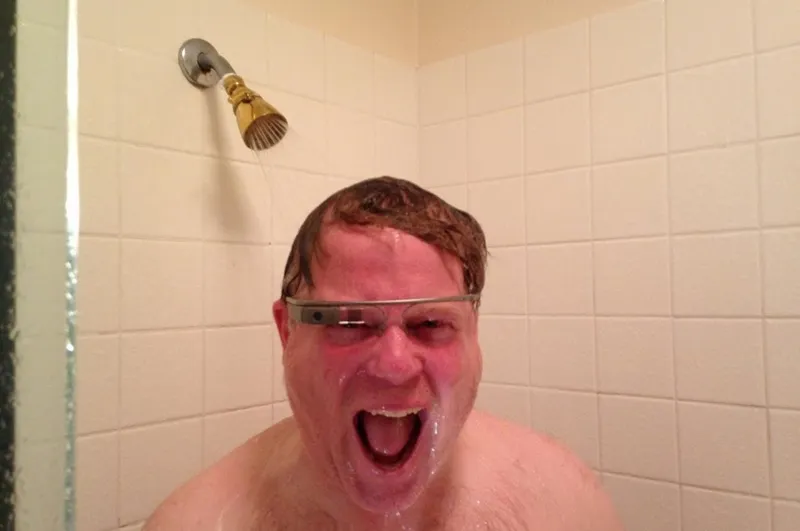
Tacky men with ridiculous glasses want you to wear them too
Meta has sold millions of camera glasses that utilize artificial intelligence. Silicon Valley executives advocate for these devices as a solution to screen addiction, despite concerns about their practicality and aesthetics.
manualdousuario.net
4 min
6/22/2026
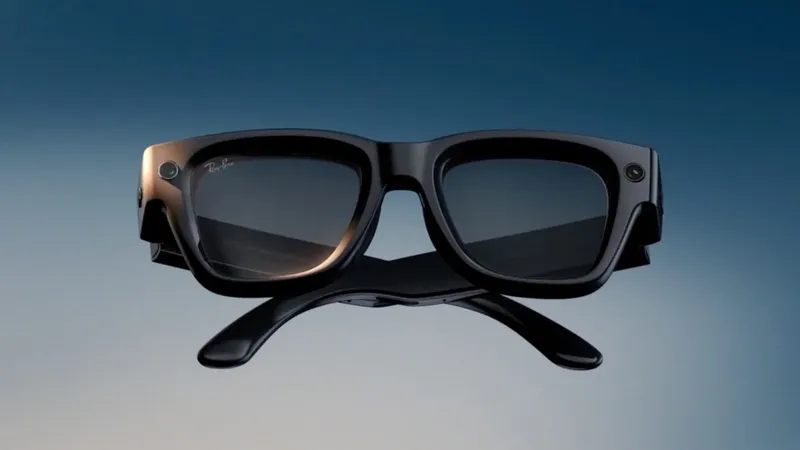
"A serious threat to privacy" Meta issued warning by 75 orgs over planned facial recognition in smart glasses
Meta's planned integration of facial recognition technology into smart glasses has prompted a coalition of 75 organizations to issue a warning, labeling it a “serious threat to privacy.” The coalition urges Meta to abandon the facial recognition initiative due to concerns over privacy implications.
pcguide.com
2 min
4/14/2026

Workers report watching Ray-Ban Meta-shot footage of people using the bathroom
Meta subcontractor employees in Kenya reportedly viewed footage captured by Ray-Ban Meta smart glasses, including sensitive content of individuals using the bathroom. This incident has raised concerns about user privacy and the handling of data by Meta and its partners.
arstechnica.com
1 min
3/9/2026
Meta Files Patent for Facial Recognition, Automatic Recording of People
Meta has filed a patent application describing a “memory recall” system for smart glasses that could identify people through facial recognition, detect actions, automatically capture video, and later generate highlight reels. An illustrated example depicts the system recognizing moments at a dinner party and offering a user generated highlights from the event. The patent materials described in the report do not show a prompt seeking permission before recording begins. Meta’s Ray-Ban smart glasses use a white capture LED that blinks while content is recorded. Meta says covering or disabling the LED automatically disables the camera, and has released updates intended to prevent recording when the light is malfunctioning or obscured. Meta has also promoted the indicator as a distinction from phones and action cameras, which generally lack an outward-facing recording light. A patent filing does not establish that Meta will release the feature. The report also says a future version of the glasses might record without the indicator light, which would remove the visible signal currently intended to notify bystanders of recording. Meta was also reported earlier in 2026 to have sent clips containing bank details, sexual activity, and nude people to workers for AI training with limited privacy protections.
privacyguides.org
2 min
8/18/2026
Tacky men with ridiculous glasses want you to wear them too
Meta has sold millions of camera glasses that utilize artificial intelligence. Silicon Valley executives advocate for these devices as a solution to screen addiction, despite concerns about their practicality and aesthetics.
manualdousuario.net
4 min
6/22/2026
Workers report watching Ray-Ban Meta-shot footage of people using the bathroom
Meta subcontractor employees in Kenya reportedly viewed footage captured by Ray-Ban Meta smart glasses, including sensitive content of individuals using the bathroom. This incident has raised concerns about user privacy and the handling of data by Meta and its partners.
arstechnica.com
1 min
3/9/2026
Meta is adding rate limits and soft paywall to smart glasses
Meta is implementing a limit of three hours per month on the Conversation Focus feature of its smart glasses, unless users subscribe to the Meta One Premium service for $19.99. All owners of the AI glasses will receive free monthly usage for certain features.
theverge.com
3 min
7/1/2026
"A serious threat to privacy" Meta issued warning by 75 orgs over planned facial recognition in smart glasses
Meta's planned integration of facial recognition technology into smart glasses has prompted a coalition of 75 organizations to issue a warning, labeling it a “serious threat to privacy.” The coalition urges Meta to abandon the facial recognition initiative due to concerns over privacy implications.
pcguide.com
2 min
4/14/2026
Meta Files Patent for Facial Recognition, Automatic Recording of People
Meta has filed a patent application describing a “memory recall” system for smart glasses that could identify people through facial recognition, detect actions, automatically capture video, and later generate highlight reels. An illustrated example depicts the system recognizing moments at a dinner party and offering a user generated highlights from the event. The patent materials described in the report do not show a prompt seeking permission before recording begins. Meta’s Ray-Ban smart glasses use a white capture LED that blinks while content is recorded. Meta says covering or disabling the LED automatically disables the camera, and has released updates intended to prevent recording when the light is malfunctioning or obscured. Meta has also promoted the indicator as a distinction from phones and action cameras, which generally lack an outward-facing recording light. A patent filing does not establish that Meta will release the feature. The report also says a future version of the glasses might record without the indicator light, which would remove the visible signal currently intended to notify bystanders of recording. Meta was also reported earlier in 2026 to have sent clips containing bank details, sexual activity, and nude people to workers for AI training with limited privacy protections.
privacyguides.org
2 min
8/18/2026
"A serious threat to privacy" Meta issued warning by 75 orgs over planned facial recognition in smart glasses
Meta's planned integration of facial recognition technology into smart glasses has prompted a coalition of 75 organizations to issue a warning, labeling it a “serious threat to privacy.” The coalition urges Meta to abandon the facial recognition initiative due to concerns over privacy implications.
pcguide.com
2 min
4/14/2026
Meta is adding rate limits and soft paywall to smart glasses
Meta is implementing a limit of three hours per month on the Conversation Focus feature of its smart glasses, unless users subscribe to the Meta One Premium service for $19.99. All owners of the AI glasses will receive free monthly usage for certain features.
theverge.com
3 min
7/1/2026
Workers report watching Ray-Ban Meta-shot footage of people using the bathroom
Meta subcontractor employees in Kenya reportedly viewed footage captured by Ray-Ban Meta smart glasses, including sensitive content of individuals using the bathroom. This incident has raised concerns about user privacy and the handling of data by Meta and its partners.
arstechnica.com
1 min
3/9/2026
Tacky men with ridiculous glasses want you to wear them too
Meta has sold millions of camera glasses that utilize artificial intelligence. Silicon Valley executives advocate for these devices as a solution to screen addiction, despite concerns about their practicality and aesthetics.
manualdousuario.net
4 min
6/22/2026
No more articles to load