
I'm Becoming AI-Blind
A software professional reports becoming less able to concentrate on workplace documents that show what they perceive as strong signs of low-effort AI generation. They describe rereading such material without absorbing it, then asking senders questions already answered in the documents. Examples include a design document using Claude-like phrasing, a 20-page marketing deck that combines strategy with implausible technical jargon, and a verbose requirements document that resembles uncertain internal reasoning. The writer says AI-generated workplace text can be recognizable through distinctive wording, sentence flow, excessive verbosity, and efforts to portray routine details as major breakthroughs. They disagree with research suggesting people generally cannot reliably identify AI-generated text, arguing that low-effort output is easier to spot. They compare their reaction to banner blindness: repeated exposure to AI-generated LinkedIn posts, emails, and websites that they consider wordy but lacking meaning has trained them to mentally filter similar material. The writer says this filtering creates an unexpected productivity cost, because AI tools intended to improve efficiency can instead make them disengage from documents. They also recount noticing an apparently AI-generated restaurant image on the Baltic coast that seemed to depict moldy quiche.
cymerys.com
3 min
8/21/2026
Alibaba to ban Claude Code in workplace over alleged backdoor risks, source says
Alibaba plans to ban the use of Claude Code in its workplace due to concerns over potential backdoor risks. The decision is based on a source's claims about security vulnerabilities associated with the AI tool.
reuters.com
1 min
7/3/2026

White-collar workers are quietly rebelling against AI as 80% outright refuse adoption mandates
Eighty percent of white-collar workers refuse to adopt AI tools mandated by their companies. An MIT study shows over 90% of employees use personal chatbot accounts for tasks, often without approval, despite only 40% of companies having official LLM subscriptions.
fortune.com
10 min
4/9/2026

Amazon employees are "tokenmaxxing" due to pressure to use AI tools
Amazon employees are utilizing the internal AI tool "MeshClaw" to automate non-essential tasks and demonstrate increased use of AI technology to management. This product allows employees to create AI agents that connect to workplace software and perform tasks on their behalf.
arstechnica.com
1 min
5/12/2026

The New AI Superpowers: Focus and Followthrough
Burnout is increasing despite advancements in AI that can enhance task completion speed significantly. The complexity and overwhelming nature of managing multiple AI-driven tasks may contribute to feelings of burnout rather than alleviating them.
rickmanelius.com
4 min
7/26/2026
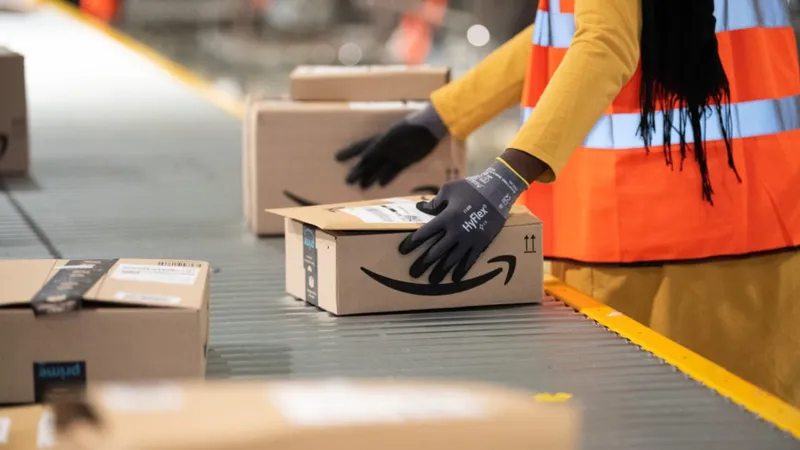
Amazon Employees Say AI Is Just Increasing Workload
A new study confirms that Amazon employees believe AI is increasing their workload rather than alleviating it. Despite promises of improved work-life balance and reduced overtime, many workers feel that AI tools have not delivered the expected benefits.
gizmodo.com
3 min
3/12/2026

I'm Becoming AI-Blind
A software professional reports becoming less able to concentrate on workplace documents that show what they perceive as strong signs of low-effort AI generation. They describe rereading such material without absorbing it, then asking senders questions already answered in the documents. Examples include a design document using Claude-like phrasing, a 20-page marketing deck that combines strategy with implausible technical jargon, and a verbose requirements document that resembles uncertain internal reasoning. The writer says AI-generated workplace text can be recognizable through distinctive wording, sentence flow, excessive verbosity, and efforts to portray routine details as major breakthroughs. They disagree with research suggesting people generally cannot reliably identify AI-generated text, arguing that low-effort output is easier to spot. They compare their reaction to banner blindness: repeated exposure to AI-generated LinkedIn posts, emails, and websites that they consider wordy but lacking meaning has trained them to mentally filter similar material. The writer says this filtering creates an unexpected productivity cost, because AI tools intended to improve efficiency can instead make them disengage from documents. They also recount noticing an apparently AI-generated restaurant image on the Baltic coast that seemed to depict moldy quiche.
cymerys.com
3 min
8/21/2026
White-collar workers are quietly rebelling against AI as 80% outright refuse adoption mandates
Eighty percent of white-collar workers refuse to adopt AI tools mandated by their companies. An MIT study shows over 90% of employees use personal chatbot accounts for tasks, often without approval, despite only 40% of companies having official LLM subscriptions.
fortune.com
10 min
4/9/2026
The New AI Superpowers: Focus and Followthrough
Burnout is increasing despite advancements in AI that can enhance task completion speed significantly. The complexity and overwhelming nature of managing multiple AI-driven tasks may contribute to feelings of burnout rather than alleviating them.
rickmanelius.com
4 min
7/26/2026
Alibaba to ban Claude Code in workplace over alleged backdoor risks, source says
Alibaba plans to ban the use of Claude Code in its workplace due to concerns over potential backdoor risks. The decision is based on a source's claims about security vulnerabilities associated with the AI tool.
reuters.com
1 min
7/3/2026
Amazon employees are "tokenmaxxing" due to pressure to use AI tools
Amazon employees are utilizing the internal AI tool "MeshClaw" to automate non-essential tasks and demonstrate increased use of AI technology to management. This product allows employees to create AI agents that connect to workplace software and perform tasks on their behalf.
arstechnica.com
1 min
5/12/2026
Amazon Employees Say AI Is Just Increasing Workload
A new study confirms that Amazon employees believe AI is increasing their workload rather than alleviating it. Despite promises of improved work-life balance and reduced overtime, many workers feel that AI tools have not delivered the expected benefits.
gizmodo.com
3 min
3/12/2026
I'm Becoming AI-Blind
A software professional reports becoming less able to concentrate on workplace documents that show what they perceive as strong signs of low-effort AI generation. They describe rereading such material without absorbing it, then asking senders questions already answered in the documents. Examples include a design document using Claude-like phrasing, a 20-page marketing deck that combines strategy with implausible technical jargon, and a verbose requirements document that resembles uncertain internal reasoning. The writer says AI-generated workplace text can be recognizable through distinctive wording, sentence flow, excessive verbosity, and efforts to portray routine details as major breakthroughs. They disagree with research suggesting people generally cannot reliably identify AI-generated text, arguing that low-effort output is easier to spot. They compare their reaction to banner blindness: repeated exposure to AI-generated LinkedIn posts, emails, and websites that they consider wordy but lacking meaning has trained them to mentally filter similar material. The writer says this filtering creates an unexpected productivity cost, because AI tools intended to improve efficiency can instead make them disengage from documents. They also recount noticing an apparently AI-generated restaurant image on the Baltic coast that seemed to depict moldy quiche.
cymerys.com
3 min
8/21/2026
Amazon employees are "tokenmaxxing" due to pressure to use AI tools
Amazon employees are utilizing the internal AI tool "MeshClaw" to automate non-essential tasks and demonstrate increased use of AI technology to management. This product allows employees to create AI agents that connect to workplace software and perform tasks on their behalf.
arstechnica.com
1 min
5/12/2026
Alibaba to ban Claude Code in workplace over alleged backdoor risks, source says
Alibaba plans to ban the use of Claude Code in its workplace due to concerns over potential backdoor risks. The decision is based on a source's claims about security vulnerabilities associated with the AI tool.
reuters.com
1 min
7/3/2026
The New AI Superpowers: Focus and Followthrough
Burnout is increasing despite advancements in AI that can enhance task completion speed significantly. The complexity and overwhelming nature of managing multiple AI-driven tasks may contribute to feelings of burnout rather than alleviating them.
rickmanelius.com
4 min
7/26/2026
White-collar workers are quietly rebelling against AI as 80% outright refuse adoption mandates
Eighty percent of white-collar workers refuse to adopt AI tools mandated by their companies. An MIT study shows over 90% of employees use personal chatbot accounts for tasks, often without approval, despite only 40% of companies having official LLM subscriptions.
fortune.com
10 min
4/9/2026
Amazon Employees Say AI Is Just Increasing Workload
A new study confirms that Amazon employees believe AI is increasing their workload rather than alleviating it. Despite promises of improved work-life balance and reduced overtime, many workers feel that AI tools have not delivered the expected benefits.
gizmodo.com
3 min
3/12/2026
No more articles to load