A desktop made for one

isene.org
May 3, 2026
6 min read
🔥🔥🔥🔥🔥
66/100
Summary
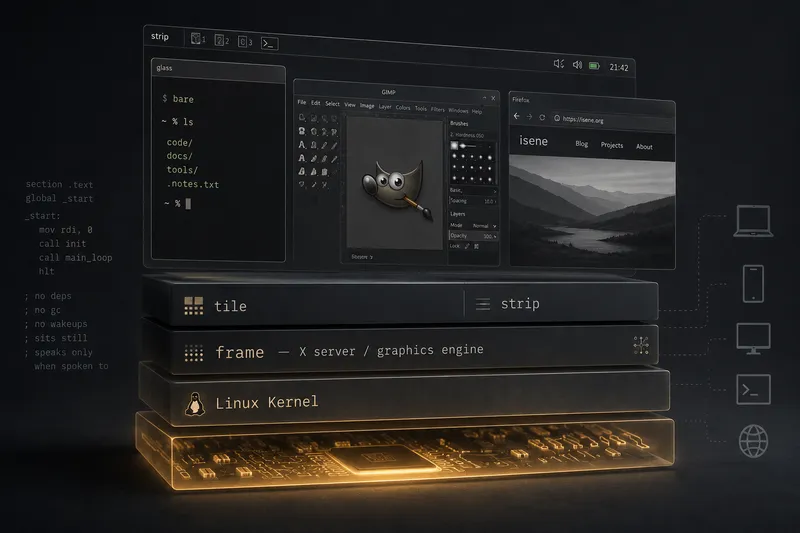
A custom desktop environment has been created where every program is tailored by the user. This shift involved replacing off-the-shelf software with personalized tools to enhance usability and efficiency.
Key Takeaways
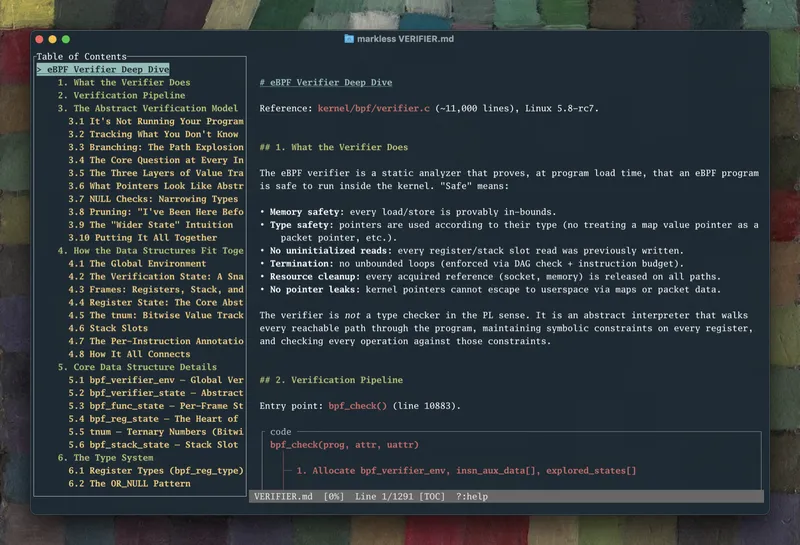
- The author has replaced almost all off-the-shelf software with custom-built tools tailored to their workflow, including a new text editor called scribe.
- The development of custom software has become significantly easier and faster due to advancements in programming languages like Rust and the availability of extensive documentation for TUI programming.
- The author completed the transition from using Vim to scribe in just three days, highlighting the efficiency of creating personalized software solutions.
- The gap between identifying a software need and implementing a solution has decreased, allowing for rapid development of tools that meet specific user requirements.
Coverage & discussions
Hacker News · isene.org
Community discussions
Community Sentiment
Positives
- The rise of 'Extremely Personal Software' indicates a shift towards highly customized applications, allowing users to create tools tailored to their unique needs, which could enhance productivity.
- AI tools like Claude enable users to develop bespoke software quickly, democratizing access to personalized solutions that were previously time-consuming to create.
- The ability to combine ideas from various tools to create unique software experiences reflects a growing trend towards artisanal software development, fostering creativity and innovation.
Concerns
- The cost of using advanced AI tools like Claude raises concerns about accessibility, as not everyone can afford the subscription fees associated with these technologies.
- There are challenges in ensuring the reliability and security of custom-built software, particularly with tools like X11, which may deter some users from pursuing personalized solutions.