Report · spectrum.ieee.org
AI Can Now Design Functional Viruses. Should We Worry?
spectrum.ieee.org
Source published August 15, 2026
Summary: 1 min read
🔥🔥🔥🔥🔥
45/100
Summary
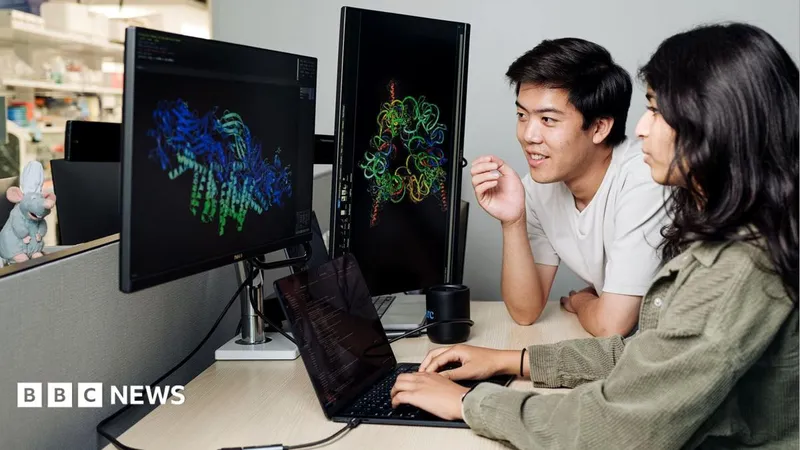
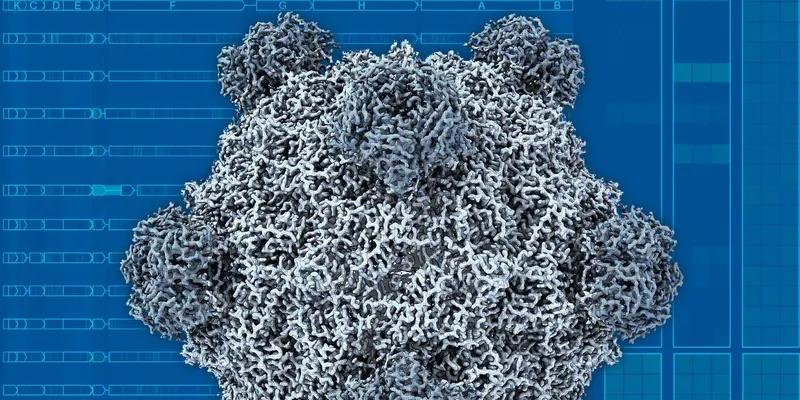
Researchers at Stanford University created 16 bacteria-infecting viruses using a genomic language model trained on extensive DNA sequences. These viruses represent the first complete, functional genomes generated entirely by AI.
Key Takeaways
- Researchers at Stanford University designed 16 complete, functional bacteriophages using a genomic language model trained on DNA sequences, marking the first AI-generated viral genomes.
- The AI-designed phages successfully infected E. coli strains that were resistant to natural viruses, demonstrating potential for bespoke phage therapies against antibiotic-resistant bacterial infections.
- The study raises concerns about the potential misuse of AI methods for creating biological agents, including viruses that could cause disease, highlighting the need for oversight in the field.
- The AI model, Evo 2, was trained on over 2 million bacteriophage genomes and further fine-tuned with an additional 15,000 related genomes to produce the candidate phage genomes.
Coverage & discussions
Hacker News · spectrum.ieee.org
Community discussions
Community Sentiment
Positives
- AI has the potential to solve significant global challenges, but we need to ensure it doesn't remove us from the equation in the process.
- The regulation at the DNA printer level could be effective, as long as we stay ahead of home DNA printing technology.
Concerns
- The proliferation of AI technologies gives a small number of people the power to cause catastrophic impacts on billions, and we lack the governance to manage this risk.
- The idea that AI could be an existential threat raises alarms about our ability to control its development and use responsibly.
- Custom-designed viruses could potentially be far deadlier than existing threats, posing serious risks if they fall into the wrong hands.