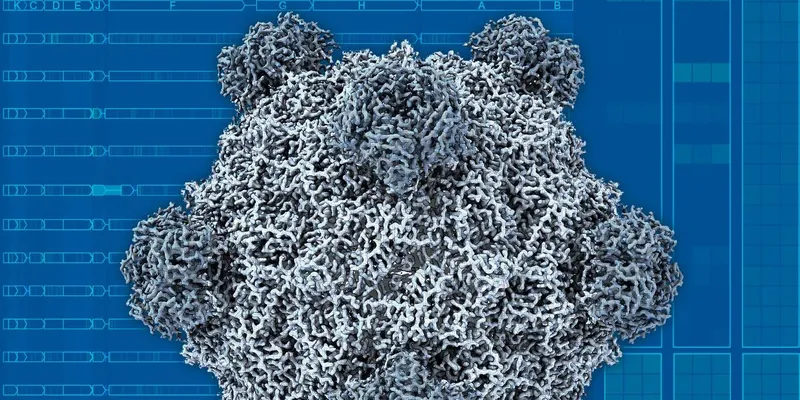
Artificial Intelligence used to design new viruses
bbc.co.uk
August 7, 2026
4 min read
🔥🔥🔥🔥🔥
44/100
Summary
Artificial Intelligence has been successfully used to design 16 novel viruses that can replicate in laboratory conditions and infect bacteria. This marks the first instance of AI designing whole genomes, representing a significant advancement in scientific research.
Key Takeaways
- AI has been used to design fully functional viruses that can replicate in the laboratory, marking the first successful creation of whole genomes by AI.
- Sixteen novel bacteriophages were developed to specifically target and kill E. coli bacteria, demonstrating potential for new infection treatments.
- The research raises urgent biosafety and biosecurity concerns regarding the potential misuse of AI-designed viruses to create harmful pathogens.
- The AI models used for this research, Evo1 and Evo2, were trained on genetic codes from various organisms and represent a significant advancement in synthetic biology.
Community Sentiment
Positives
- The study's approach to using AI for designing phages shows potential for innovative treatments against bacterial infections, which could be groundbreaking in the medical field.
Concerns
- Generative models for DNA sequences could lead to dangerous technologies, raising fears about the possible creation of lethal viruses that evade immune responses.
- Publicly releasing model weights poses a risk of irreversible proliferation, making the development of bioweapons a real concern that can't be dismissed as far-fetched.
- Commenters worry that the AI-generated designs might be overhyped, lacking sufficient context about their success rates and prior research.