Report · techcrunch.com
AI execs may be too out of touch to build for the general public
techcrunch.com
Source published October 28, 2026
Summary: 2 min read
0/100
Summary
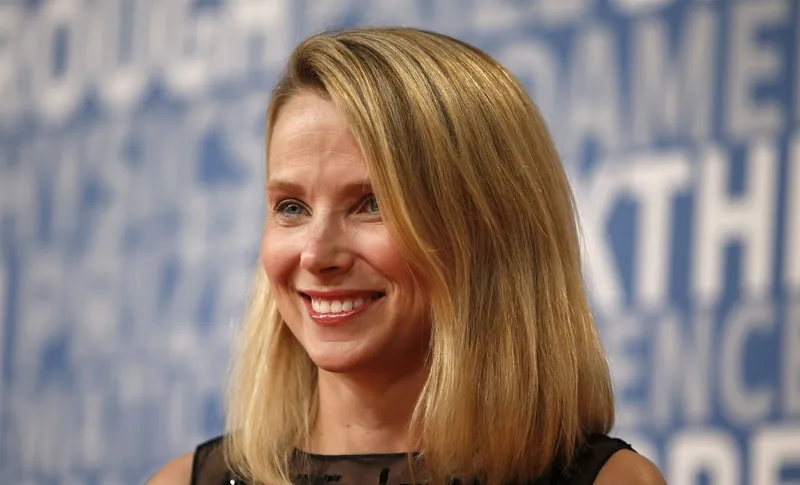
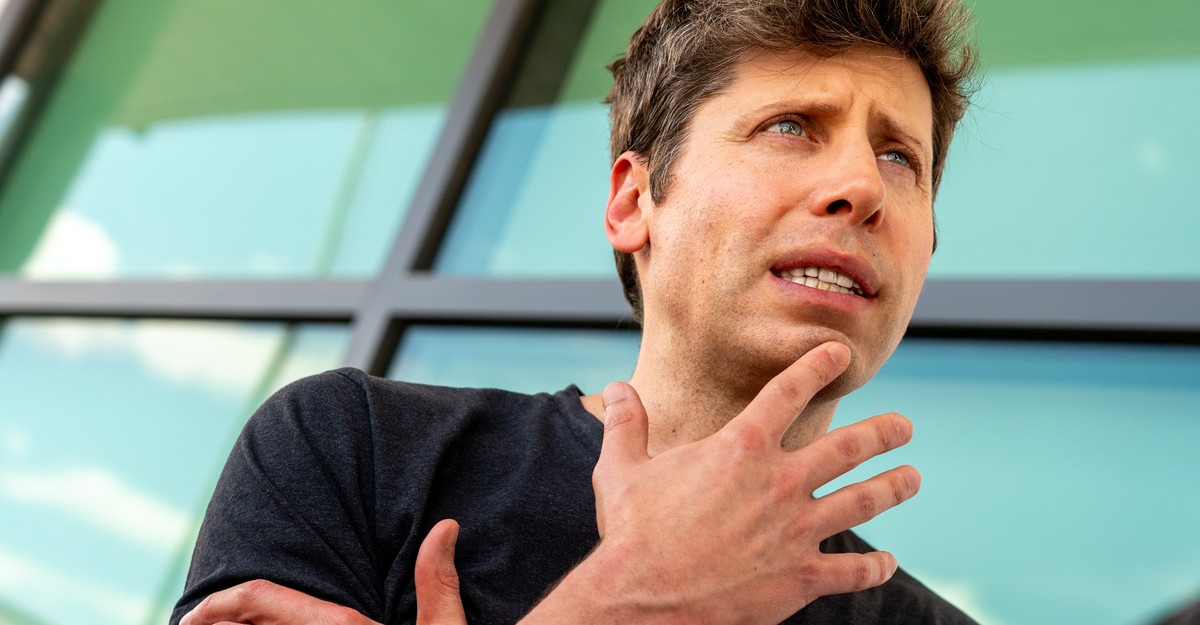
Marissa Mayer’s AI app Dazzle learns from users’ camera rolls and can help plan family activities, playdates, Halloween costumes, and children’s birthday-party themes. In an interview, Mayer said Dazzle generated three points for a school birthday presentation about her 10-year-old daughter: “empathetic, creative, and an animal lover.” After criticism, Mayer said she had been testing a prototype rather than relying on it to explain her child, and said it resurfaced photos of kindergarten projects including a “snake devenomer” and a “sandcat playground.” OpenAI CEO Sam Altman previously said he could not imagine raising a newborn without ChatGPT, and later suggested ChatGPT Work could create a podcast covering children’s upcoming birthdays, soccer games, and interests. Mayer has also proposed that an AI assistant could coordinate plans with her husband’s AI assistant. When asked whether an AI-planned “frictionless future” sounded depressing, Mayer said she had not thought it through. A Pew Research Center study found that 50% of U.S. adults believe AI will reduce people’s ability to form meaningful relationships, while 5% said it would make such connections easier. Meta CEO Mark Zuckerberg has predicted broader acceptance of AI therapists and romantic partners, arguing that many people feel lonelier and want more connection than they have.
Key Takeaways
- Dazzle is an AI assistant that learns from a user’s camera roll and can help organize family-related plans and activities.
- Marissa Mayer said Dazzle helped surface childhood projects that illustrated her daughter’s creativity and interest in animals after criticism of an AI-generated birthday description.
- Pew Research Center found that 50% of U.S. adults think AI will reduce people’s ability to form meaningful relationships, compared with 5% who think it will make those connections easier.
- Mark Zuckerberg has predicted that AI therapists and AI romantic partners will become more socially acceptable as people seek greater connection.
Coverage & discussions
RSS · TechCrunch AI · techcrunch.com
Hacker News · techcrunch.com
Community discussions
Reported comments: 68 · 9 saved in sample
Analysis ready
Read this discussion’s reaction
Based on 9 sampled comments from this thread. Analyzed 2026-10-29.
The thread treated the headline as less about abstract executive detachment than about a specific product instinct: turning care, friendship, and family attention into AI services. Most commenters recoiled at executives presenting robot childcare, eldercare, pet care, synthetic podcasts for children, or AI companions as obviously desirable. Their objection was not simply that automation is eerie; it was that these proposals mistake deeply human relationships for chores and route intimate life through large corporations that already profit from thinning social connection. There was a meaningful qualification. Several readers noted that simultaneous childcare and eldercare can be crushing, and that people already rely on nannies, dog walkers, and care facilities when time, money, or health make direct care impossible. From that view, AI assistance could relieve impossible burdens rather than signal indifference. Another hopeful framing was that automating paid work, rather than replacing family interaction, could free people for relationships. Still, the prevailing read was bleak: wealthy AI leaders appear to inhabit an insulated world where the affluent slice they know looks like everyone, and where a generated substitute is offered before fixing the conditions that deprive people of time and community.
The sharp dispute is whether AI care and companionship tools liberate overwhelmed people or commercialize relationships that should remain human. Defenders argue that real caregiving demands can exceed any family’s capacity and that automation could create time for loved ones; critics answer that executives are proposing synthetic replacements for connection while ignoring the economic pressures and corporate incentives that made connection scarce.
- Praise: AI could meaningfully ease the punishing overlap of raising young children while caring for seriously ill or aging parents, where human capacity genuinely runs out.
- Praise: Automating paid work rather than family life could give people back the time and energy to be present with friends, children, and relatives.
- Praise: Existing reliance on professional carers suggests assistive AI may fill practical gaps when people cannot provide every form of care themselves.
- Concern: Robot-led childcare, eldercare, and pet care struck commenters as a rich-person fantasy that treats chosen acts of love as disposable household labor.
- Concern: Synthetic media tailored to children was seen as especially grim: a parent outsourcing conversation rather than using technology to support real interaction.
- Concern: AI companions look less like a cure for loneliness than a corporate substitute for friendship, particularly when their builders helped monetize attention and weaken social ties.
- Concern: Executives appear to generalize from an elite bubble, designing for a narrow affluent world while claiming to serve ordinary people.
Related Articles
AI can make tech CEOs’ lives easier. What about everyone else?
Nov 1, 2026

'Tell Him He's a Piece of Shit': Meta's New AI Unit Is a Total Mess
Jun 14, 2026
Sam Altman Is Losing His Grip on Humanity
Feb 24, 2026

Silicon Valley has forgotten what normal people want
Apr 27, 2026

Palantir Wants to Reinstate the Draft
Apr 20, 2026