Anatomy of a Failed (Nation-State?) Attack

grack.com
June 27, 2026
5 min read
🔥🔥🔥🔥🔥
55/100
Summary
Claude was utilized to accelerate the RAT analysis and create an IoC-detection script for a failed nation-state attack. The payload-laden image associated with the attack does not activate any antivirus engines on VirusTotal.
Key Takeaways
- The author encountered a sophisticated phishing attempt involving a fake interview scam that aimed to install a backdoor on their machine using a malicious payload disguised as a TypeScript repository.
- The malicious payload, referred to as "PinpinRAT," was identified through an analysis of the repository, which contained obfuscated code embedded in a patch file.
- The attacker used a fabricated persona and legitimate-looking communications to establish credibility before attempting to execute the attack.
- The payload-laden image associated with the attack did not trigger any antivirus engines on VirusTotal, indicating its stealthy nature.
Coverage & discussions
Hacker News · grack.com
Community discussions
Community Sentiment
Positives
- The use of LLMs in phishing attempts has made them appear more legitimate, increasing the urgency for improved security measures.
- The community's awareness of evolving attack methods highlights the need for continuous adaptation in cybersecurity practices.
Concerns
- The simplicity of executing such attacks with a 12b LLM model indicates a significant risk, as it could lead to widespread malicious activities.
- There's a growing concern that script kiddies could easily exploit basic vulnerabilities, making sophisticated attacks seem commonplace.
Related Articles

How to compromise your system with a job interview
Aug 20, 2026

We May Be Living Through the Most Consequential Hundred Days in Cyber History
Apr 13, 2026
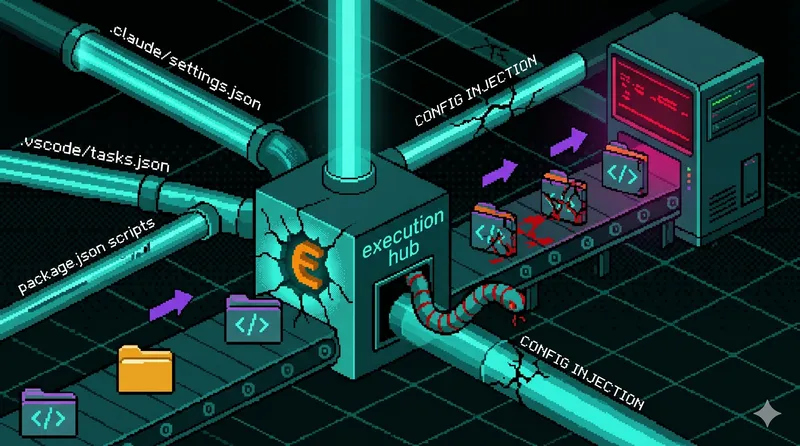
Config Files That Run Code: Supply Chain Security Blindspot
Jun 8, 2026

Keyv and friends compromised in active Shai-Hulud supply chain attack
Aug 4, 2026

Incident CVE-2026-LGTM
Jun 26, 2026