Breaking the spell of vibe coding

fast.ai
February 13, 2026
9 min read
🔥🔥🔥🔥🔥
66/100
Summary
Vibe coding involves generating large volumes of complex AI-generated code that is typically not intended for human readability. This trend has led to executive layoffs, pressure on employees to meet AI-generated code quotas, and concerns among software developers about their productivity compared to perceived "10x developers."
Key Takeaways
- Vibe coding involves generating large amounts of complex AI code intended for machines rather than human readability, leading to concerns about job security among software developers and students in computer science.
- The results of vibe coding have not met early expectations, with developers experiencing issues such as creating unused tools and feeling trapped in a cycle of unproductive engagement.
- The concept of "dark flow" describes a state of engagement that resembles true flow but is driven by addictive qualities similar to gambling, leading to superficial experiences rather than personal growth.
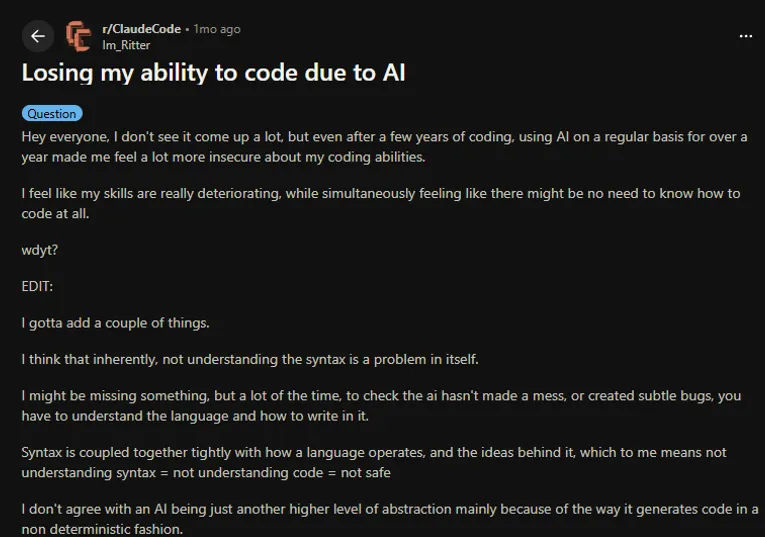
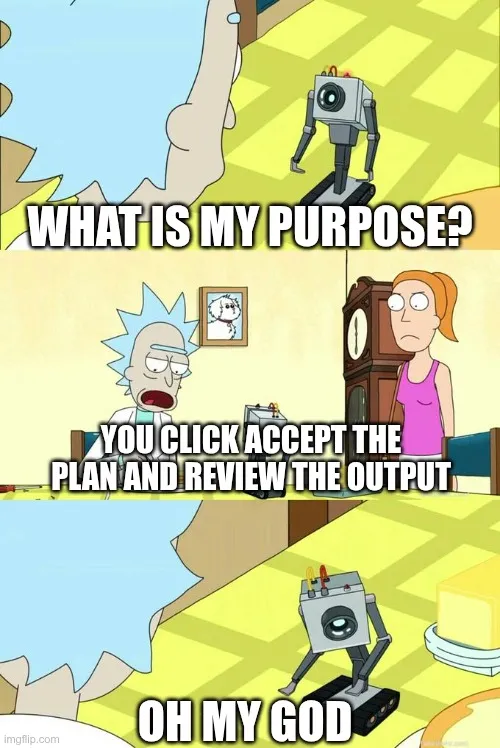
- Executives and managers are pressuring employees to produce AI-generated code, which contributes to a culture of anxiety and uncertainty regarding career development in the tech industry.
Coverage & discussions
Hacker News · fast.ai
Community discussions
Community Sentiment
Positives
- Using LLMs has dramatically increased efficiency in software development, enabling tasks that previously seemed impossible, marking a new era in coding practices.
- The integration of AI tools encourages developers to strengthen their architectural and design skills, fostering a more holistic approach to software engineering.
Concerns
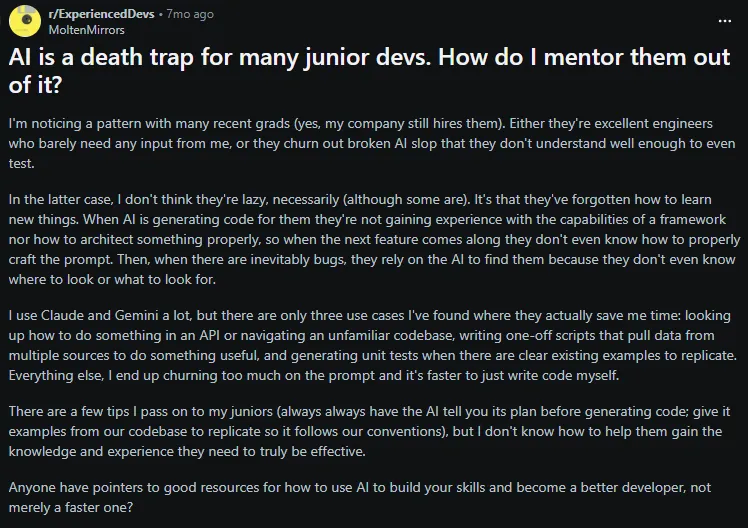
- Relying too heavily on AI for coding can lead to serious risks, including hallucinated bugs and a lack of familiarity with the code, which undermines ownership and learning.
- LLMs excel at writing individual functions but struggle with architectural decisions, highlighting a gap in their ability to understand broader software design needs.