Claude is an Electron App because we've lost native
tonsky.me
March 3, 2026
3 min read
🔥🔥🔥🔥🔥
57/100
Summary
Claude is developed as an Electron app despite spending $20,000 on a Rust-based agent swarm for a C-compiler. Current limitations of large language models (LLMs) necessitate manual refinement, leading to increased costs and hindering the shift to native applications.
Key Takeaways
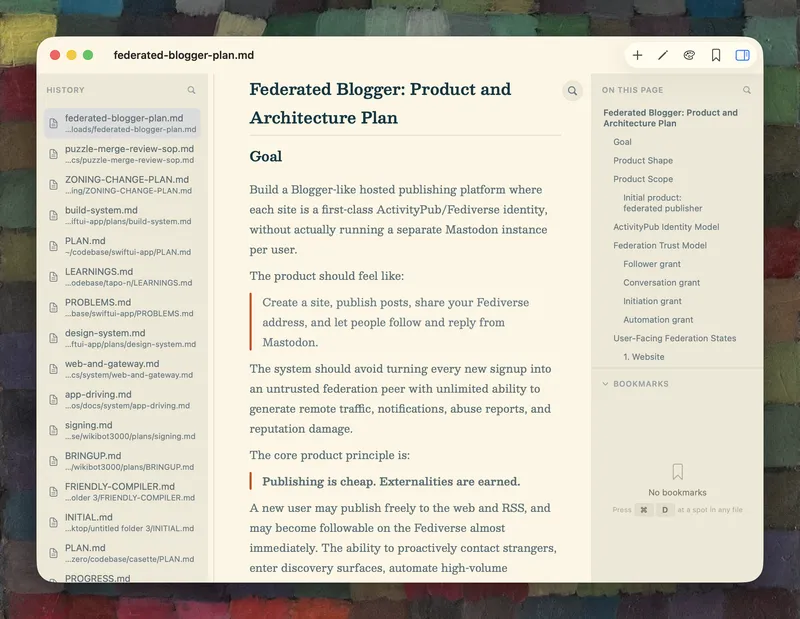
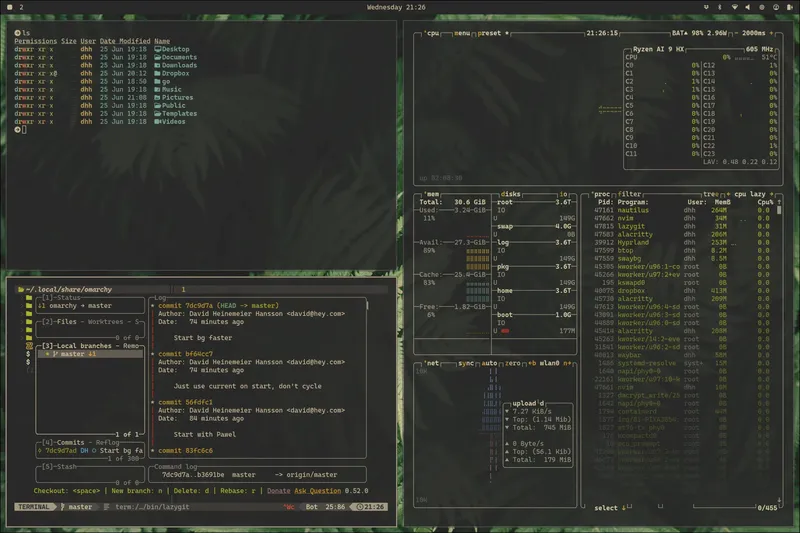
- Native apps have lost their advantages over web apps due to poor API usability and inconsistent user interfaces across platforms.
- The integration capabilities of native apps are limited by a lack of interoperable file formats and a shift towards web services.
- Performance concerns for native apps are often overstated, as both native and web apps can exhibit poor performance due to design choices rather than inherent technology limitations.
- The decline of native app quality is attributed to a general lack of care in software development rather than the choice of technology stack.
Coverage & discussions
Hacker News · tonsky.me
Community discussions
Community Sentiment
Positives
- The flexibility of using frameworks like Tauri, which leverages Rust, could lead to innovative applications that enhance performance and user experience.
- The emphasis on making software that 'works' first aligns with the iterative nature of AI development, where initial models may be inefficient but pave the way for future advancements.
Concerns
- The reliance on Electron apps highlights a concerning trend of developers opting for convenience over optimizing performance, potentially stifling innovation in native applications.
- The shift towards design systems and brand language in app development often compromises user experience, leading to inconsistencies that can confuse users.