Designing emoji for the way we communicate today
blog.google
July 17, 2026
3 min read
🔥🔥🔥🔥🔥
47/100
Summary
Emoji usage has evolved from literal representations to conveying nuanced emotions and subtext in communication. They now serve as a supplemental language that enhances messages and prevents misunderstandings.
Key Takeaways
- Emoji usage has evolved from literal representations to conveying complex emotional subtext, reflecting changes in modern communication styles.
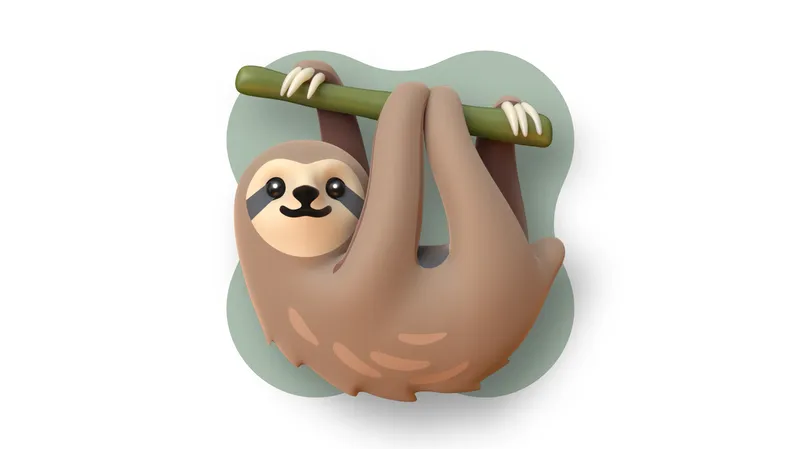
- The Noto 3D emoji update introduces fully three-dimensional models, enhancing expressiveness while prioritizing user comprehension through design research.
- An AI-powered contrast tool was developed to improve visibility of emoji with darker skin tones in dark mode by ensuring adequate contrast levels.
- The entire Noto 3D emoji portfolio is open source, allowing users to remix and adapt the designs for various applications.
Community Sentiment
Positives
- The industry is slowly consolidating around Apple's emoji design, which could lead to more consistency across platforms — a win for user communication.
- Redesigning emojis to fit modern design trends is a valid approach, as it allows for better integration with the overall user experience of an operating system.
Concerns
- 3D modeling emojis seems pointless, as the article fails to address practical user needs — it feels like a self-inflicted problem.
- Many commenters feel that emojis have reached their final form and that further 'innovation' is unnecessary and even detrimental.
- The lack of visual comparisons in the article makes it feel uninformative, leaving readers wanting more concrete details about the new emoji designs.
Related Articles
Tooltips need a delay, and then they need to skip it
Aug 25, 2026

What we lost when search stopped making us think
Aug 21, 2026
Kagi added a setting for removing paywalled links from search results
Aug 21, 2026

HackEurope 2026: A short rant on AI and hackathons
Aug 17, 2026
Google Search Is Dying. What Comes Next Is Worse
Aug 10, 2026