Germany’s Infineon opens major chip plant as EU seeks tech autonomy
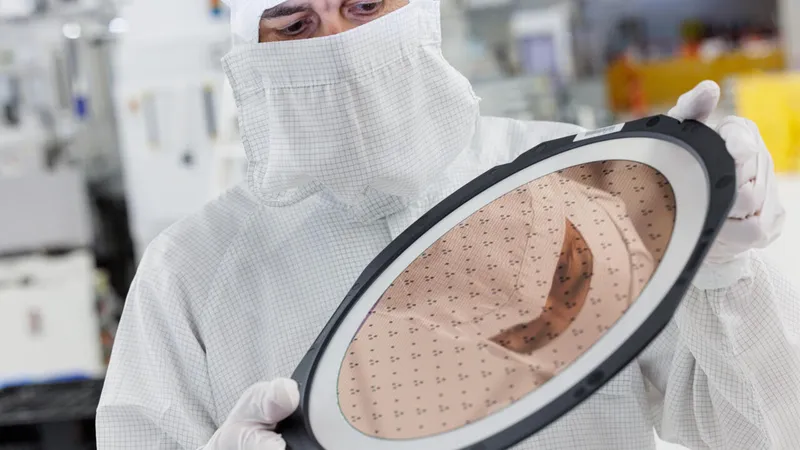
rfi.fr
July 2, 2026
3 min read
🔥🔥🔥🔥🔥
58/100
Summary
Infineon has opened a five-billion-euro microchip plant called "Smart Power Fab" in Dresden, Germany, completed three months ahead of schedule. This facility represents the EU's initiative to enhance technological autonomy and reduce dependency on Asia and the United States for critical semiconductor components.
Key Takeaways
- Infineon opened a five-billion-euro microchip plant in Dresden, Germany, to enhance Europe's semiconductor autonomy.
- The facility will produce chips for intelligent power management, supporting industries such as electric vehicles and renewable energy.
- The plant was funded in part by the EU's Chips Act, which allocated one billion euros in subsidies to increase the EU's semiconductor production share from 10% to 20% by 2030.
- The plant is located in "Silicon Saxony," a region known for its strong microchip industry and skilled engineering workforce.
Coverage & discussions
Hacker News · rfi.fr
Community discussions
Community Sentiment
Positives
- The establishment of the European Semiconductor Manufacturing Company signifies a collaborative effort to enhance Europe's semiconductor capabilities, which is crucial for tech autonomy.
- Infineon's focus on intelligent power management chips aligns with the growing demand for efficient energy solutions in AI data centers, highlighting their relevance in modern applications.
- The investment of €1 billion from the EU's Chips Act demonstrates a strong commitment to bolstering local semiconductor production, which is vital for economic stability and technological independence.
Concerns
- Concerns about the plant producing only low-tech chips suggest a lack of ambition in advancing Europe's semiconductor technology compared to global leaders.
- Skepticism exists regarding the actual relevance of these chips to AI, with some commenters questioning whether the AI label is merely a marketing tactic.
- The perception that the facility's construction was primarily driven by pre-existing plans rather than the current AI boom raises doubts about its strategic timing and impact.
Related Articles
Moonshot’s Kimi uses 20k Nvidia chip cluster from Alibaba
Jul 31, 2026
Chinese chipmaker shares surge 470%
Jul 27, 2026
RAM prices are forcing companies to choose higher prices, worse specs, or both
May 6, 2026

Arm wants a bigger slice of the chip business
Feb 16, 2026
TSMC to make advanced AI semiconductors in Japan
Feb 9, 2026