Moonshot’s Kimi uses 20k Nvidia chip cluster from Alibaba
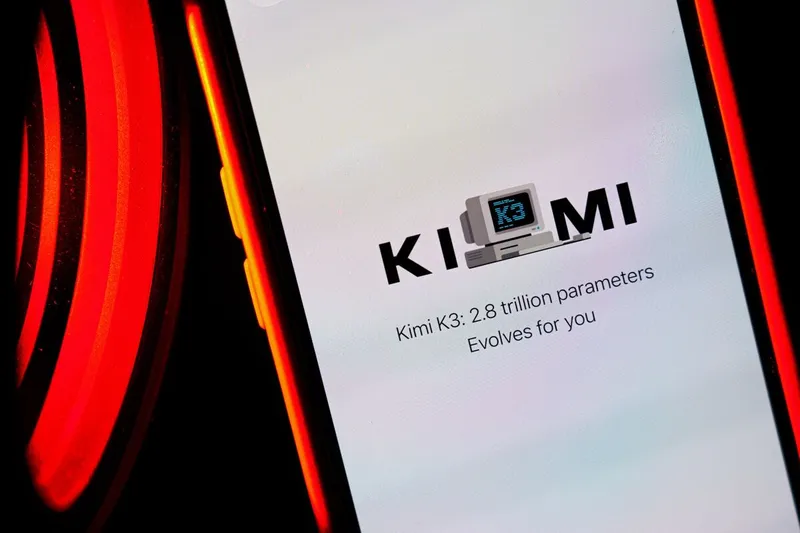
bloomberg.com
July 31, 2026
1 min read
🔥🔥🔥🔥🔥
51/100
Summary
Moonshot has secured a computing power agreement with Alibaba to utilize approximately 20,000 Nvidia chips. This partnership highlights China's dependency on Western semiconductors for its AI advancements, specifically for Moonshot's Kimi models.
Key Takeaways
- Moonshot has a computing power agreement with Alibaba for the use of approximately 20,000 Nvidia chips.
- The Nvidia chip cluster is a significant part of the computing capacity for Moonshot's Kimi models.
- Moonshot's Kimi K3 model competes closely with leading AI models from OpenAI and Anthropic on various metrics.
- The arrangement highlights China's dependence on Western semiconductors for its AI advancements.
Community Sentiment
Positives
- Moonshot's ability to train a ~3T SOTA model on just 20K GPUs shows major architectural optimizations that could disrupt the AI training landscape.
- The shift towards smaller, more efficient models is exciting — it could mean cheaper training and more versatile applications, especially in edge computing.
- Innovations in Chinese models, focusing on efficiency gains, are paving the way for breakthroughs that could challenge established giants.
- Continual learning could revolutionize AI by allowing models to adapt in real-time, making them far more useful in dynamic environments.
Concerns
- Skeptics question the validity of Moonshot's claims, suggesting the benchmark comparisons are misleading and lack context.
- Concerns about the implications of relying on a 20K NVIDIA cluster without clear long-term capacity plans raise doubts about sustainability.
- The notion that frontier labs are caught in an 'innovator's dilemma' hints at a stagnation in radical AI advancements, which could hinder future progress.