Government agencies buy commercial data about Americans in bulk

npr.org
March 26, 2026
8 min read
61/100
Summary
Data brokers collect and sell vast amounts of electronic information from apps and web browsers to advertisers and government agencies. This practice allows law enforcement to access personal data, including bulk cell phone location information, without requiring a warrant.
Key Takeaways
- The government purchases data from brokers, including bulk cell phone location data, without a warrant, raising privacy concerns.
- Congress is expected to address the data broker loophole in the upcoming reauthorization of Section 702 of the Foreign Intelligence Surveillance Act, set to expire on April 20.
- AI technology can enhance the government's ability to analyze purchased data, potentially creating comprehensive profiles of individuals' lives.
- Federal agencies, including the FBI and ICE, utilize commercially available data for surveillance, including location tracking and other personal information.
Coverage & discussions
Hacker News · npr.org
Community discussions
Community Sentiment
Concerns
- The ability to assemble comprehensive profiles from commercial data poses significant privacy risks, enabling governments to track individuals effortlessly at a massive scale.
- The collection and assembly of personal data by government agencies is inherently dangerous, as it can be used against individuals without their consent.
- The potential for creating detailed movement profiles from bulk data raises serious ethical concerns about surveillance and individual privacy.
Related Articles
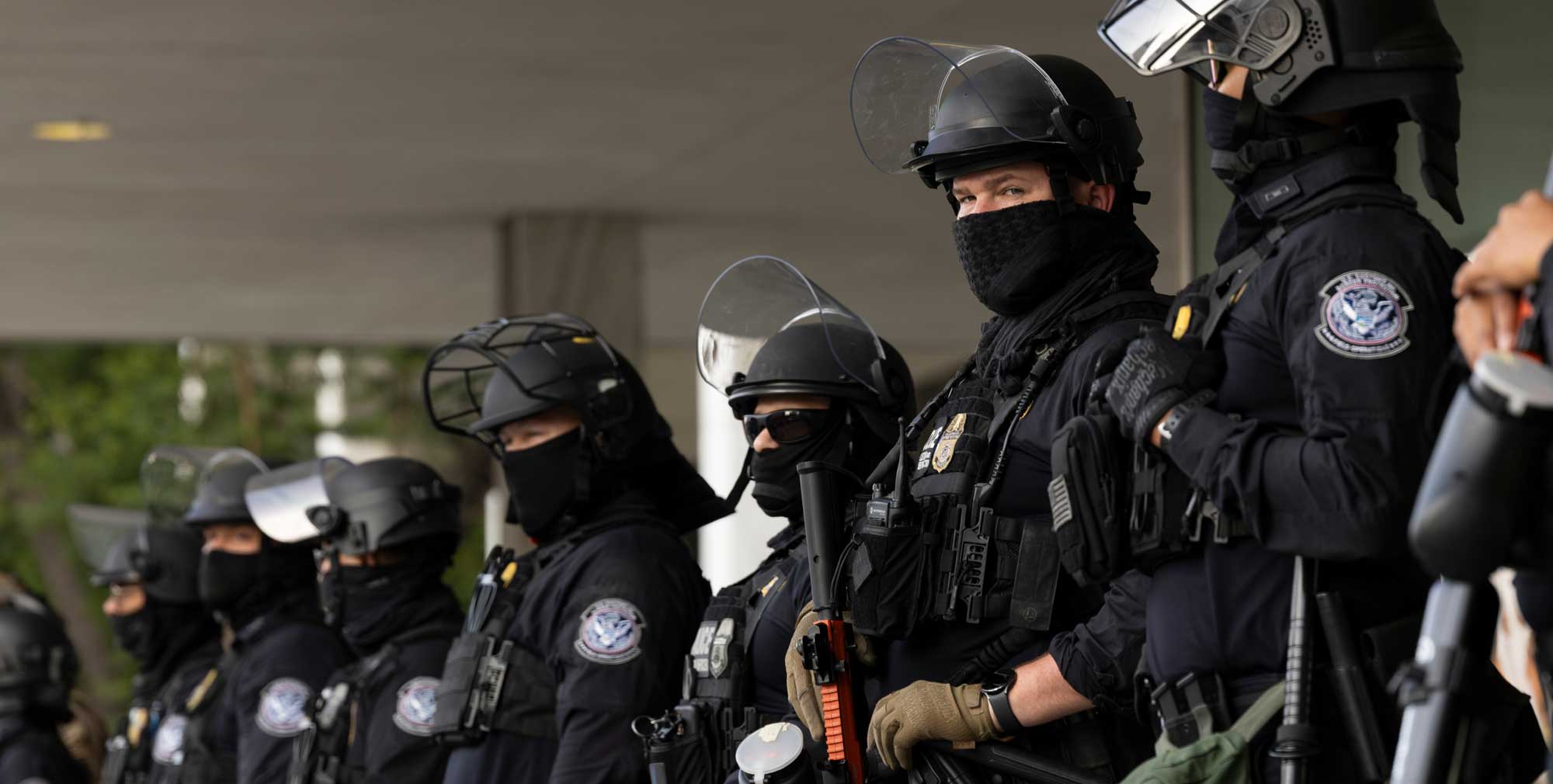
ICE knocks on ad tech's data door to see what it knows about you
Feb 9, 2026
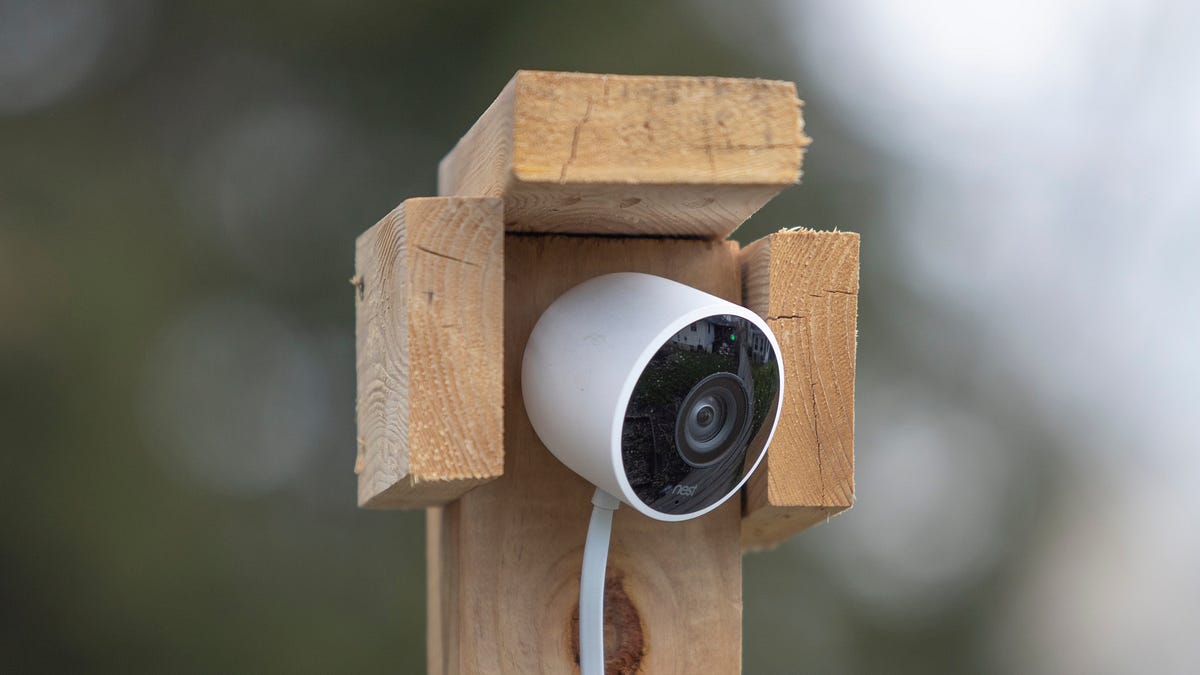
Amazon, Google Unwittingly Reveal the Severity of the U.S. Surveillance State
Feb 15, 2026

Federal Right to Privacy Act – Draft legislation
Mar 16, 2026
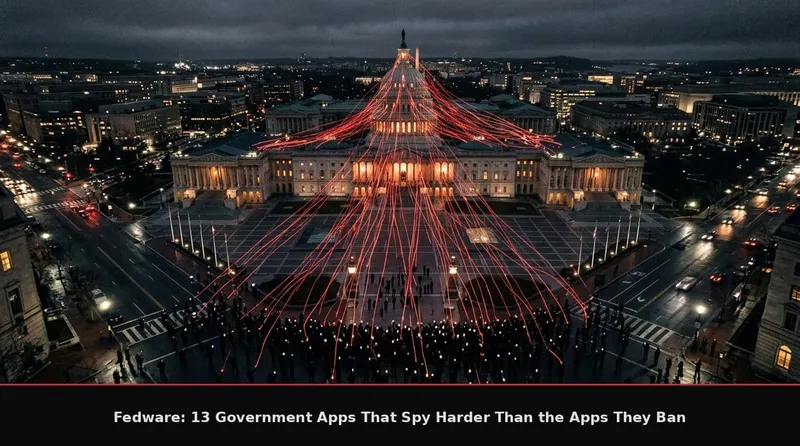
Fedware: Government apps that spy harder than the apps they ban
Mar 30, 2026
New Withings Users Must Pay $99/Year for Apple Health Syncing
Oct 15, 2026