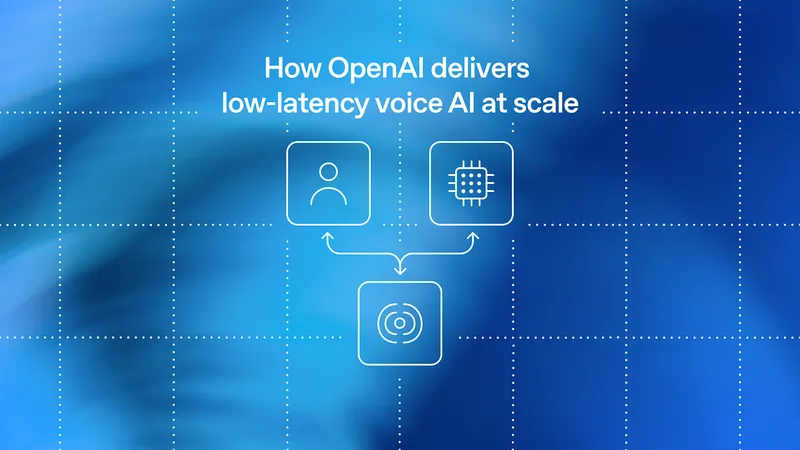
How OpenAI delivers low-latency voice AI at scale
openai.com
May 4, 2026
14 min read
🔥🔥🔥🔥🔥
67/100
Summary
OpenAI's low-latency voice AI ensures conversational interactions occur at the speed of speech, minimizing awkward pauses and interruptions. This capability benefits ChatGPT voice, developers using the Realtime API, and agents engaged in interactive workflows.
Key Takeaways
- OpenAI's voice AI system requires low-latency interactions to ensure natural conversation flow for over 900 million weekly active users.
- The WebRTC stack was rearchitected to improve connection setup, media round-trip time, and overall performance in real-time AI interactions.
- WebRTC standardizes connectivity, encryption, and codec negotiation, allowing OpenAI to focus on infrastructure rather than low-level transport issues.
- Continuous audio streaming enables spoken agents to process information in real-time, enhancing the conversational experience.
Coverage & discussions
Hacker News · openai.com
Community discussions
Community Sentiment
Positives
- OpenAI's low-latency voice AI implementation allows for real-time interactions, which can significantly enhance user experience in conversational applications.
- The use of Pion for WebRTC demonstrates OpenAI's commitment to optimizing audio streaming, potentially improving the performance of voice AI systems.
- Despite being based on older models, OpenAI's voice AI still provides valuable conversational capabilities, helping users articulate their thoughts more effectively.
Concerns
- The low latency in OpenAI's voice AI can create pressure for users to speak quickly, making conversations feel unnatural and frustrating.
- Current voice models from OpenAI are limited by their underlying architecture, which is not as advanced as newer competitors, impacting overall performance.
- Users express dissatisfaction with the voice AI's tendency to repeat itself and lack of depth compared to frontier models, indicating a need for improvement.