In the AI gold rush, tech firms are embracing 72-hour weeks

bbc.com
February 9, 2026
13 min read
🔥🔥🔥🔥🔥
46/100
Summary
Tech firms in the AI sector are adopting 72-hour workweeks to meet demand. Job advertisements promote competitive compensation and various perks while warning potential employees about the intense work expectations.
Key Takeaways
- Tech firms are adopting a 72-hour work week culture, emphasizing long hours as part of their operational model.
- Rilla, a New York-based tech company, promotes a "996" work culture, expecting employees to work from 9am to 9pm, six days a week.
- The rapid development of artificial intelligence is driving companies to prioritize speed and long working hours to stay competitive.
- The "996" work culture, originally popularized in China, has faced backlash for violating labor laws and neglecting employee wellbeing.
Coverage & discussions
Hacker News · bbc.com
Community discussions
Community Sentiment
Concerns
- The culture of demanding long hours in tech leads to burnout, which ultimately causes valuable employees to leave, harming company performance.
- Measuring performance by hours spent in the office is misguided; productivity should be evaluated based on results, not time.
- Overworking employees results in diminishing returns, where the mistakes made due to exhaustion outweigh any productivity gains.
- The trend of long work hours in tech is indicative of a deeper issue, as companies that embrace this culture tend to underperform.
Related Articles

Tech leaders say AI means less work – staff say they work up to 90 hours a week
Aug 10, 2026

The human cost of 10x: How AI is physically breaking senior engineers
Apr 13, 2026

I work in Hollywood. Everyone who used to make TV is now training AI
May 11, 2026

Young People Hate AI CEOs So Passionately That It's Almost Hard to Believe
Aug 16, 2026
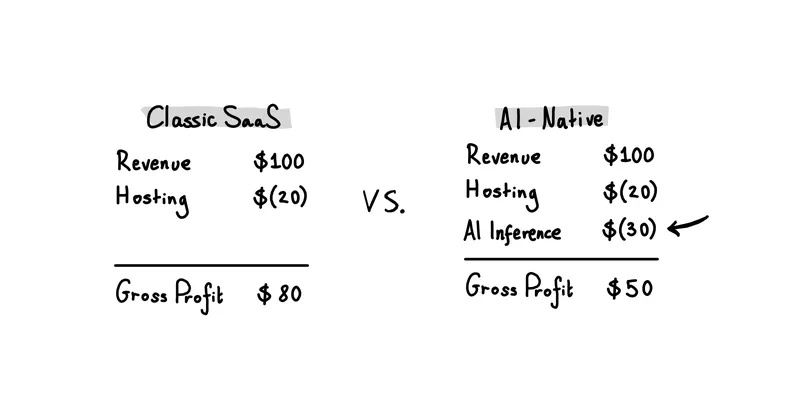
Something is changing in the unit economics of software
Aug 5, 2026