Something is changing in the unit economics of software
nicolo.xyz
August 5, 2026
6 min read
🔥🔥🔥🔥🔥
47/100
Summary
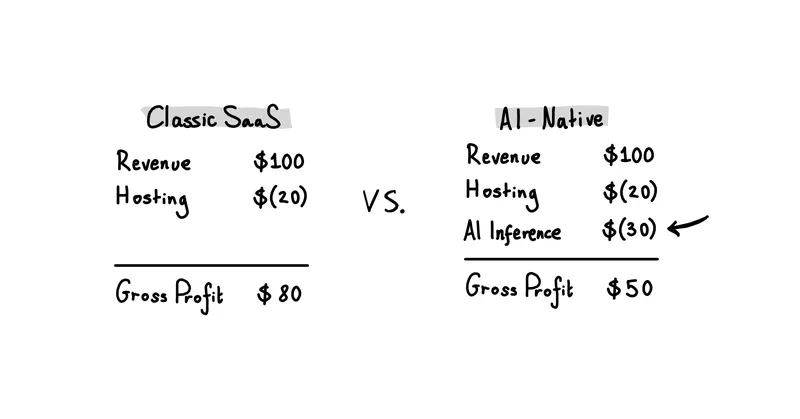
Software traditionally allowed for high gross margins of 75-85%, enabling cost-effective distribution to millions of users after initial development. This model made aggressive customer acquisition financially viable, as the cost of servicing each additional customer was minimal.
Key Takeaways
- Software historically had gross margins of 75-85%, allowing aggressive customer acquisition strategies due to low incremental costs for serving additional users.
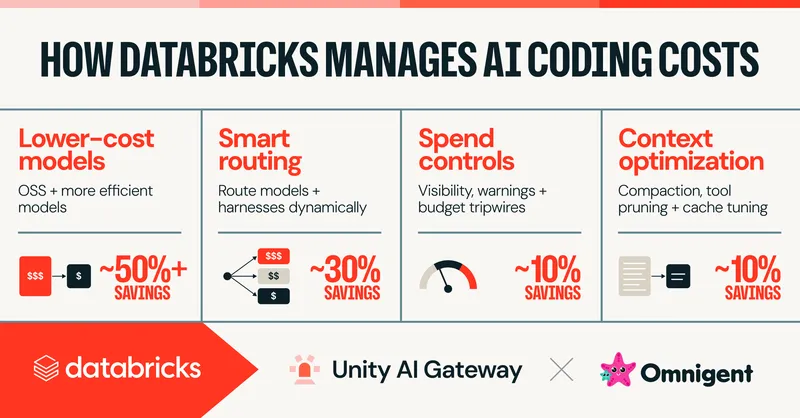
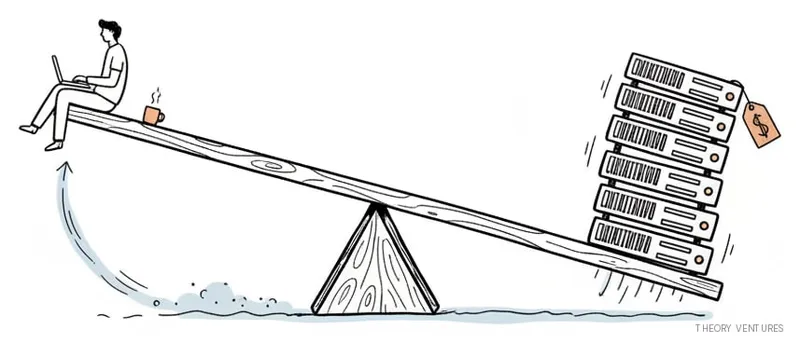
- The rise of AI introduces significant costs associated with LLM calls, eroding the traditional software distribution superpower and creating a direct per-unit cost for user interactions.
- A tradeoff now exists between product quality and margin, as using cheaper models can protect margins but risk losing users to competitors with better experiences.
- Average gross margins for AI products are projected to be around 52% by 2026, significantly lower than traditional SaaS margins, impacting customer acquisition strategies.
Community Sentiment
Positives
- The cost of AI inference has dramatically dropped, making it cheaper than ever for companies to leverage advanced models without breaking the bank.
- The idea that running inference will soon resemble app hosting costs is exciting — it's a sign that AI is becoming more accessible and integrated into everyday tools.
- There's a growing belief that smaller, specialized models could pave the way for efficient on-device AI, potentially shifting how we interact with technology.
Concerns
- Many commenters are skeptical about the claim that inference costs will drop 'very fast' — they argue we're still stuck with high costs and inefficiencies.
- The notion that companies will simply replace SaaS with custom-built tools overlooks the complexity and costs of development, hosting, and maintenance.
- Despite the optimism about falling costs, there are concerns that as AI becomes cheaper, users will just find more ways to use it, not necessarily reduce spending.