It Will Never Be the Year of the Linux Desktop
unix.foo
May 29, 2026
9 min read
🔥🔥🔥🔥🔥
45/100
Summary
The Linux desktop has consistently failed to gain mainstream adoption due to issues such as limited driver support, lack of popular software like Adobe and Microsoft Office, gaming compatibility, and poor battery management. Despite annual claims that it will become popular, these challenges persist, preventing a significant shift in the desktop landscape.
Key Takeaways
- The Linux desktop will not become mainstream due to persistent issues such as driver support, software availability, and battery life.
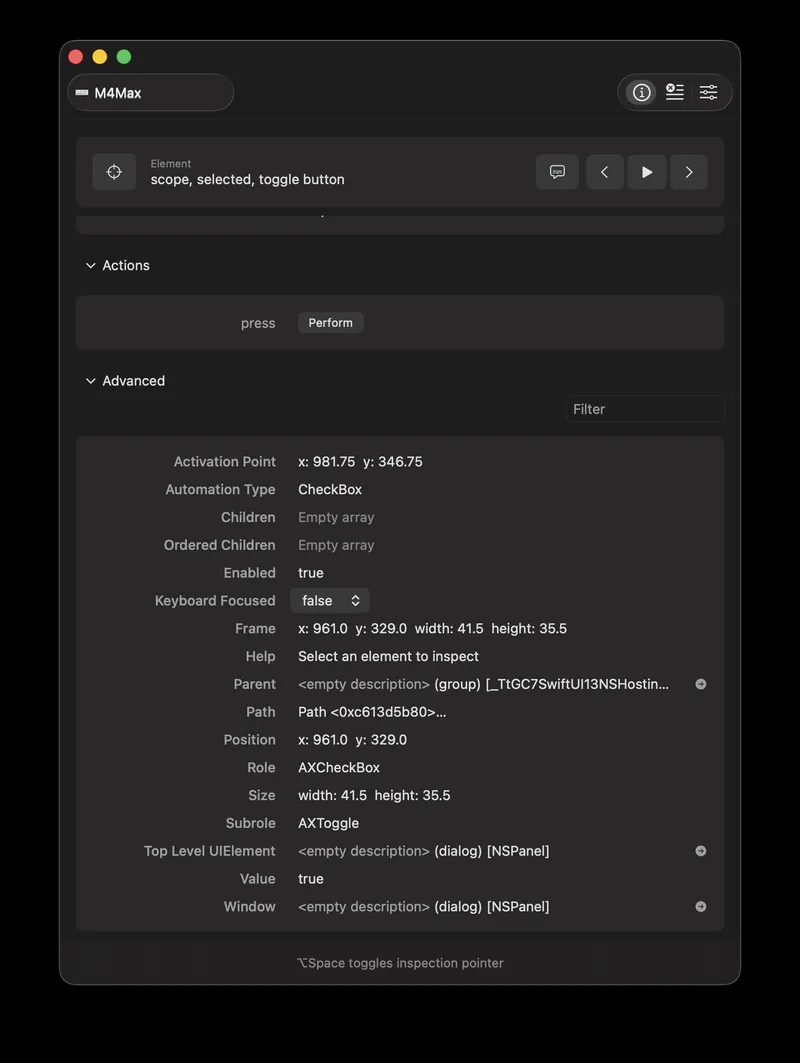
- The future of desktop computing is shifting towards non-human users, particularly AI agents that require accessibility APIs to interact with systems.
- Apple's macOS excels in accessibility for AI agents because it provides high-fidelity accessibility by default, unlike other operating systems.
- OpenAI acquired Software Applications Incorporated to enhance Codex's capabilities on macOS, leveraging the company's expertise in accessibility.
Coverage & discussions
Hacker News · unix.foo
Community discussions
Community Sentiment
Positives
- Linux offers unparalleled freedom and control for users, making it a personal choice that can be empowering regardless of market share.
- The effectiveness of various window managers in Linux reflects its adaptability to different user needs, contrasting with the rigid design of macOS.
- The ongoing development of tools like Valve's Proton enhances the Linux experience for gamers, making it a viable option for daily use.
- The idea that every year can be the 'Year of the Linux Desktop' emphasizes personal journeys in technology adoption, highlighting individual empowerment.
Concerns
- The desktop environment's relevance is diminishing as most work shifts to the web, suggesting that the concept of a 'Linux desktop' may be obsolete.
- The dominance of proprietary LLMs and their high costs create barriers for Linux users, limiting access to advanced AI tools and models.
- Accessibility regressions in macOS highlight the shortcomings of mainstream operating systems, but they also underscore the need for better solutions in Linux.