Kimi-K3 Releases on HuggingFace 7/27
huggingface.co
July 27, 2026
1 min read
🔥🔥🔥🔥🔥
78/100
Summary
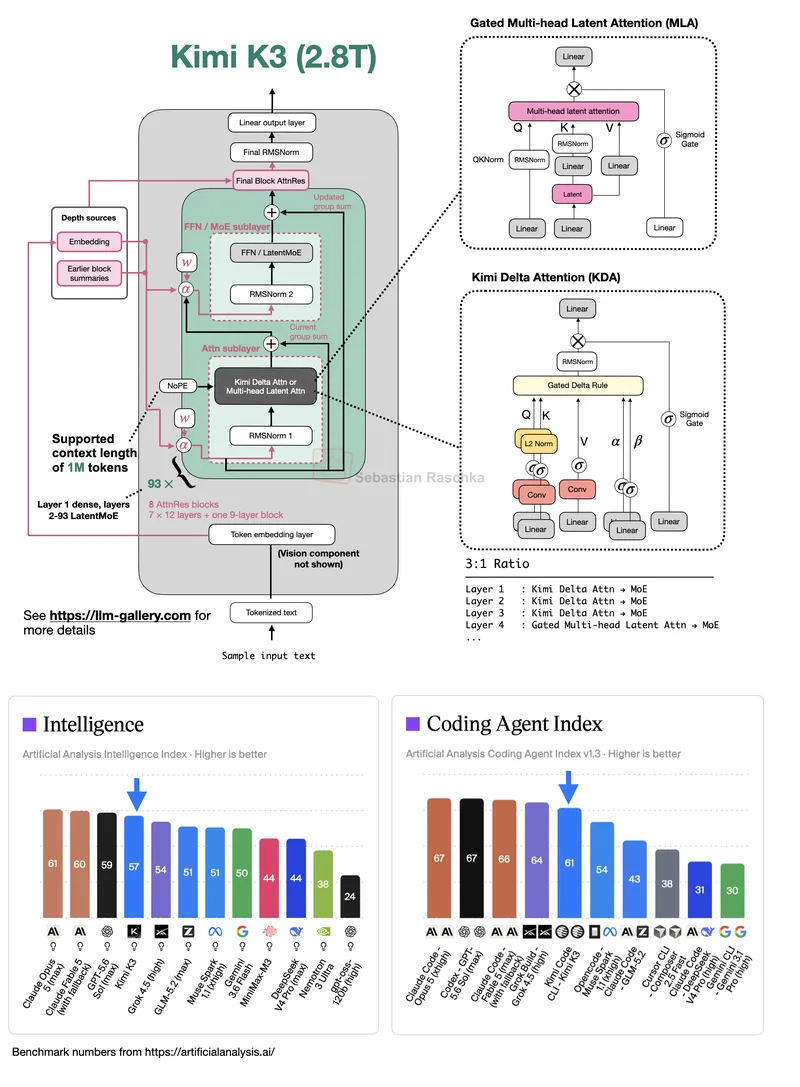
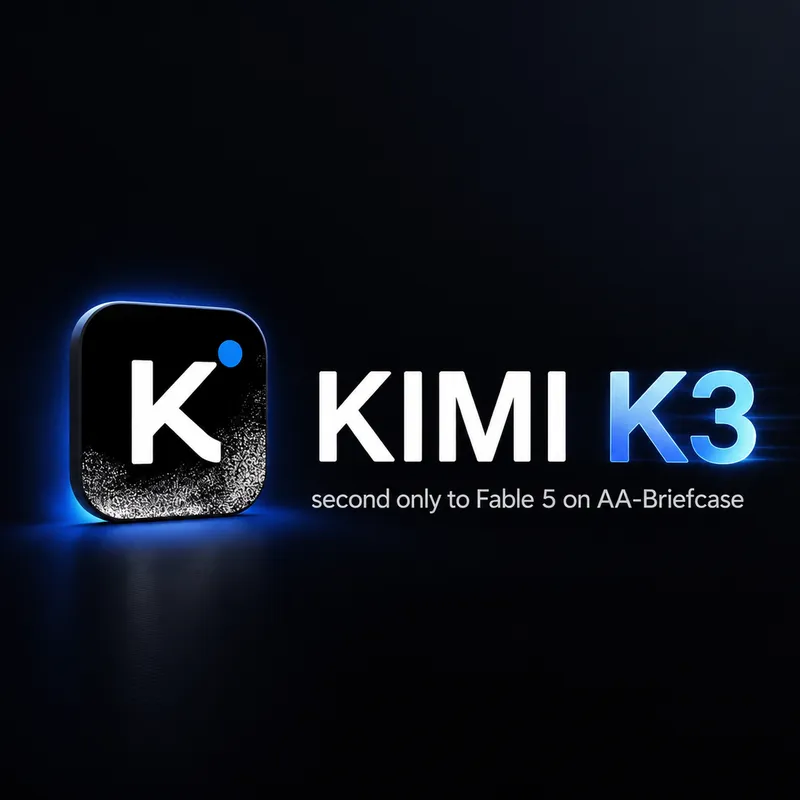
Kimi-K3 is the latest model from Moonshot AI, set for release on July 27, 2026. It is the world's first open 3T-class model, featuring a new architecture based on Kimi Delta Attention and Attention Residuals, with native agentic capabilities including tool calling, browsing, and multi-step reasoning.
Key Takeaways
- Kimi-K3 is the world's first open 3T-class model from Moonshot AI, designed for frontier intelligence in coding, knowledge work, and reasoning.
- The model features a new architecture based on Kimi Delta Attention and Attention Residuals, along with native agentic capabilities for tool calling, browsing, and multi-step planning.
- Kimi-K3 includes an extended context window for repository-scale code understanding and will have open weights available upon release.
- The expected release date for Kimi-K3 is July 27, 2026, with 2,833 users currently waiting for the release.
Coverage & discussions
Hacker News · huggingface.co
Community discussions
Community Sentiment
Positives
- There's potential for significant cost savings in hosting 3T models, which could disrupt current pricing models for API tokens — if the market plays out right.
- The ongoing competition among providers has already driven prices down for models like GLM 5.2, and this trend seems poised to continue, making AI more accessible.
- The excitement around optimizing inference engines for large models suggests that we're on the brink of breakthroughs that could make powerful AI tools more practical for everyday users.
Concerns
- It's frustrating how the hardware landscape for running LLMs is not built for individuals; the current offerings feel like a barrier to entry for many would-be users.
- Concerns about the actual costs of running models are valid; many commenters doubt that inference providers will sell tokens at reasonable prices, suggesting a lack of transparency.
- The 'democratization' of AI feels disingenuous when major players release closed models and make it harder to run open-source alternatives — it’s like they’re pulling the rug out from under us.