Mesh LLM: distributed AI computing on iroh

iroh.computer
July 11, 2026
5 min read
🔥🔥🔥🔥🔥
63/100
Summary
Mesh LLM enables distributed AI computing on the iroh platform, allowing teams to run large language models without relying on centralized data centers. This setup provides greater control over model updates, data privacy, and operational costs.
Key Takeaways
- Mesh LLM allows users to pool existing GPUs and memory across multiple machines, presenting them as a single OpenAI-compatible API.
- The architecture supports running large models without needing to purchase larger GPUs by distributing compute tasks across a mesh of endpoints.
- Mesh LLM can execute requests locally, route them to a peer, or split models across several machines, enabling efficient resource utilization.
- The system operates without a central server, utilizing iroh for direct, authenticated connections between nodes, ensuring reliable communication across the network.
Coverage & discussions
Hacker News · iroh.computer
Community discussions
Community Sentiment
Positives
- The Mesh LLM's ability to split large models across nodes is a game-changer for leveraging existing hardware and democratizing access to powerful AI.
- Comments highlight the impressive potential of bringing together diverse hardware setups, showcasing innovation in distributed AI computing.
- The performance of Qwen 235B A22B at 16 tokens per second across two nodes is noted as a respectable speed for a split model, indicating that there is viable performance in this approach.
Concerns
- Skeptics point out that distributed computing over consumer networks is painfully slow compared to local RAM and disks, raising concerns about usability for interactive applications.
- There’s a notable lack of performance information shared about Mesh LLM, leaving users guessing about its efficiency compared to other methods.
- Concerns about security and encryption in a public mesh setup are voiced, as users wonder about the risks of accepting inputs from anyone.
Related Articles

Darkbloom – Private inference on idle Macs
Apr 16, 2026
AirLLM 70B inference with single 4GB GPU
Aug 3, 2026

A 10 year old Xeon is all you need
Jun 1, 2026
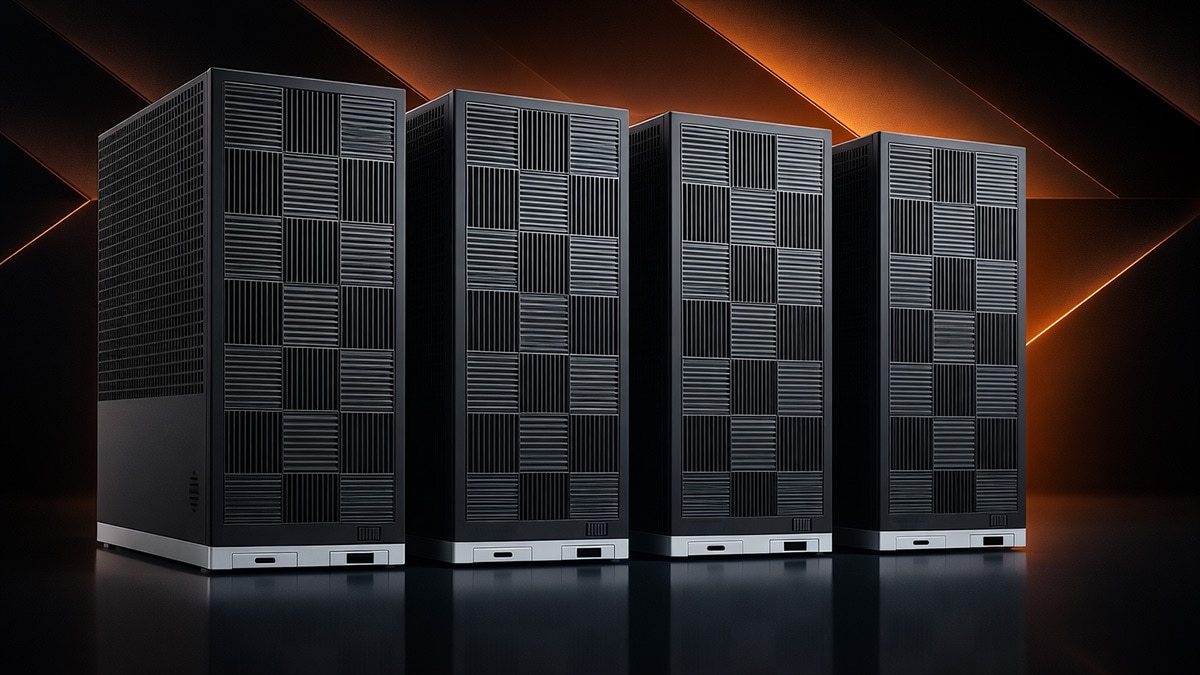
Running a One Trillion-Parameter LLM Locally on AMD Ryzen AI Max+ Cluster
Mar 1, 2026

Apple ML Research: Muse Spark Open with MLX on Mac Studio
Oct 16, 2026