A 10 year old Xeon is all you need

point.free
June 1, 2026
15 min read
🔥🔥🔥🔥🔥
71/100
Summary
Gemma 4’s MTP drafters can be quantized and verified on older hardware, specifically a recycled server with 128 GB of DDR3 RAM and an Intel Xeon E5-2620 v4 CPU from 2016. Despite the server's lower performance compared to modern laptops, it is capable of running complex AI tasks.
Key Takeaways
- The Intel Xeon E5-2620 v4 from 2016, despite being slower than modern CPUs, can still run large language models (LLMs) effectively with the right optimizations.
- Memory bandwidth is the primary limitation for LLM inference, rather than raw processing power, making it crucial to optimize data transfer from RAM to CPU cache.
- Speculative decoding techniques can significantly improve performance on older hardware by allowing the model to generate multiple tokens simultaneously.
- The lack of a GPU and reliance on DDR3 RAM can lead to slow performance unless specific optimizations are applied to the software being used.
Community Sentiment
Positives
- Running advanced AI models like Gemma 4 on older hardware demonstrates the potential for local AI applications, making powerful tools accessible without needing cutting-edge infrastructure.
- The ability to run AI models locally on consumer-grade hardware signifies a shift towards democratization, allowing more users to experiment with AI without relying on cloud services.
- Impressive performance from older Xeon servers indicates that efficiency and cost-effectiveness can still be achieved in AI, especially for smaller, specialized tasks.
- The progress in local AI capabilities suggests exciting possibilities for future applications, as advancements in hardware continue to lower barriers for individual users.
Concerns
- Concerns about the energy efficiency of older servers highlight the trade-offs between running powerful AI models locally and the potential high operational costs.
- The complexity of maintaining local AI setups can deter average users, suggesting that while local models are advancing, accessibility remains an issue for non-technical individuals.
- The lack of a technological moat in AI model businesses raises questions about the sustainability of current advancements, as short-term advantages may not lead to long-term success.
Related Articles
Running Gemma 4 26B at 5 tokens/sec on a 13-year-old Xeon with no GPU
Jul 15, 2026

Qwen 3.8 27B is excellent, but it defaults to overthinking things
Aug 16, 2026
Qwen 3.6 27B is the sweet spot for local development
Jun 29, 2026
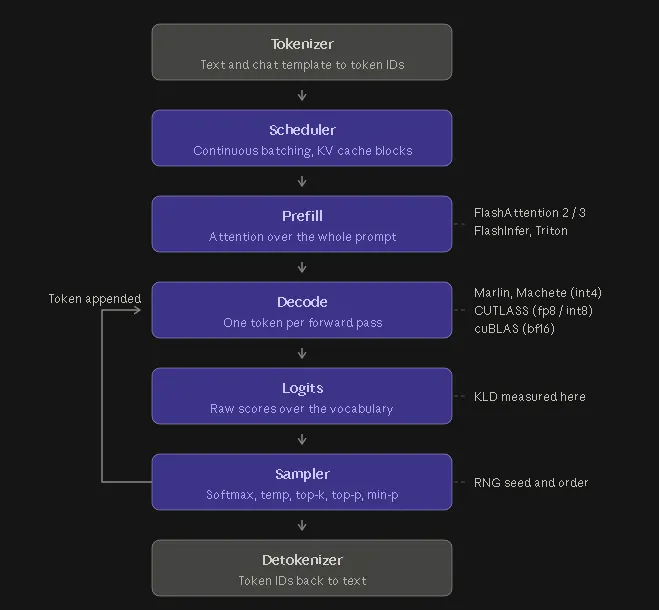
Why your local LLM feels dumber than it is
Aug 22, 2026
Local Qwen isn't a worse Opus, it's a different tool
Jun 18, 2026