Report · kotaku.com
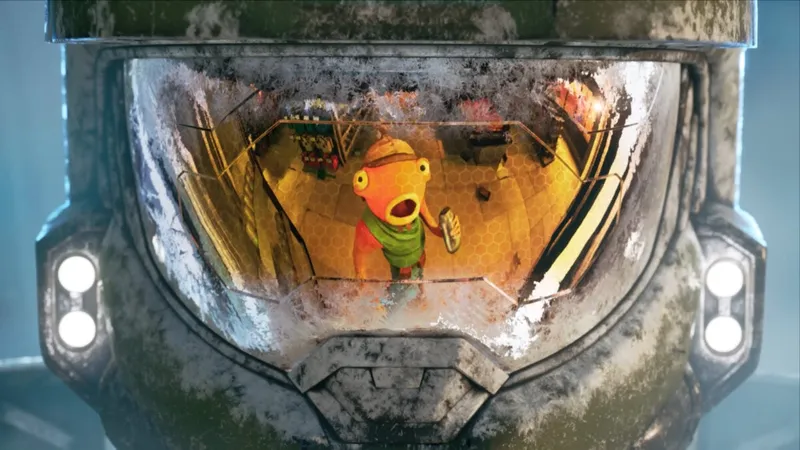
Microsoft and Epic Games Suddenly Agree That AI Is Theft
kotaku.com
Source published October 28, 2026
Summary: 2 min read
46/100
Summary
Microsoft and Epic Games have issued DMCA takedown notices against AI-assisted browser ports and recreations of their games while also investing in or using generative AI tools. Epic issued a DMCA notice against a browser-based Fortnite recreation on October 10, 2026. Microsoft issued multiple notices during the preceding month involving browser ports related to Minecraft, Call of Duty, and Halo. GitHub’s DMCA logs also recorded recent takedowns involving open-sourced versions of Slay the Spire 2, Celeste, and RimWorld. Epic is developing an upcoming Disney/Marvel game with Anthropic’s Claude, according to Bloomberg. Anthropic agreed in September 2025 to pay $1.5 billion over claims involving illegally obtained BitTorrent data; the company was required to delete the data but was not required to delete or retrain models built with it. Epic’s terms prohibit using code or content extracted from its licensed products as training input for generative AI programs. Microsoft has committed $80 billion annually to AI data centers, while Activision used AI-generated artwork in Call of Duty: Black Ops 6 and Black Ops 7. Epic CEO Tim Sweeney said on October 27 that Epic does not permit uncompensated use of Fortnite intellectual property and restricts AI training on Unreal Engine and MetaHuman outputs, though Epic is working to remove the latter restriction from its EULA. Sweeney said Anthropic’s torrenting was found infringing, while model training itself was found to be fair use in that case.
Key Takeaways
- Epic Games issued a DMCA notice against a browser-based Fortnite recreation on October 10, 2026, and Microsoft sent multiple notices involving browser ports related to Minecraft, Call of Duty, and Halo.
- Epic’s terms of service prohibit using extracted code or content from its licensed products to train generative AI programs.
- Bloomberg reported that Epic’s upcoming Disney/Marvel game will use Anthropic’s Claude; Anthropic’s 2025 settlement required deletion of illegally obtained training data but did not require it to delete or retrain its models.
- Microsoft has committed $80 billion per year to AI data centers, and Activision used AI-generated in-game artwork in Call of Duty: Black Ops 6 and Black Ops 7.
- Tim Sweeney said Epic does not allow uncompensated use of Fortnite IP and is working to remove restrictions on AI training from Unreal Engine and MetaHuman EULA terms.
What the discussion said
Commenters mostly rejected the headline’s claim that Microsoft and Epic had abruptly turned against AI. Their reading was narrower: an AI-built game that recreates a protected franchise is still an unauthorized commercial copy, and the infringement would not become acceptable merely because a model, rather than a conventional team, produced it. Several readers treated this as ordinary copyright enforcement, especially where a clone is published and marketed rather than privately reverse-engineered or used for interoperability. The harder argument was the asymmetry. Skeptics said large firms eagerly train on the public’s games, code, and creative work, then invoke copyright when AI makes their own products easier to imitate. In that view, legal doctrine follows whoever can afford litigation, not a coherent principle about machine learning or creativity. Others focused less on ownership and more on marketplace consequences: AI can make solo game development dramatically more capable, but it also lowers the cost of flooding storefronts with disposable clones. That produced a reluctant case for stronger platform gatekeeping, countered by concern that expensive publication barriers would punish smaller developers and people outside wealthy markets. The thread therefore saw real value in AI-assisted creation, while doubting that incumbent companies can police AI copying without protecting their own monopolies.
Where opinion split
The central fight is whether this is principled anti-infringement enforcement or incumbent hypocrisy about AI. One side argues that publishing a recognizable clone of a protected game is illegal regardless of the tool used; the other argues that generative AI itself depends on absorbing prior work, so corporations cannot credibly condemn replication while benefiting from training on everyone else’s creations.
Coverage & discussions
Hacker News · kotaku.com
Community discussions
Reported comments: 2 · 1 saved in sample
Too few usable comments or discussion unavailable
Community Sentiment
Positives
- AI-assisted development is already giving small game creators practical leverage, making ambitious work more feasible for individuals without a large studio behind them.
- Blocking AI-made franchise clones could curb the flood of low-effort imitation games that makes legitimate discovery on digital storefronts harder.
- The distinction between creating novel work with AI and distributing a near-substitute for an existing copyrighted game gives developers a more workable boundary than treating all AI output as theft.
Concerns
- Large AI firms look opportunistic when they defend broad ingestion of others’ work for training but demand strict copyright protection once models can imitate their own valuable franchises.
- Cheaper generative tools lower the barrier to mass-producing derivative game clones, threatening to bury distinctive indie projects under disposable marketplace sludge.
- Copyright outcomes may hinge less on a consistent rule for AI than on whether the targeted creator can survive the legal costs imposed by billion-dollar rights holders.
- Aggressive storefront fees or entry barriers meant to filter AI slop could also lock out small developers, particularly those working outside high-income markets.
Related Articles
Anthropic takes steps to block Claude from reverse-engineering video games
Oct 31, 2026
Anthropic's Claude AI blocks video game cloning and reverse-engineering
Oct 31, 2026
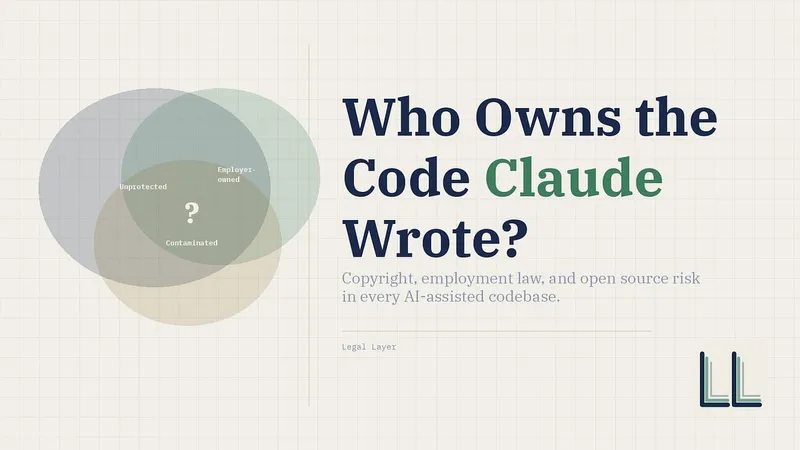
Who owns the code Claude Code wrote?
Apr 28, 2026

The L in "LLM" Stands for Lying
Mar 5, 2026
"Cancel ChatGPT" movement goes mainstream after OpenAI closes deal with U.S. Dow
Feb 28, 2026