Quality non-fiction books are the antithesis of AI slop
resobscura.substack.com
July 22, 2026
10 min read
🔥🔥🔥🔥🔥
67/100
Summary
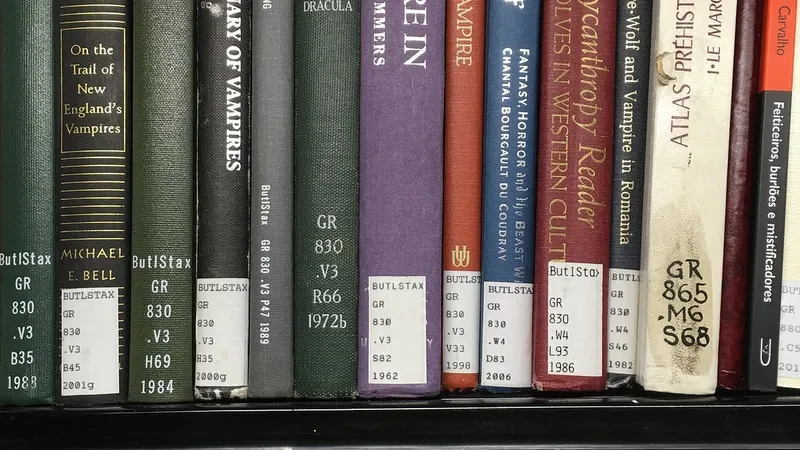
A tool has been developed to help users find quality non-fiction books, contrasting them with inferior AI-generated content. The creator reflects on the significant intellectual experience gained from a college job shelving books in a library.
Key Takeaways
- Quality non-fiction books are increasingly rare and often overlooked in the current media landscape dominated by AI and podcasts.
- The author created a free platform using AI to help users search for high-quality non-fiction books, focusing on those that have won or been shortlisted for major non-fiction prizes.
- The decline of traditional libraries has led to a loss of browsable open stacks, with many older books being discarded in favor of digital editions and social spaces.
- The author believes that the current era represents a golden age for non-fiction books, despite a general decline in readership.
Coverage & discussions
Hacker News · resobscura.substack.com
Community discussions
Community Sentiment
Positives
- The noticeable difference in quality between human-written and AI-generated prose highlights the irreplaceable value of skilled copywriters, especially as AI struggles to produce consistently high-quality writing.
- Some commenters find Google's Gemma 4 models outperforming ChatGPT and Claude, suggesting that nuanced regional preferences could enhance AI's writing capabilities.
Concerns
- LLMs are astoundingly bad at writing good prose, often producing mediocre content that fails to meet quality standards, revealing a critical limitation in their capabilities.
- Despite extensive prompting, AI tools like Claude Fable completely miss the mark on creating readable original content, showcasing the depth of the challenge in achieving human-like writing.