Self-hosting Kimi K3: 20% more hardware cost, 20% better task resolution
aistack.imec-int.com
July 29, 2026
25 min read
🔥🔥🔥🔥🔥
55/100
Summary
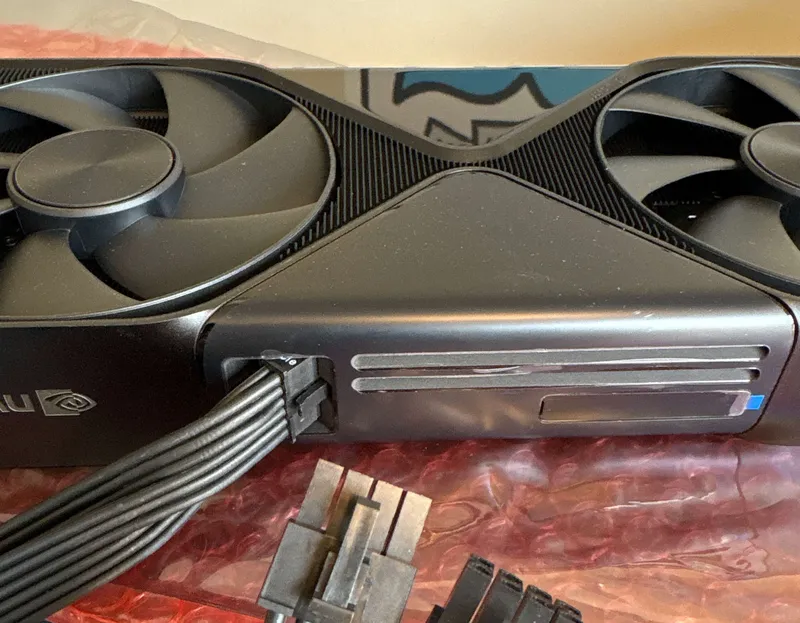
Kimi K3 requires an 8ÃB300 node with 288GB of HBM per GPU due to its 1.4TB weight, exceeding the memory capacity of the 8ÃB200 node. This configuration results in approximately 20% higher hardware costs while supporting 16 concurrent sessions.
Key Takeaways
- Kimi K3 requires an 8ÃB300 node with 288GB of HBM per GPU due to its 1.4TB weight, resulting in approximately 20% higher hardware costs compared to the 8ÃB200 setup.
- K3 achieves an 86.4% task resolution rate, outperforming GLM-5.2 and Opus 4.8 by 24 percentage points, despite being roughly 8 times slower than the Claude Code baseline.
- The median employee spends about $140 per year on AI API usage, but the 90th percentile approaches $7,300 and the 99th percentile nears $90,000 annually.
- Over 70% of annual recurring revenue across major model providers comes from coding use cases, leading to increased token bills as organizations adopt AI coding agents.
Coverage & discussions
Hacker News · aistack.imec-int.com
Community discussions
Community Sentiment
Positives
- Gemma-4-26b-a4b is surprisingly capable for practical tasks, making it a go-to for users looking for high-quality responses without the need for extensive coding.
- The Kimi K3 model shows a significant improvement in task resolution, boasting an 86% resolve rate, which is a notable leap from previous models like GLM-5.2.
- Self-hosting models like Kimi K3 provides unique advantages that transcend mere performance metrics, suggesting a shift towards more personalized AI solutions.
Concerns
- The 20% increase in hardware costs for Kimi K3 is a major concern, signaling that self-hosting might soon be out of reach for individual users.
- With Kimi K3's lower concurrency and slower performance metrics, there's skepticism about whether the quality improvements are worth the trade-offs in speed and accessibility.
- Commenters worry that the rising costs of AI hardware could lead to a future where only corporations can afford to run cutting-edge models, leaving individuals behind.