Servus München: Waymo Is Coming to Germany
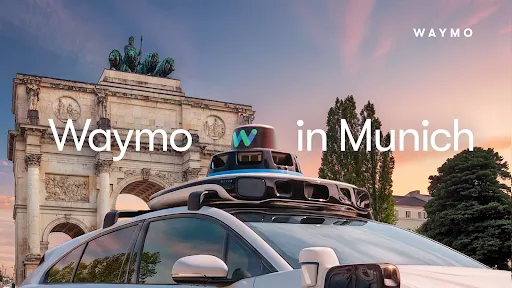
waymo.com
August 25, 2026
8 min read
45/100
Summary
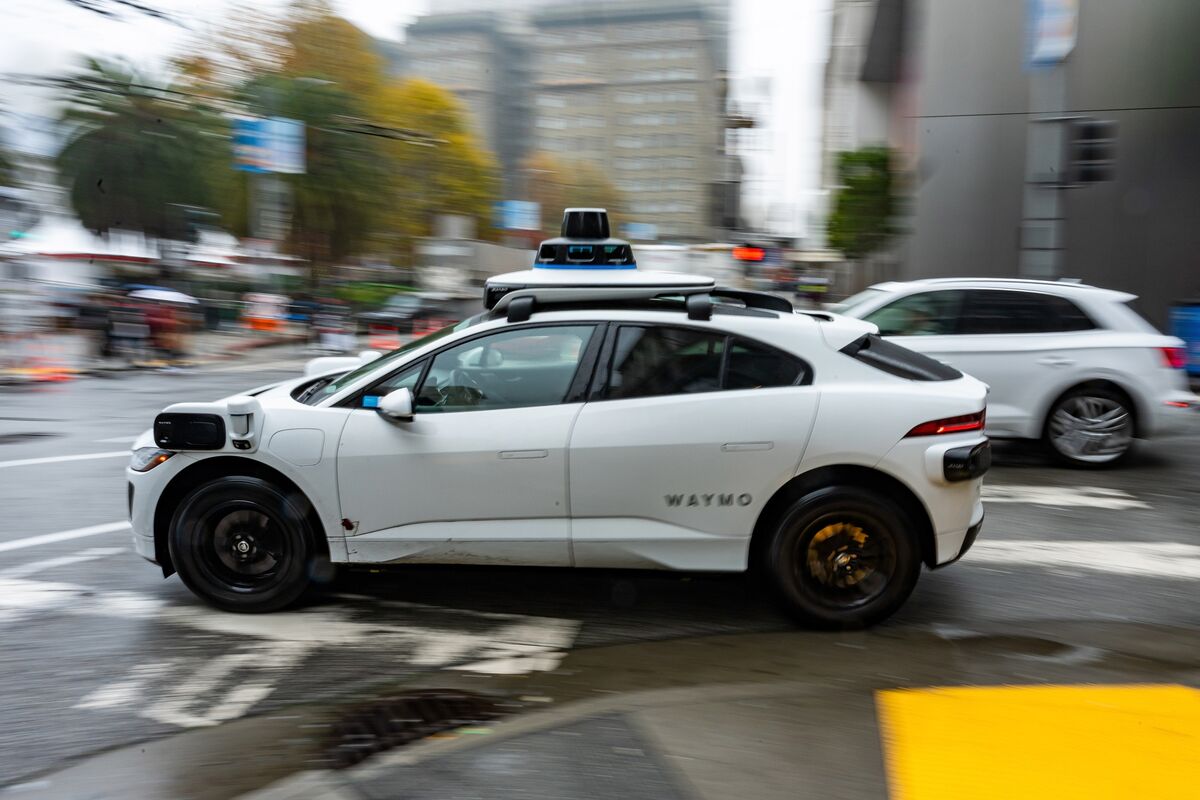
Waymo is preparing to launch a fully autonomous ride-hailing service in Munich, marking the company’s planned entry into Germany. In the coming weeks, Waymo vehicles will begin manually driving on Munich streets to create high-definition maps and test the Waymo Driver with trained autonomous-vehicle specialists behind the wheel. Waymo aims to make commercial rides available to the public toward the end of 2027, subject to regulatory approvals. Waymo says it has completed more than 20 million trips and serves hundreds of thousands of commercial rides each week. The company is engaging local, Bavarian and federal authorities on the approvals required for German operations, and says it plans to invest in local fleet operations and high-skilled jobs. Christian Hirte, parliamentary state secretary in Germany’s Federal Ministry of Transport, said Germany has established a legal framework for autonomous driving and that Waymo is planning the country’s first regular commercial autonomous-vehicle operation. Waymo says data from more than 350 million fully autonomous kilometres shows 16 times fewer crashes involving serious injuries than human drivers, 14 times fewer pedestrian crashes involving injuries, and six times fewer cyclist crashes involving injuries. Bavarian officials said they intend to reduce bureaucracy and regulatory barriers to accelerate deployment.
Key Takeaways
- Waymo plans to open a fully autonomous ride-hailing service in Munich toward the end of 2027, pending regulatory approvals.
- Waymo vehicles will initially be driven manually in Munich for high-definition mapping and testing with trained autonomous-vehicle specialists behind the wheel.
- Waymo says it has completed more than 20 million trips and operates hundreds of thousands of commercial rides each week.
- Waymo says its data covering more than 350 million fully autonomous kilometres shows 16 times fewer serious-injury crashes than human drivers.
- Germany’s Federal Ministry of Transport says Waymo is planning the first regular commercial operation of autonomous vehicles in the German market.
What the discussion said
Commenters treated Munich less as a triumphant expansion headline than as a hard real-world test for robotaxis. Several readers think the city is a credible launch market: it has broad roads, affluent riders, and enough appetite for door-to-door service that Uber already coexists with strong transit. On that view, Waymo is not trying to replace trains or subways; it is targeting the trips where people pay for convenience, and its willingness to enter such a transit-rich city signals confidence in its autonomous-driving lead. Some are eager simply to finally experience the service, while the reported phased rollout, beginning with manual driving and high-definition mapping, reads as appropriately cautious. The pushback is concrete rather than ideological. Skeptics doubt autonomous fleets reduce congestion when they add vehicles to already crowded streets, especially before most road users can coordinate with one another. Bay Area experience also colors the debate: commenters have seen robotaxis hesitate, get stuck, and make maneuvers that feel uncomfortably close, arguing that these remain limited systems rather than fully capable Level 5 drivers. The practical consensus is that Munich may be a useful beta site, but safety behavior and net traffic impact matter far more than futuristic mobility promises.
Where opinion split
The sharp disagreement is whether robotaxis will ease Munich's mobility problems or worsen them. Supporters argue that autonomous coordination and premium last-mile rides can complement public transport; critics argue that more vehicles cannot cure traffic, particularly when the cars still struggle around unpredictable human road users.
Community Sentiment
Positives
- Waymo entering a city with excellent public transport looks like a confidence play: robotaxis can win the expensive, inconvenient trips transit never serves well.
- Munich's wide roads, affluent customer base, and established demand for ride-hailing make it a plausible proving ground for autonomous service.
- The map-first, manually driven rollout is seen as a disciplined way to build local operating knowledge before exposing riders to a full robotaxi service.
Concerns
- Claims that AI vehicle coordination will cut congestion drew skepticism because a new autonomous fleet may simply add more cars to Munich's already saturated roads.
- Reports from the Bay Area portray robotaxis as prone to awkward close calls and immobilizing confusion, undermining confidence in their safety around messy human traffic.
- Critics reject treating current systems as fully autonomous drivers: getting stuck in edge cases is precisely the limitation municipalities must plan around.
Related Articles

Waymo in Portland
Apr 28, 2026
Hello Toronto – Waymo Is En Route
Oct 16, 2026
Waymo says can't avoid bike lanes because riders want to be dropped off in them
Apr 26, 2026
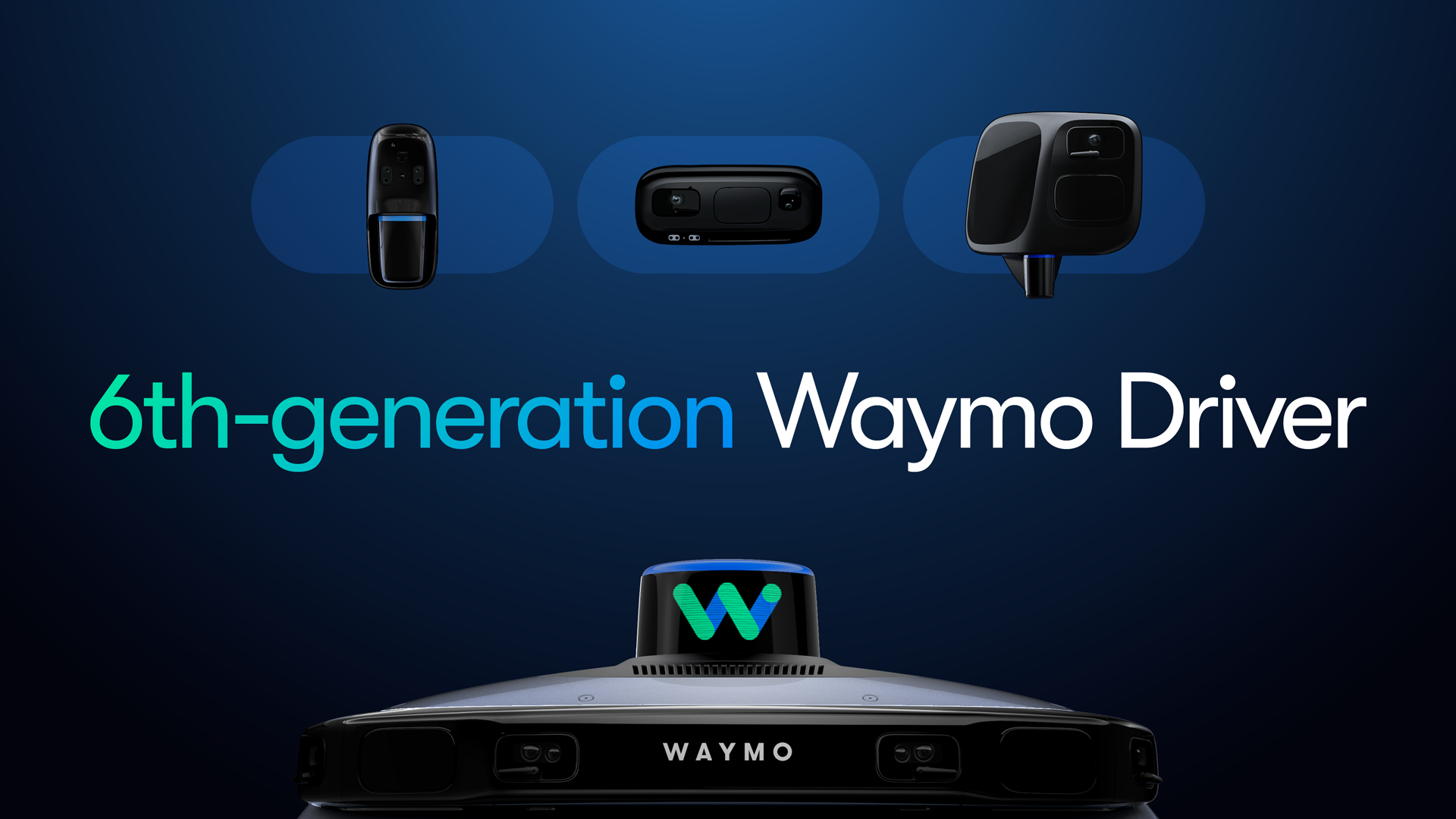
Beginning fully autonomous operations with the 6th-generation Waymo driver
Feb 12, 2026
Waymo seeking about $16B near $110B valuation
Feb 2, 2026