The Harness Is the Thing

scott-fryxell.github.io
August 26, 2026
8 min read
58/100
Summary
Scott Fryxell describes an AI coding harness that lets Cursor, Claude, and Pi share instructions, skills, and an AGENTS.md file across terminal-based interfaces. He argues that this shared operating environment matters more than any individual model and says it has reduced his concern about switching from Cursor to Codex. His current setup uses two $20 subscriptions, Cursor and Claude, with Pi added for other models. Fryxell uses DeepSeek-V4-Flash-0731 for maintenance and simpler work, reserving frontier models and Anthropic API budget for complex features, refactors, and promotion tasks. His workflow separates work into explorer, planner, worker, critic, and promoter roles. Planning produces an explicit directed acyclic graph of tasks; a worker implements nodes, a critic reviews and may send work back for revision, and a promoter prepares communications about completed work. He says this cut his use of Fable by 75 percent in intensive work. The harness contains scripts, prompts, plans, skills, extensions, artifacts, and checked-out work repositories. It can control his poster-making web app through headless Chrome, including an npm command that generates an animation from an MP4. Fryxell says a government ban on Fable and signals of industry control made diversifying model access urgent, leading him to rely more heavily on Pi and Chinese models.
Key Takeaways
- Scott Fryxell’s harness gives Cursor, Claude, and Pi shared access to skills and AGENTS.md instructions, creating a common workflow across multiple terminal interfaces.
- The workflow assigns exploration, planning, implementation, critique, and promotion to separate roles; planning outputs a directed acyclic graph task list for workers to execute.
- Fryxell says using DeepSeek-V4-Flash-0731 for routine work and frontier models for difficult tasks reduced Fable use by 75 percent in his most intensive contexts.
- His harness can drive the Realness poster application in headless Chrome and run saved scripts, including an npm command that turns an MP4 into an animation.
- Fryxell says a government ban on Fable prompted him to diversify model access and made Pi a central part of his setup.
What the discussion said
The thread mostly treated the article as a prompt to compare practical AI workflows rather than as a revelation about autonomous coding. Several commenters agreed that the real leverage is a harness that routes work among models, tools, and iterative context updates instead of chaining oneself to one premium provider. Usage caps were the immediate pain point: readers who had relied heavily on one model were already planning to diversify, while others argued comparable alternatives can cover ordinary work with little visible quality loss. One reader described a capable lower-cost model as highly effective when the human supplies tight direction, reinforcing the view that orchestration and operator judgment still matter. There was also broad interest in making these systems personal and modular. A harness was stripped down to its essence as an LLM-and-tools loop with stopping conditions, hooks, prompt updates, and optional model routing. That simplicity made custom setups feel attainable, even fun. But enthusiasm was checked by skepticism toward the article’s grander framing. Critics argued that exceptional individual developers have always outperformed mediocre teams, so AI has not rewritten that hierarchy. They also questioned whether a couple of subscriptions deserves to be called a harness, and warned that harnesses may eventually become complex enough to require AI assistance to maintain. The clearest practical defense was that structured handoffs from expensive frontier models to cheaper ones are chiefly an efficiency play, not a route to superior intelligence.
Where opinion split
The sharp dispute is whether harnesses meaningfully change who can produce high-caliber software. Skeptics say elite developers were always multipliers and subscriptions plus prompts do not constitute a novel engineering system. Supporters say inexpensive, customizable orchestration lets individuals combine frontier planning with cheaper execution, making capable multi-model workflows accessible even if the gain is primarily cost efficiency rather than peak quality.
Community Sentiment
Positives
- Multi-model routing turns looming premium-model usage caps from a hard stop into a solvable workflow problem, reducing dependence on any single AI vendor.
- Readers see personal harnesses as unusually accessible: an iterative model-and-tool loop with hooks can be tailored to a developer’s own tasks rather than bought as a locked platform.
- Cheaper capable models can handle substantial real work when a human provides disciplined guidance, making frontier-grade subscriptions less necessary for every step.
- Passing structured task graphs from expensive models to economical workers looks like a sensible way to preserve useful planning while cutting AI operating costs.
Concerns
- The claim that one developer can now match large teams drew pushback because exceptional engineers already outperformed mediocre groups; AI may amplify talent rather than erase it.
- Calling a stack of model subscriptions a harness was seen as fuzzy thinking, blurring genuine orchestration, routing, state, and tool control with mere provider access.
- As custom agent loops accumulate plugins, probabilistic decisions, and deterministic guardrails, their complexity may become another system developers need models to interpret and repair.
Related Articles

Towards a Harness That Can Do Anything
Jul 15, 2026
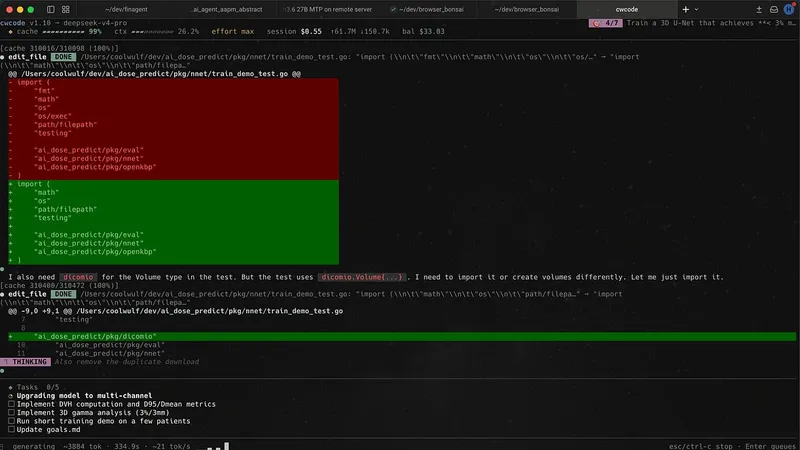
DeepSeek V4 Pro at 5% the cost of Claude – what it takes to close the gap
Jun 16, 2026
Why Software Factories Fail (or: harness engineering is not enough)
Jul 23, 2026
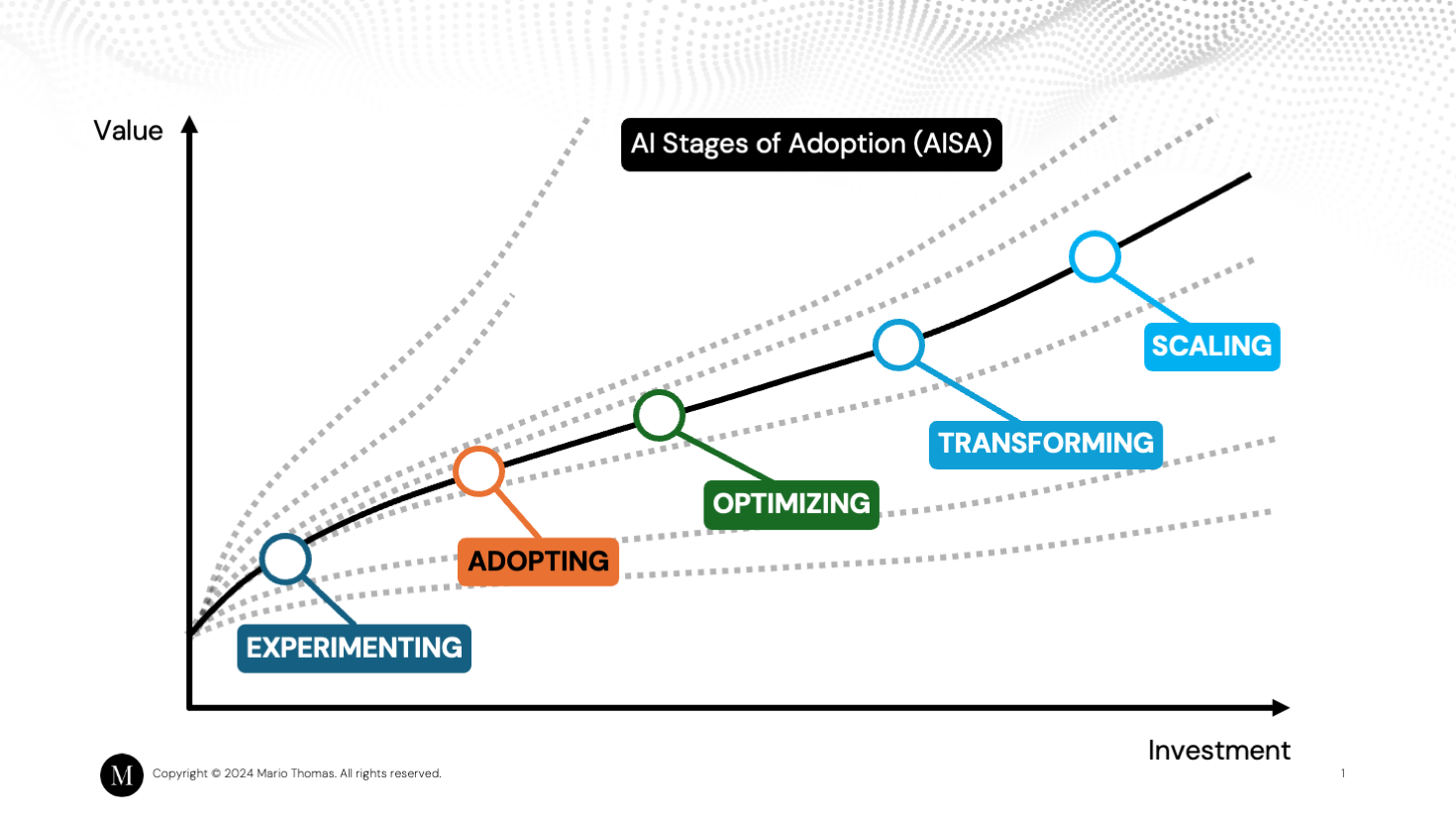
My AI Adoption Journey
Feb 5, 2026
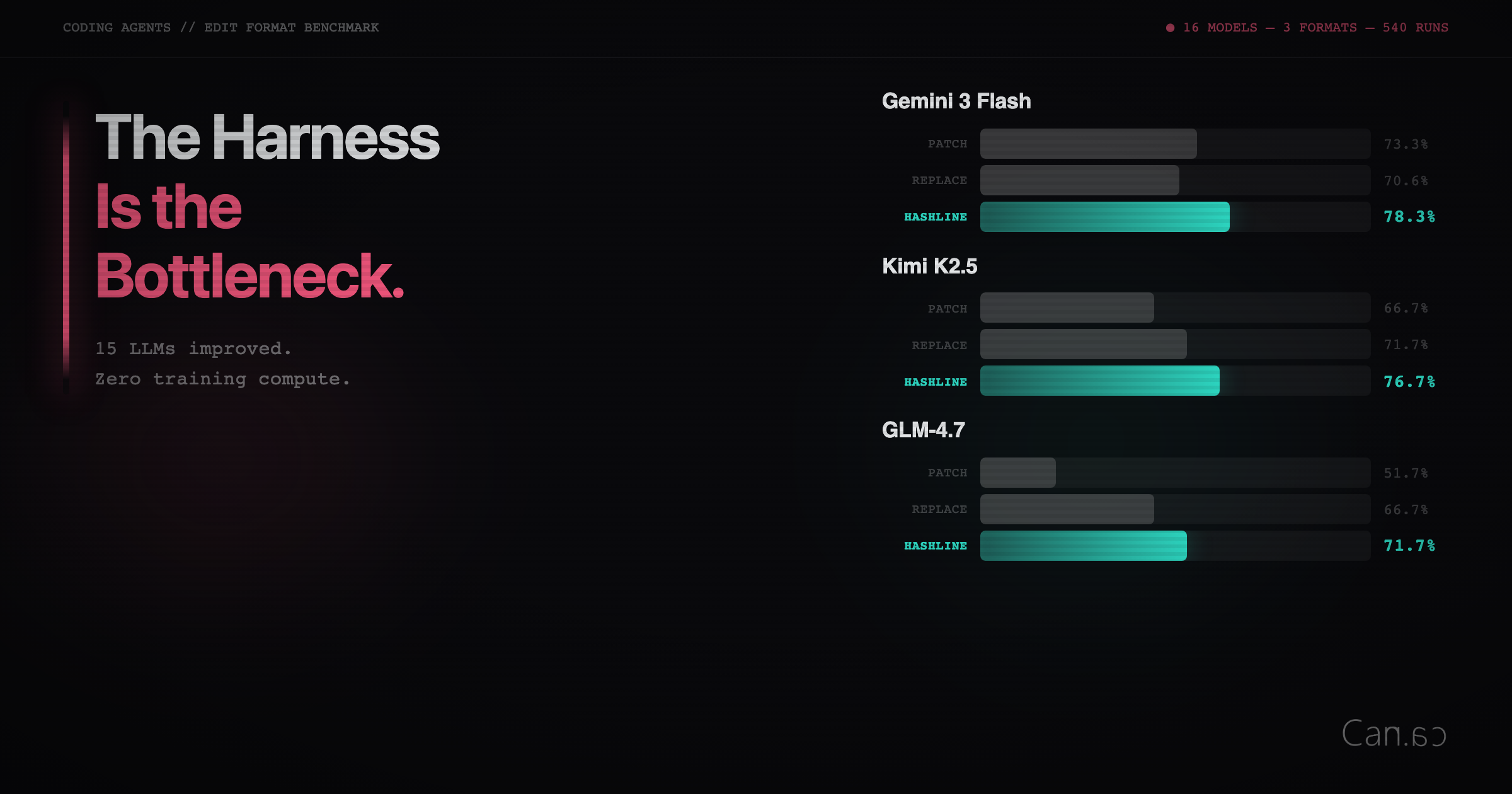
Improving 15 LLMs at Coding in One Afternoon. Only the Harness Changed
Feb 12, 2026