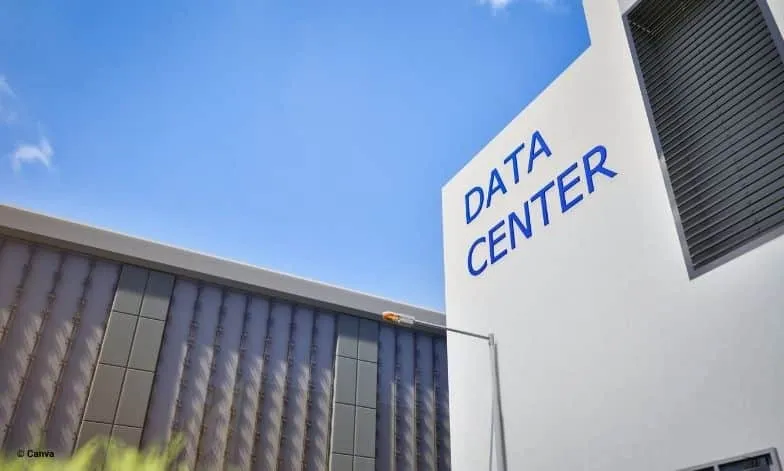
The Philippines' big offshoring industry is growing despite AI
economist.com
August 10, 2026
1 min read
🔥🔥🔥🔥🔥
47/100
Summary
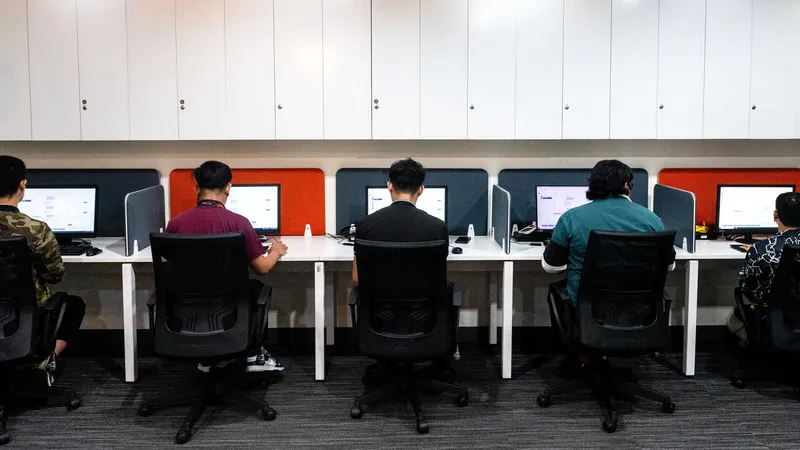
The offshoring industry in the Philippines is experiencing growth despite the rise of AI technologies. Workers like Trizza engage in tasks such as generating business for American firms, often working late-night hours.
Key Takeaways
- The offshoring industry in the Philippines is experiencing growth despite the rise of AI technologies.
- Workers in the Philippines, such as Trizza, utilize AI tools like ChatGPT to enhance their productivity by dictating emails in a professional tone.
- Many offshore employees in the Philippines work long hours at night and communicate in a non-native language.
Coverage & discussions
Hacker News · economist.com
Community discussions
Community Sentiment
Positives
- AI is creating new, complex jobs for offshore workers in the Philippines, helping them transition into roles like training AI models and supervising AI agents.
- The demand for human judgment and empathy in AI applications is rising, showing that AI is enhancing rather than replacing certain job functions.
- The Philippines boasts a large talent pool of English-speaking workers, making it a prime location for IT support roles in a globally distributed workforce.
Concerns
- Concerns over HIPAA compliance arise when American hospitals outsource sensitive tasks to Filipino workers using AI tools, raising questions about data security.
- Some commenters fear AI will lead to regressive economic effects, commoditizing jobs and reducing workers' bargaining power, similar to past industrial transitions.