The Robotic Dexterity Deadlock
origami-robotics.com
February 27, 2026
17 min read
🔥🔥🔥🔥🔥
48/100
Summary
Robot dexterity is hindered by challenges related to high-ratio gearboxes, which negatively impact simulation-to-reality transfer and force transparency. These gearboxes are also prone to wear and tear, affecting overall robot performance.
Key Takeaways
- High-ratio gearboxes in robot hands hinder dexterity by breaking simulation-to-reality transfer, destroying force transparency, and being prone to wear and failure.
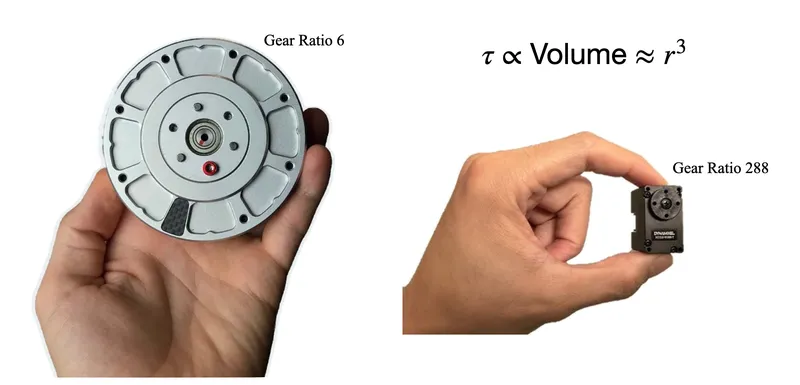
- Most robot hands utilize gear ratios of 100:1 to 288:1, which negatively impact mechanical reliability and accurate force feedback.
- Origami Robotics is addressing the dexterity deadlock by redesigning hardware to reduce gear ratios, aiming to improve manipulation capabilities in robots.
- The challenges of robot manipulation include occlusions, multi-finger coordination, and contact modeling, which contribute to the widening gap between locomotion and manipulation.
Coverage & discussions
Hacker News · origami-robotics.com
Community discussions
Community Sentiment
Positives
- The discovery that gearbox problems can hinder machine learning systems highlights the need for improved motor and gearbox development, potentially unlocking new funding opportunities for robotics.
Concerns
- The pursuit of humanoid robots appears misguided, as existing non-humanoid solutions already address specific tasks more effectively, raising concerns about wasted resources in AI development.
- The ongoing focus on humanoid form factors in robotics may lead to technological dead ends, as they often fail to solve practical problems like stability and safety.