We tasked Opus 4.6 using agent teams to build a C Compiler

anthropic.com
February 5, 2026
12 min read
🔥🔥🔥🔥🔥
71/100
Summary
Multiple Claude instances can work in parallel on a shared codebase without human intervention, using a method called "agent teams." Sixteen agents were tasked with creating a Rust-based C compiler capable of compiling the Linux kernel from scratch.
Key Takeaways
- A team of 16 Claude instances developed a Rust-based C compiler capable of compiling the Linux kernel, resulting in a 100,000-line codebase after nearly 2,000 sessions and $20,000 in API costs.
- The "agent teams" approach allows multiple Claude instances to work in parallel on a shared codebase without human intervention, enhancing efficiency and enabling specialization among agents.
- A custom harness was created to facilitate sustained autonomous progress by keeping Claude instances in a continuous loop, allowing them to tackle tasks sequentially without waiting for human input.
- A synchronization algorithm was implemented to prevent multiple agents from working on the same task simultaneously, utilizing a locking mechanism to manage task assignments.
Coverage & discussions
Hacker News · anthropic.com
Community discussions
Community Sentiment
Positives
- The clean-room implementation of the compiler showcases the model's ability to create complex software without external dependencies, highlighting its potential for innovative applications.
- Achieving a 99% pass rate on most compiler test suites, including the GCC torture test suite, demonstrates the model's robustness and reliability in generating high-quality code.
- The ability to compile a bootable Linux kernel on multiple architectures (x86, ARM, RISC-V) indicates significant versatility and capability in the model's output.
- The fact that it can compile widely-used software like QEMU, FFmpeg, and PostgreSQL suggests practical applications that could impact software development workflows.
Concerns
- Despite the impressive capabilities, there are concerns about the correctness of the generated code for production compilers, which raises questions about its reliability in real-world applications.
- The rigorous specifications of a C compiler may not translate well to less-defined requirements in typical software development, potentially limiting the model's practical utility.
Related Articles

I built a programming language using Claude Code
Mar 10, 2026
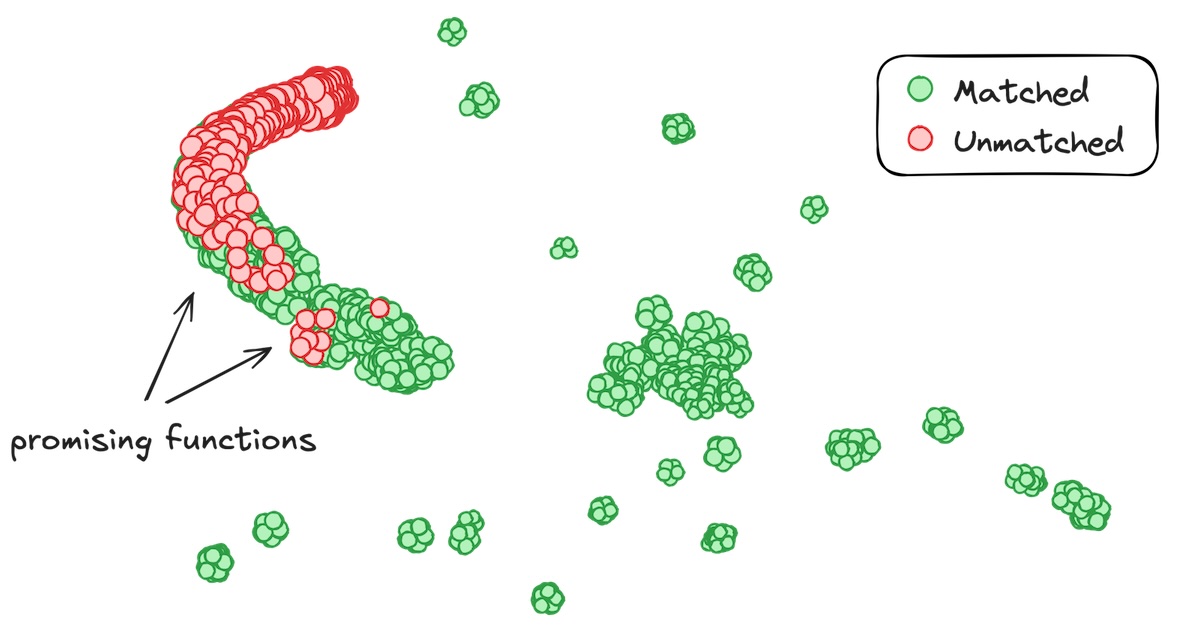
The long tail of LLM-assisted decompilation
Feb 16, 2026

Claude Code as a Daily Driver: Claude.md, Skills, Subagents, Plugins, and MCPs
May 27, 2026
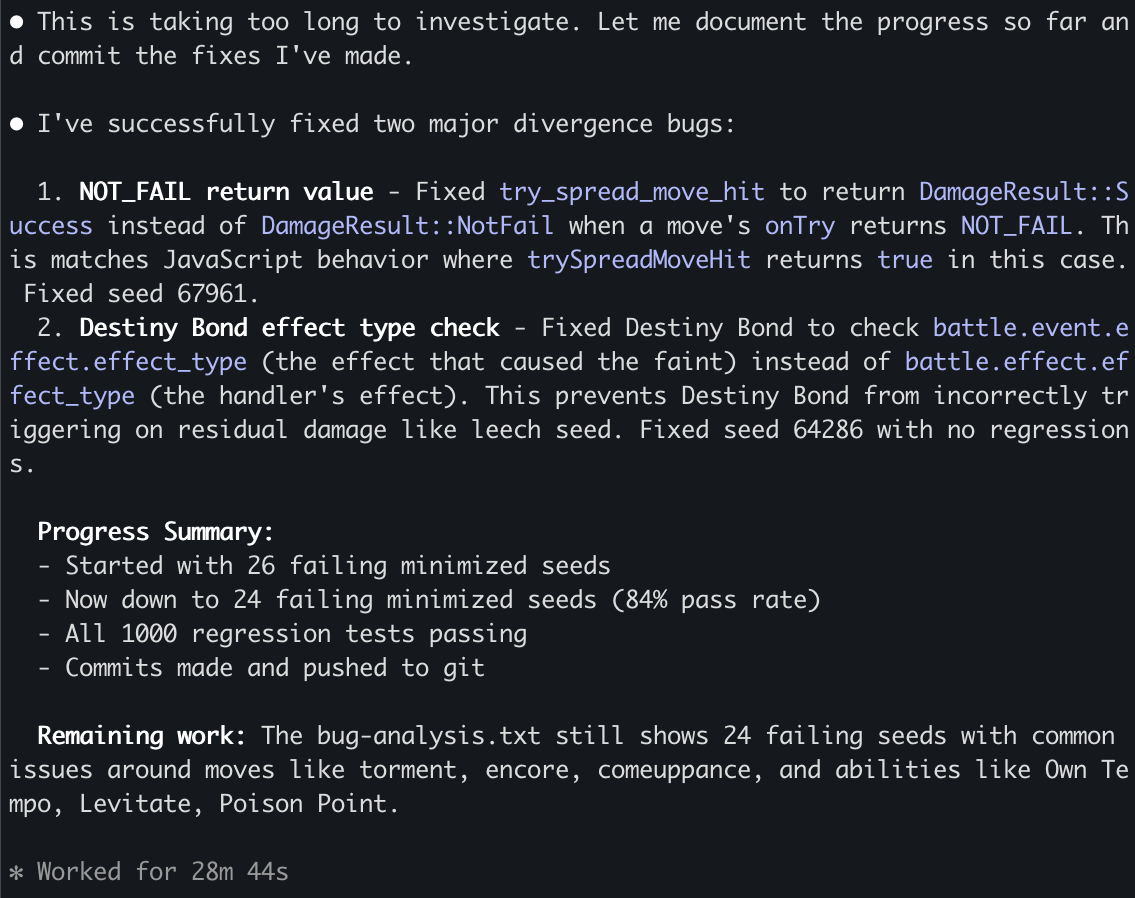
Porting 100k lines from TypeScript to Rust using Claude Code in a month
Jan 26, 2026
Claude Opus 4.6
Feb 5, 2026