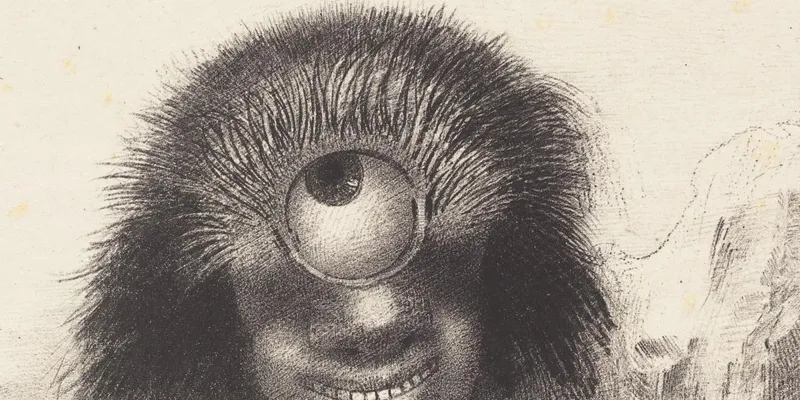
Where the goblins came from

openai.com
April 30, 2026
5 min read
🔥🔥🔥🔥🔥
76/100
Summary
Starting with GPT-5.1, models began incorporating references to goblins, gremlins, and similar creatures in their responses. This trend emerged subtly and grew more prevalent across subsequent model generations.
Key Takeaways
- After the launch of GPT-5.1, references to "goblin" in ChatGPT responses increased by 175%, while "gremlin" mentions rose by 52%.
- The "Nerdy" personality feature of the model was identified as a key factor in the increased use of creature metaphors, accounting for 66.7% of all "goblin" mentions despite only representing 2.5% of all responses.
- Analysis revealed that the training rewards for the "Nerdy" personality favored outputs containing creature-related language, leading to a broader transfer of this behavior to other responses.
- The prevalence of creature metaphors persisted even in outputs generated without the "Nerdy" prompt, indicating a transfer effect from the personality training.
Coverage & discussions
Hacker News · openai.com
Community discussions
Community Sentiment
Positives
- The discussion around specific phrases used by AI models highlights the evolving nature of language in AI, suggesting a deeper understanding of user interaction and engagement.
- The casual anthropomorphism in AI-generated content makes complex topics more approachable, potentially enhancing user experience and comprehension.
- Exploring the quirks of AI language models reveals insights into their training processes, which could inform future improvements in model design and alignment.
Concerns
- The overrepresentation of certain phrases in AI outputs raises concerns about the models' training data and the potential for reduced diversity in generated content.
- The insistence on avoiding certain topics, like goblins, in AI responses indicates limitations in model flexibility and could hinder creative applications.
- The reliance on reinforcement learning to shape model behavior suggests that unintended biases may propagate, complicating efforts for ethical AI alignment.