
Vintage Artificial Intelligence: Before It Got Awkward
The Internet Archive has launched the Vintage Artificial Intelligence collection, a curated group of emulated software packages from roughly the 1970s through the 1990s. The programs do not actually think, but they portray thinking machines, simulated personalities, autonomous characters and computer-controlled opponents across home computers and game consoles. The collection is available for research, education and play. The collection includes numerous ports of Joseph Weizenbaum’s ELIZA, whose DOCTOR script imitated a psychologist through question-and-answer exchanges and led some users to treat it as a real conversational partner. Versions run on systems including the Apple II, Atari 800, Radio Shack Color Computer and PalmPilot. Other conversational programs include Dr. Z, Talking Sam, Hyper Psych, DR. SPOC, Abuse and Serbian-language parody Pisko. Racter, a commercial chatbot released in 1985, generated sentences and stories and was marketed as a program capable of conversation. Games and simulations in the collection used rules, scripted events and variable character behavior to create impressions of independent digital life. Activision’s Alter Ego let players guide a persona through life stages and consequences, while Little Computer People simulated inhabitants living inside a computer. Murder on the Zinderneuf, Suspended, Deadline and The Hobbit featured characters acting beyond the player’s immediate control. Robot War, Worms and Fortress let players program automated competitors before sending them into arenas.
blog.archive.org
9 min
8/24/2026
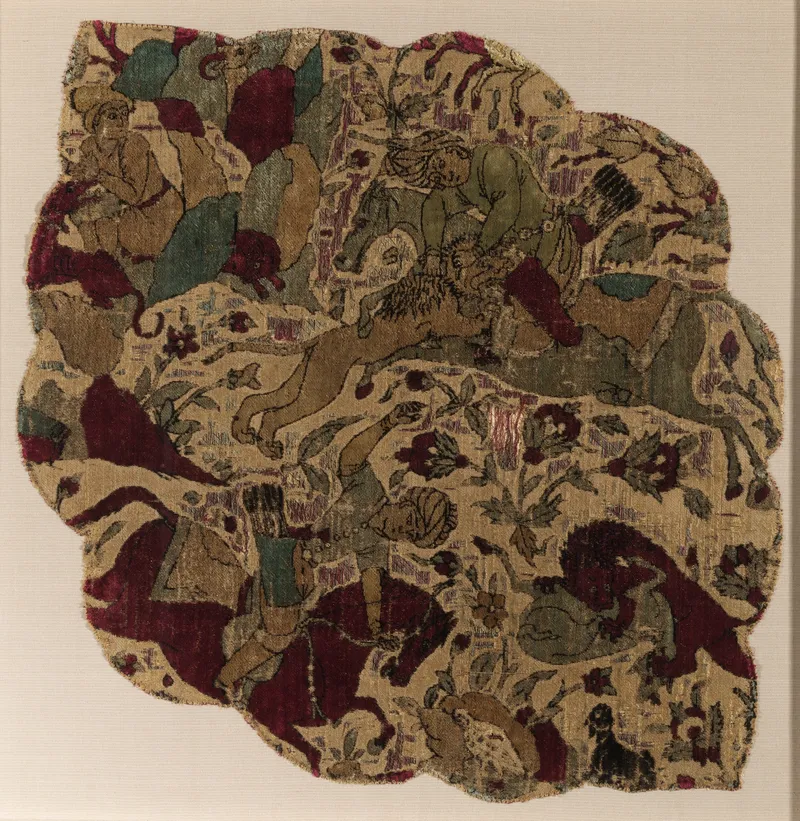
The "Disability Dongle": Why Silicon Valley Hates Me and You
Silicon Valley often promotes technology that simplifies disability but overlooks the complexities and needs of disabled individuals. Viral videos showcasing innovative inventions like stair-climbing wheelchairs can perpetuate unrealistic expectations and fail to address deeper systemic issues.
sightlessscribbles.com
4 min
8/5/2026
My phone replaced a brass plug
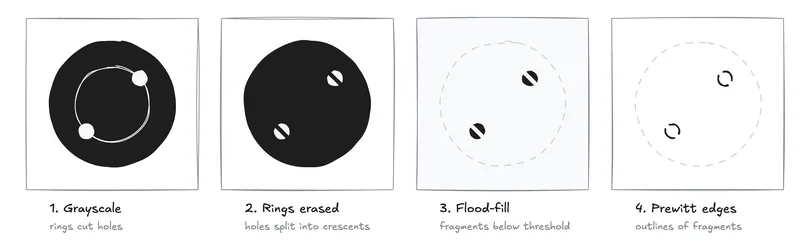
A cooking project involving venison required learning to shoot and tracking progress through the adaptation of a 2012 OpenCV paper. Training a state-of-the-art computer vision model contributed to a longer preparation time for the dinner.
drobinin.com
11 min
4/23/2026

I resigned from OpenAI
Caitlin Kalinowski has resigned from OpenAI, expressing concern over the implications of AI in national security, particularly regarding surveillance without judicial oversight and lethal autonomy without human authorization. She emphasized that her decision was based on principles rather than personal relationships.
twitter.com
1 min
3/7/2026

Vintage Artificial Intelligence: Before It Got Awkward
The Internet Archive has launched the Vintage Artificial Intelligence collection, a curated group of emulated software packages from roughly the 1970s through the 1990s. The programs do not actually think, but they portray thinking machines, simulated personalities, autonomous characters and computer-controlled opponents across home computers and game consoles. The collection is available for research, education and play. The collection includes numerous ports of Joseph Weizenbaum’s ELIZA, whose DOCTOR script imitated a psychologist through question-and-answer exchanges and led some users to treat it as a real conversational partner. Versions run on systems including the Apple II, Atari 800, Radio Shack Color Computer and PalmPilot. Other conversational programs include Dr. Z, Talking Sam, Hyper Psych, DR. SPOC, Abuse and Serbian-language parody Pisko. Racter, a commercial chatbot released in 1985, generated sentences and stories and was marketed as a program capable of conversation. Games and simulations in the collection used rules, scripted events and variable character behavior to create impressions of independent digital life. Activision’s Alter Ego let players guide a persona through life stages and consequences, while Little Computer People simulated inhabitants living inside a computer. Murder on the Zinderneuf, Suspended, Deadline and The Hobbit featured characters acting beyond the player’s immediate control. Robot War, Worms and Fortress let players program automated competitors before sending them into arenas.
blog.archive.org
9 min
8/24/2026
On Labubu and the Hyperreal
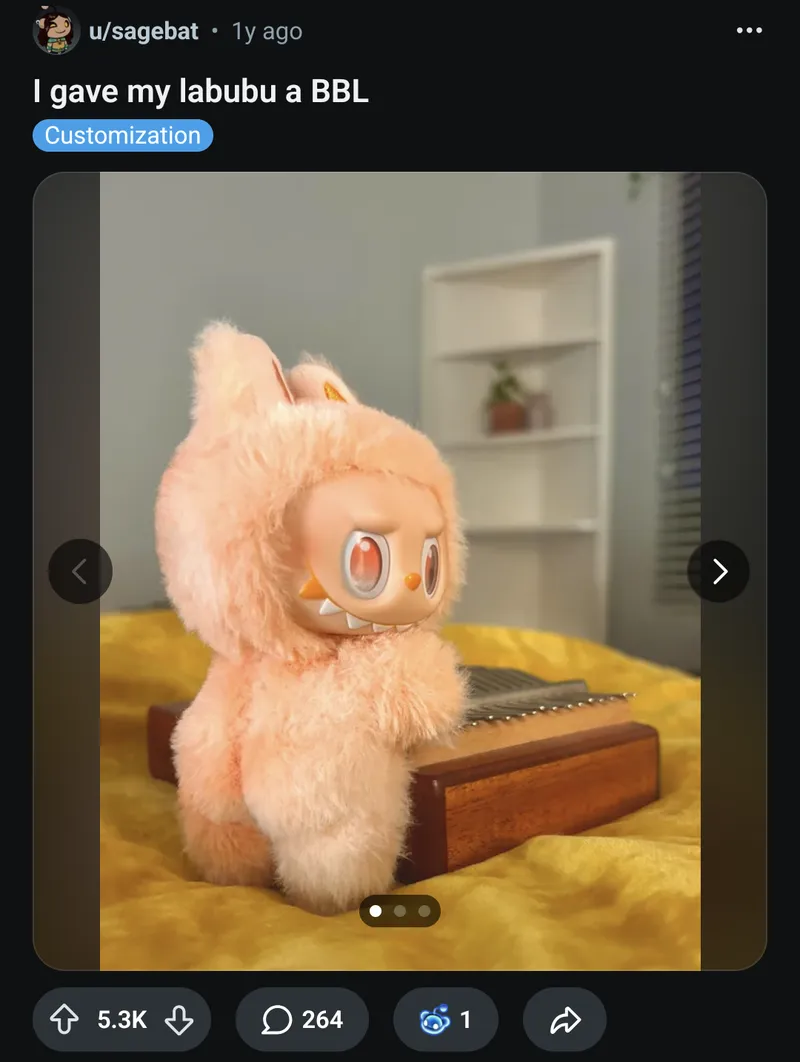
Labubu is a small, fluffy toy characterized by stubby arms, rabbit ears, a round body, and large eyes. The toy contrasts with masculine clothing, suggesting a statement about gender expression.
2earth.github.io
14 min
5/27/2026
I resigned from OpenAI
Caitlin Kalinowski has resigned from OpenAI, expressing concern over the implications of AI in national security, particularly regarding surveillance without judicial oversight and lethal autonomy without human authorization. She emphasized that her decision was based on principles rather than personal relationships.
twitter.com
1 min
3/7/2026
The "Disability Dongle": Why Silicon Valley Hates Me and You
Silicon Valley often promotes technology that simplifies disability but overlooks the complexities and needs of disabled individuals. Viral videos showcasing innovative inventions like stair-climbing wheelchairs can perpetuate unrealistic expectations and fail to address deeper systemic issues.
sightlessscribbles.com
4 min
8/5/2026
My phone replaced a brass plug
A cooking project involving venison required learning to shoot and tracking progress through the adaptation of a 2012 OpenCV paper. Training a state-of-the-art computer vision model contributed to a longer preparation time for the dinner.
drobinin.com
11 min
4/23/2026
Vintage Artificial Intelligence: Before It Got Awkward
The Internet Archive has launched the Vintage Artificial Intelligence collection, a curated group of emulated software packages from roughly the 1970s through the 1990s. The programs do not actually think, but they portray thinking machines, simulated personalities, autonomous characters and computer-controlled opponents across home computers and game consoles. The collection is available for research, education and play. The collection includes numerous ports of Joseph Weizenbaum’s ELIZA, whose DOCTOR script imitated a psychologist through question-and-answer exchanges and led some users to treat it as a real conversational partner. Versions run on systems including the Apple II, Atari 800, Radio Shack Color Computer and PalmPilot. Other conversational programs include Dr. Z, Talking Sam, Hyper Psych, DR. SPOC, Abuse and Serbian-language parody Pisko. Racter, a commercial chatbot released in 1985, generated sentences and stories and was marketed as a program capable of conversation. Games and simulations in the collection used rules, scripted events and variable character behavior to create impressions of independent digital life. Activision’s Alter Ego let players guide a persona through life stages and consequences, while Little Computer People simulated inhabitants living inside a computer. Murder on the Zinderneuf, Suspended, Deadline and The Hobbit featured characters acting beyond the player’s immediate control. Robot War, Worms and Fortress let players program automated competitors before sending them into arenas.
blog.archive.org
9 min
8/24/2026
My phone replaced a brass plug
A cooking project involving venison required learning to shoot and tracking progress through the adaptation of a 2012 OpenCV paper. Training a state-of-the-art computer vision model contributed to a longer preparation time for the dinner.
drobinin.com
11 min
4/23/2026
The "Disability Dongle": Why Silicon Valley Hates Me and You
Silicon Valley often promotes technology that simplifies disability but overlooks the complexities and needs of disabled individuals. Viral videos showcasing innovative inventions like stair-climbing wheelchairs can perpetuate unrealistic expectations and fail to address deeper systemic issues.
sightlessscribbles.com
4 min
8/5/2026
I resigned from OpenAI
Caitlin Kalinowski has resigned from OpenAI, expressing concern over the implications of AI in national security, particularly regarding surveillance without judicial oversight and lethal autonomy without human authorization. She emphasized that her decision was based on principles rather than personal relationships.
twitter.com
1 min
3/7/2026
On Labubu and the Hyperreal
Labubu is a small, fluffy toy characterized by stubby arms, rabbit ears, a round body, and large eyes. The toy contrasts with masculine clothing, suggesting a statement about gender expression.
2earth.github.io
14 min
5/27/2026
No more articles to load