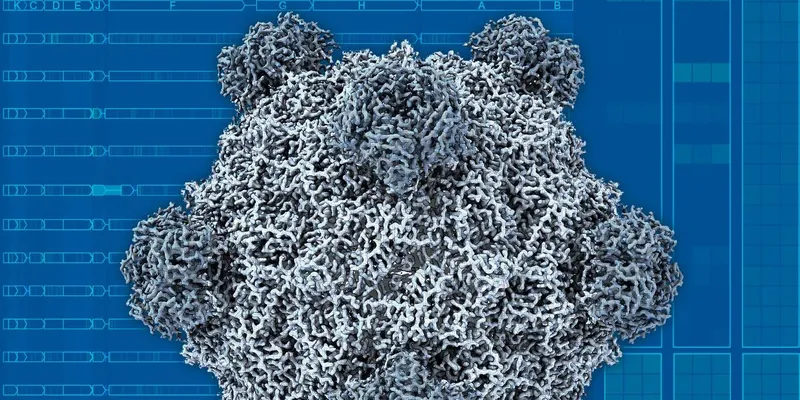
AI Can Now Design Functional Viruses. Should We Worry?
Researchers at Stanford University created 16 bacteria-infecting viruses using a genomic language model trained on extensive DNA sequences. These viruses represent the first complete, functional genomes generated entirely by AI.
spectrum.ieee.org
6 min
8/15/2026
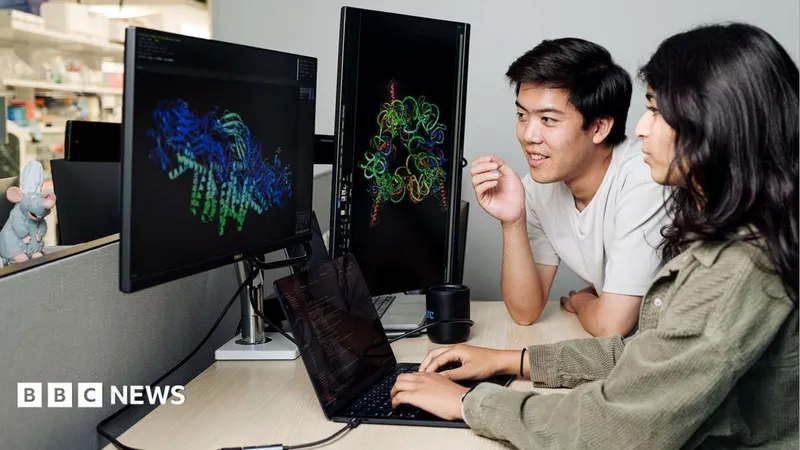
Artificial Intelligence used to design new viruses
Artificial Intelligence has been successfully used to design 16 novel viruses that can replicate in laboratory conditions and infect bacteria. This marks the first instance of AI designing whole genomes, representing a significant advancement in scientific research.
bbc.co.uk
4 min
8/7/2026
AI Can Now Design Functional Viruses. Should We Worry?
Researchers at Stanford University created 16 bacteria-infecting viruses using a genomic language model trained on extensive DNA sequences. These viruses represent the first complete, functional genomes generated entirely by AI.
spectrum.ieee.org
6 min
8/15/2026
Artificial Intelligence used to design new viruses
Artificial Intelligence has been successfully used to design 16 novel viruses that can replicate in laboratory conditions and infect bacteria. This marks the first instance of AI designing whole genomes, representing a significant advancement in scientific research.
bbc.co.uk
4 min
8/7/2026
AI Can Now Design Functional Viruses. Should We Worry?
Researchers at Stanford University created 16 bacteria-infecting viruses using a genomic language model trained on extensive DNA sequences. These viruses represent the first complete, functional genomes generated entirely by AI.
spectrum.ieee.org
6 min
8/15/2026
Artificial Intelligence used to design new viruses
Artificial Intelligence has been successfully used to design 16 novel viruses that can replicate in laboratory conditions and infect bacteria. This marks the first instance of AI designing whole genomes, representing a significant advancement in scientific research.
bbc.co.uk
4 min
8/7/2026
No more articles to load