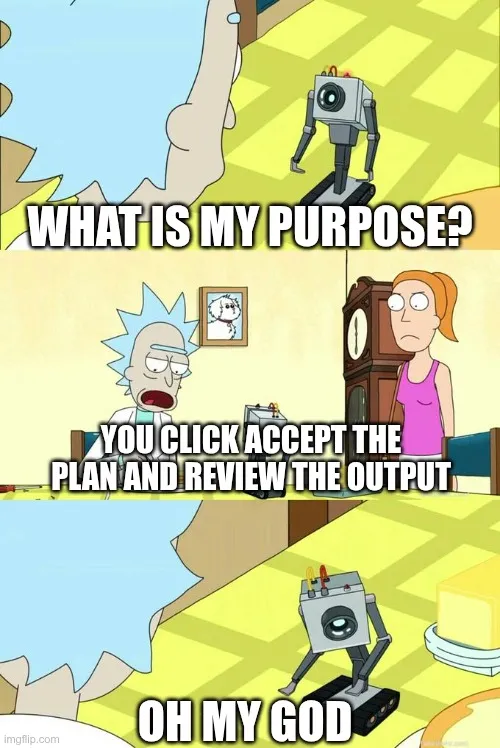
AI Is a Bad Tool
bytecode.news
July 13, 2026
5 min read
🔥🔥🔥🔥🔥
48/100
Summary
AI is often viewed as a poor tool for software development due to its failure modes observed across the industry. However, it can be beneficial when utilized as a data distiller, streamlining information retrieval.
Key Takeaways
- AI is considered a bad tool for software development due to its opacity and inability to verify the quality of generated code.
- The claim that AI can find security flaws in software is unsubstantiated and requires human verification, which may be as labor-intensive as identifying the issues manually.
- AI-generated code often biases testing to fit existing implementations rather than following specifications, leading to potentially flawed outcomes.
- The concept of 'AI engineering' or 'prompt engineering' is viewed as ineffective, as there is no reliable way to manipulate or understand the underlying processes of AI systems.
Coverage & discussions
Hacker News · bytecode.news
Community discussions
Community Sentiment
Positives
- Frontier models like GLM 5.2 are transforming coding from a tedious task to a streamlined process, making it hard to imagine ever going back to manual coding.
- Skepticism about AI has shifted dramatically for many, with users finding AI tools invaluable for refining designs and tackling complex coding tasks efficiently.
- AI's ability to handle miserable tasks like editing Go templates is a game changer, making it easier to focus on higher-level design instead of getting bogged down in syntax.
Concerns
- The article's premise that AI-generated code is untrustworthy reflects a misunderstanding of how AI can assist in validating and enhancing code quality.
- Claims that AI finding vulnerabilities is useless due to verification needs overlook the fact that many security flaws can be easily identified and verified with AI tools.
- There’s a pervasive skepticism that AI tools can genuinely replace human cognition, with some arguing that the effort to verify AI-generated outputs often negates their benefits.