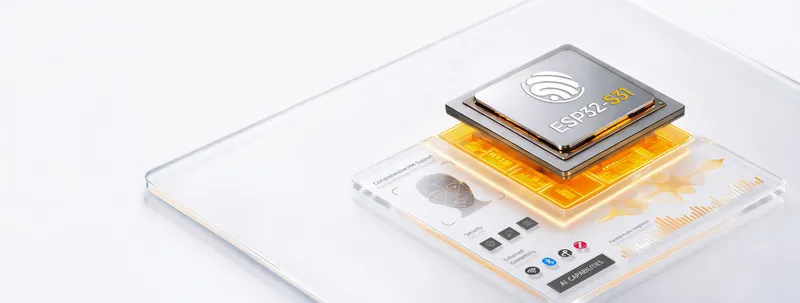
ESP32-S31
espressif.com
June 3, 2026
2 min read
🔥🔥🔥🔥🔥
64/100
Summary
ESP32-S31 features a dual-core RISC-V architecture and supports both wireless and wired connectivity. It includes 2.4 GHz Wi-Fi 6, IEEE 802.15.4 for Thread and Zigbee, and Bluetooth 5.4 for LE Audio, Direction Finding, and Bluetooth Mesh 1.1.
Key Takeaways
- ESP32-S31 features dual-core 32-bit RISC-V architecture running at 320 MHz, offering 6.86 CoreMark/MHz processing performance and 60 GPIOs for design flexibility.
- The SoC supports multiple connectivity options including Wi-Fi 6, Bluetooth 5.4 LE Audio, and 1000 Mbps Ethernet, making it suitable for IoT applications.
- ESP32-S31 includes advanced multimedia capabilities with a DVP camera interface, LCD support, and hardware accelerators for efficient image processing.
- The device incorporates robust hardware-based security features, including TRNG, secure boot, and cryptographic accelerators for enhanced application security.
Community Sentiment
Positives
- The introduction of RISC-V cores simplifies embedded systems development, enhancing accessibility for developers by eliminating the need for cumbersome proprietary toolchains.
- The ESP32-S31's dual-core architecture and wireless capabilities position it as a strong option for low-volume designs, offering a balance of performance and ease of implementation.
- Having both WiFi and wired ethernet on the same chip is a significant advantage, catering to diverse connectivity needs in embedded applications.
Concerns
- The lack of hardware floating point support may limit the performance of certain applications, particularly those requiring complex calculations.
- Concerns about the ESP32-S31's capability to handle demanding AI workloads arise, as its dual-core 320MHz architecture may struggle with more intensive models like vision tasks.