Google Engineers Launch "Sashiko" for Agentic AI Code Review of the Linux Kernel
phoronix.com
March 18, 2026
2 min read
🔥🔥🔥🔥🔥
51/100
Summary
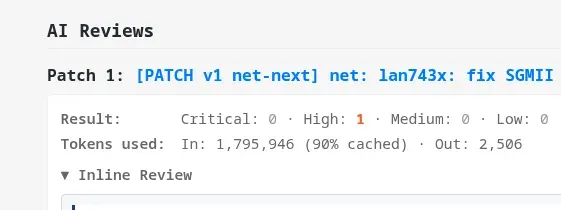
Sashiko is an open-source agentic AI code review system for the Linux kernel developed by Google engineers. It will continue to perform upstream Linux kernel code reviews with ongoing funding from Google.
Key Takeaways
- Google engineers developed Sashiko, an agentic AI code review system for the Linux kernel, which is now open-source and publicly available.
- Sashiko has identified approximately 53% of bugs from an unfiltered set of 1,000 recent upstream Linux kernel issues marked with "Fixes:".
- The project is funded by Google and will be hosted by the Linux Foundation, with the code available on GitHub.
- Sashiko was designed for Google Gemini Pro 3.1 but is compatible with other large language models like Claude.
Coverage & discussions
Hacker News · phoronix.com
Community discussions
Community Sentiment
Positives
- Sashiko's ability to find around 53% of bugs in the Linux kernel demonstrates its potential effectiveness in enhancing code quality and reliability.
- The project is seen as interesting and innovative, indicating a positive reception towards the integration of AI in code review processes.
Concerns
- Concerns were raised about the system's potential to generate false positives, which could overwhelm human reviewers and diminish trust in its findings.
- The implementation of style and structure changes by Sashiko might hinder existing development processes, suggesting that automated cleanups could be counterproductive.
Related Articles

AI bug reports went from junk to legit overnight, says Linux kernel czar
Mar 27, 2026
How the Claude Code team does code review
Oct 16, 2026

Headlong: A Microharness for Persistent Agents
Aug 25, 2026

Munder Difflin – Agent harness to run an office of your clones
Aug 22, 2026

Mythos Attempted to Social Engineer Open Source Maintainer to Merge Malware
Aug 7, 2026