My Journey to a reliable and enjoyable locally hosted voice assistant
community.home-assistant.io
March 16, 2026
11 min read
🔥🔥🔥🔥🔥
66/100
Summary
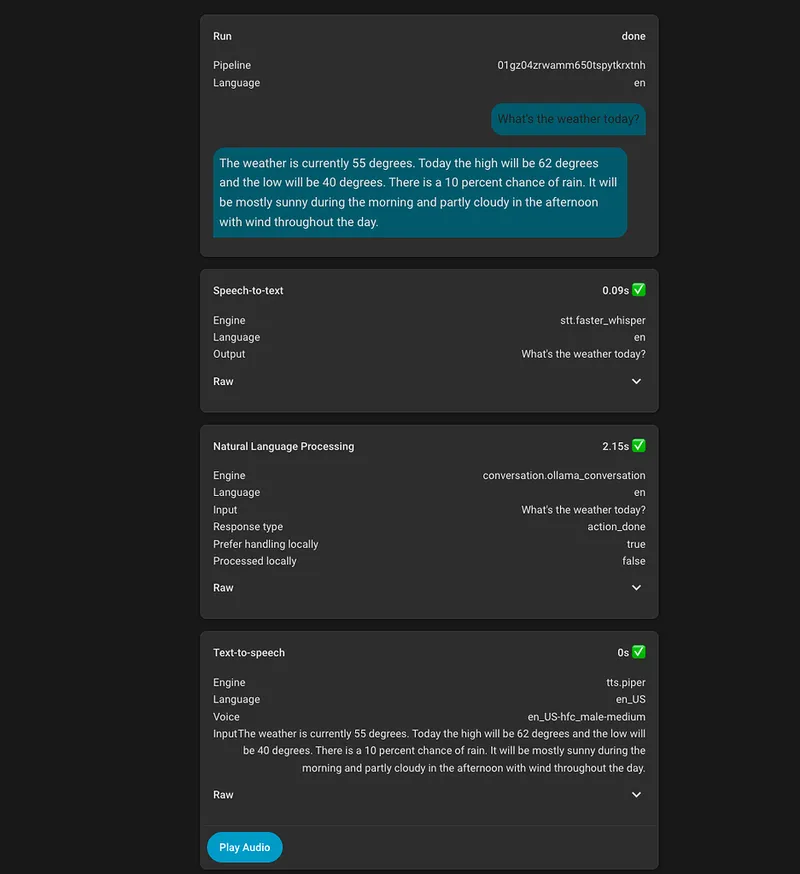
A locally hosted voice assistant has been developed using HomeAssistant's assist feature, leveraging local first technology and llama.cpp. The transition from Google Home to this setup involved specific decisions tailored to enhance reliability and user experience.
Key Takeaways
- The author transitioned from Google Home to a locally hosted voice assistant using HomeAssistant and llama.cpp for improved performance and reliability.
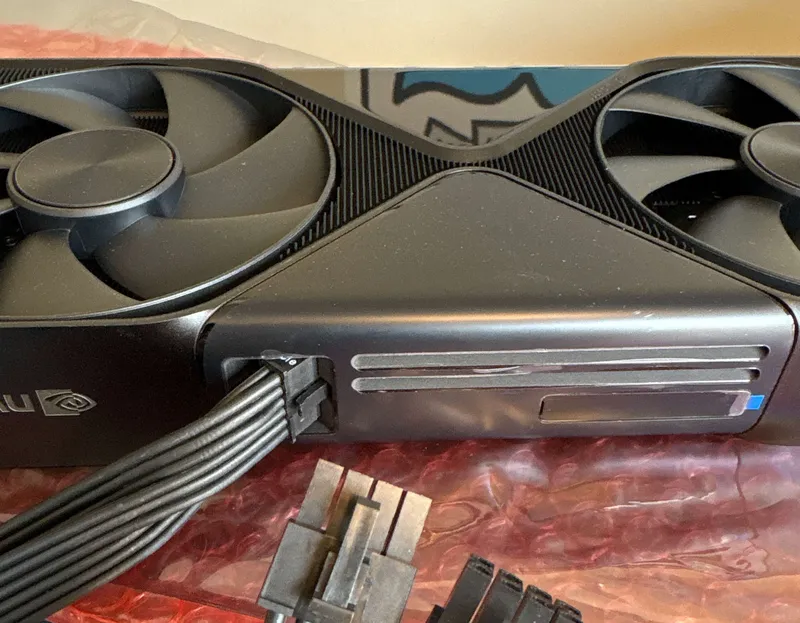
- Various GPUs were tested for local assist, with response times ranging from 1 to 4 seconds depending on the model used.
- The recommended software for optimal performance includes llama.cpp for model running and Wyoming ONNX ASR for speech-to-text processing.
- Kokoro TTS is utilized for text-to-speech, allowing for multiple voice and tone options for output.
Coverage & discussions
Hacker News · community.home-assistant.io
Community discussions
Community Sentiment
Positives
- Gemini 2.5 Flash is praised for its exceptional speed and cost-effectiveness as a home assistant, making it a viable alternative for users concerned about expenses.
- The new voice assistant shows significant improvements over Siri, particularly in context awareness and reducing unnecessary prompts, which enhances user experience.
Concerns
- Wake word detection remains a major issue, with users reporting that current solutions fail to match the reliability of established devices like Amazon Echo.
- The audio quality of responses from the Home Assistant Voice Preview devices is criticized as being poor, which detracts from the overall user experience.