Running local models is good now
vickiboykis.com
June 16, 2026
6 min read
🔥🔥🔥🔥🔥
80/100
Summary
Local AI models have significantly improved in performance and usability. Various models such as Mistral 7B, Gemma 3, OpenAI OSS-20B, and Qwen 3 MOE have been successfully run on a 2022 M2 Mac with 64 GB RAM and 1TB storage using different setups including llama.cpp, llama-cpp-python, and LM Studio.
Key Takeaways
- Local models have significantly improved in performance and usability, allowing for agentic coding with around 75% accuracy and speed compared to frontier models.
- The author primarily uses the Gemma-4-26b-a4b model in LM Studio for tasks such as refactoring Python scripts, proofreading, and writing unit tests.
- Recent advancements in local models, such as GPT-OSS and Gemma 4, have made previously impossible tasks feasible within the last six months.
- The setup for running local agentic models involves using an inference engine and an agent harness, with the author currently utilizing Pi and LM Studio.
Community Sentiment
Positives
- Qwen3.6-27B is proving to be a highly capable local model for coding tasks, demonstrating its utility in everyday applications without requiring cloud inference.
- The ability to run local models like Qwen3.6-27B offers users more control and potentially lowers long-term costs compared to subscription-based cloud services.
- Gemma 4 excels in pipeline automation tasks, outperforming larger models like Qwen, which highlights the importance of task-specific optimization in AI applications.
- Local models are expected to improve significantly, which could lead to a more competitive landscape against hosted models, benefiting users seeking cost-effective solutions.
Concerns
- Many users find that larger models, like Claude Sonnet 4.6, can feel inferior in conversational quality, indicating that size does not always equate to better performance.
- Running local models often requires substantial hardware investments, making them inaccessible for many users and limiting their practical use.
- The performance of local models can be inconsistent, with issues like slow inference and incorrect outputs, which can hinder productivity in complex tasks.
- Concerns about the increasing costs of running local models and the potential monopolization of resources by larger companies raise ethical questions about accessibility.
Related Articles

Running local models on an M4 with 24GB memory
May 10, 2026
Qwen 3.6 27B is the sweet spot for local development
Jun 29, 2026
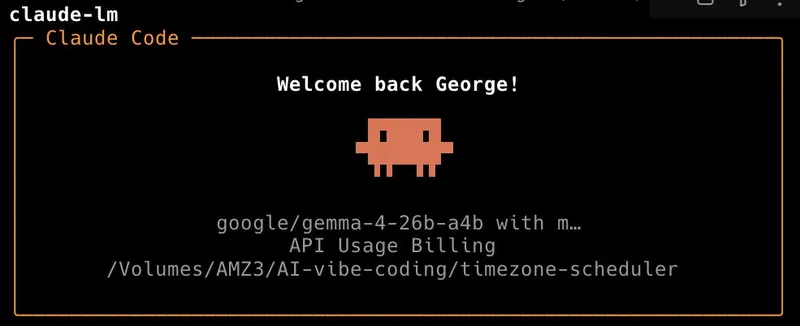
Running Gemma 4 locally with LM Studio's new headless CLI and Claude Code
Apr 5, 2026

Qwen 3.8 27B is excellent, but it defaults to overthinking things
Aug 16, 2026
Local Qwen isn't a worse Opus, it's a different tool
Jun 18, 2026