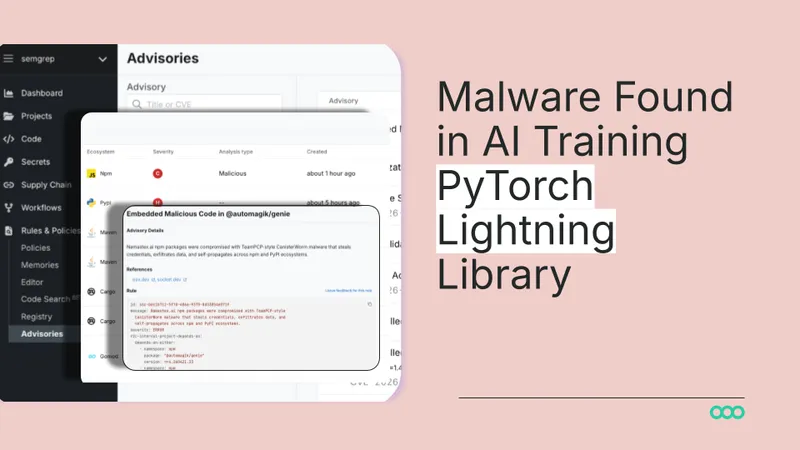
Shai-Hulud Themed Malware Found in the PyTorch Lightning AI Training Library
semgrep.dev
April 30, 2026
6 min read
67/100
Summary
The PyPI package 'lightning', versions 2.6.2 and 2.6.3, was compromised in a supply chain attack, affecting users of the PyTorch Lightning AI training library. The malicious versions include a hidden _runtime directory containing obfuscated JavaScript that activates upon running pip install lightning.
Key Takeaways
- The PyPI package 'lightning' versions 2.6.2 and 2.6.3 were compromised in a supply chain attack, allowing malware to execute upon module import.
- The malware steals credentials, authentication tokens, environment variables, and cloud secrets while attempting to poison GitHub repositories.
- The attack is linked to the same threat actor behind the previous "Mini Shai-Hulud" campaign, utilizing similar tactics and naming conventions.
- The malware can propagate to npm packages, injecting malicious code into those that can be published with stolen credentials.
Coverage & discussions
Hacker News · semgrep.dev
Community discussions
Community Sentiment
Concerns
- The discovery of malware in the PyTorch Lightning library raises significant concerns about the security of AI training tools, potentially jeopardizing user trust and safety.
- The rapid creation of repositories with compromised names indicates a serious security breach, suggesting that the integrity of AI development environments is at risk.
- Uncertainty about how the dependency was compromised highlights vulnerabilities in the approval processes for AI libraries, which could lead to widespread issues if not addressed.
Related Articles

Keyv and friends compromised in active Shai-Hulud supply chain attack
Aug 4, 2026
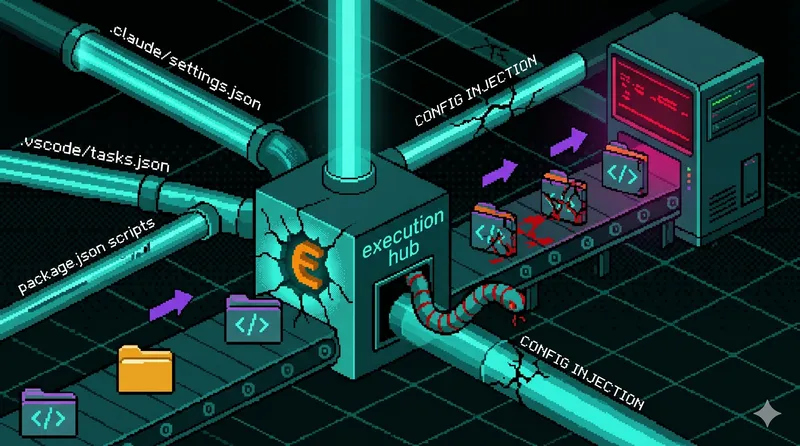
Config Files That Run Code: Supply Chain Security Blindspot
Jun 8, 2026

Axios compromised on NPM – Malicious versions drop remote access trojan
Mar 31, 2026

Notepad++ supply chain attack breakdown
Feb 3, 2026

Glassworm Is Back: A New Wave of Invisible Unicode Attacks Hits Repositories
Mar 15, 2026