10 REM"_(C2SLFF4
beej.us
July 22, 2026
6 min read
🔥🔥🔥🔥🔥
56/100
Summary
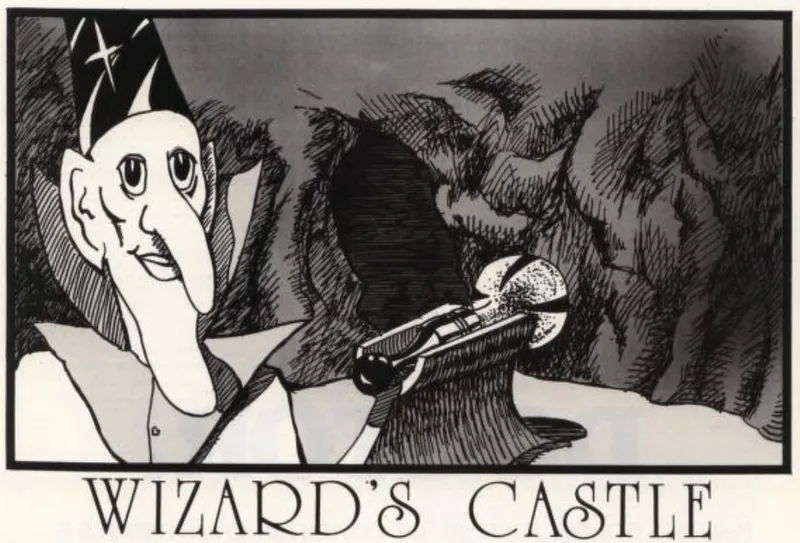
The Wizard's Castle is an 80s microcomputer BASIC game originally written for the Exidy Sorcerer platform. The source code includes a comment line that features a seemingly nonsensical string, which appears verbatim from the original code.
Key Takeaways
- The source code of the 80s microcomputer BASIC game The Wizard's Castle includes a mysterious string "_(C2SLFF4" that appears verbatim from its original publication in July 1980.
- The game uses the USR() function to call machine code routines, with specific memory addresses being manipulated through POKE commands.
- The Exidy Sorcerer BASIC interpreter tokenizes commands, converting them into single byte values for execution.
- The absence of a RANDOMIZE command in Sorcerer BASIC led to the necessity of using existing software or hardware for seeding the pseudo-random number generator.
Coverage & discussions
Hacker News · beej.us
Community discussions
Community Sentiment
Positives
- The nostalgia for old programming techniques is palpable, with many reminiscing about the 'lost magic' of early computing — it’s a testament to how foundational these methods are in our tech evolution.
- Commenters are marveling at the creativity of early programmers who pushed the limits of BASIC and machine code, showing that ingenuity transcends time and tech constraints.
Concerns
- There's a sense of sadness about the forgotten history of programming, as many lament how easily these techniques could be overlooked in today's abstracted tech landscape.
- Several comments highlight the disappointment in discovering that certain typing techniques wouldn't work as expected, indicating a loss of reliability in the magic of early systems.