British Airways: Filming Crew W Meta Glasses Could Get Your Tickets Cancelled
liveandletsfly.com
October 18, 2026
3 min read
48/100
Summary
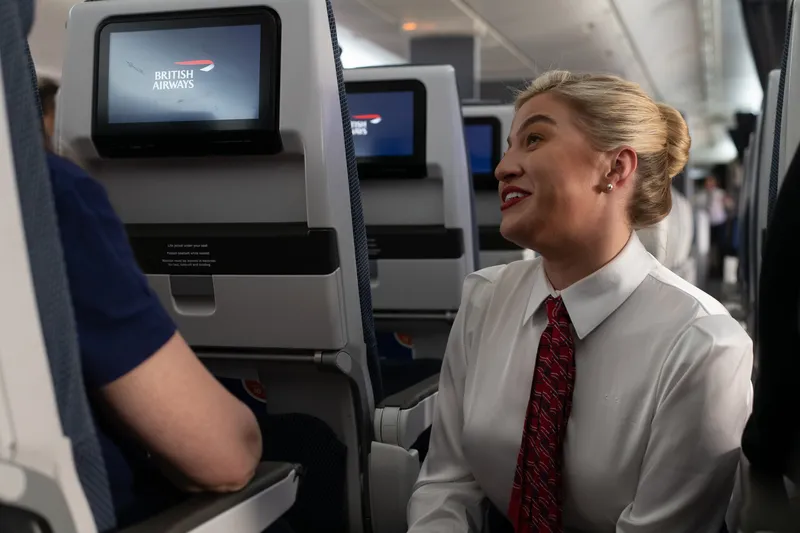
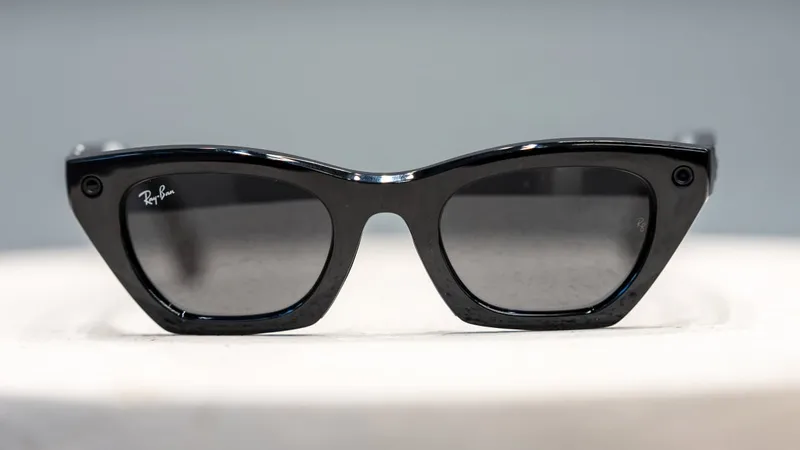
British Airways’ conditions of carriage prohibit passengers from filming, livestreaming, or photographing BA crew and other employees without consent. The airline can intervene to stop unauthorized recording onboard and, after landing, remove a passenger and refuse transportation on the remaining sectors of the ticket, potentially including a booked return flight. Its conditions also allow it to report incidents to authorities when a criminal offense may have occurred, although violating an airline filming policy alone is not necessarily a crime. Paddle Your Own Kanoo reported that British Airways has updated its rules to address covert filming through Meta AI smart glasses at airports and on aircraft. The glasses themselves are not prohibited, but their built-in cameras do not exempt users from the airline’s restrictions on recording employees without permission. British Airways’ conditions do not specifically name Meta glasses in the cited provisions, but existing language covers unauthorized recording regardless of device. The policy follows restrictions introduced earlier in the year against photographing, filming, or livestreaming BA employees without consent. Recording rules may also be affected by laws governing a particular journey, including in the European Union.
Key Takeaways
- British Airways can refuse further travel to passengers who record its employees without consent, including on remaining flights in the same booking.
- British Airways’ onboard conduct rules list filming, livestreaming, and photographing BA crew or other colleagues without consent as prohibited behavior.
- Passengers may wear Meta smart glasses on British Airways, but using their cameras to record employees without permission can trigger the airline’s filming restrictions.
- Paddle Your Own Kanoo reported that British Airways updated its rules to address covert recording with Meta AI smart glasses.
What the discussion said
The thread treated British Airways' warning less as a narrow airline policy than as a referendum on camera-equipped AI wearables in shared spaces. Most commenters backed clear limits on recording fellow passengers, staff, families, and children without consent. They see the glasses as especially unsettling because recording can be unobtrusive, making every conversation feel potentially captured. Several argued that airlines are merely extending longstanding European restrictions on filming employees, not creating a Meta-specific rule. The main split was over whether the technology itself is irredeemably invasive. Critics called covert social recording its real product-market fit and favored broad bans, social stigma, or strong enforcement. Others stressed that blanket suspicion also harms legitimate uses: camera-free display glasses can make cramped economy travel far more comfortable, and AI-enabled glasses can identify what someone sees or preserve family moments. A proposed party model of consensual shared recording drew pushback, with readers rejecting hosts holding phones or controlling guests' devices. Commenters also questioned whether rules aimed at passengers would be credible if airlines retained expansive surveillance while limiting travelers' ability to document misconduct. The prevailing mood is privacy-first, but not wholly hostile to assistive or display-oriented wearable computing.
Where opinion split
The central fight is whether camera-equipped AI glasses belong in public at all. Supporters of restrictions argue their discreet recording design destroys meaningful consent in intimate, captive settings such as aircraft; defenders say the same wearable form factor supports valuable visual assistance, private displays, and contextual AI, so policy should target nonconsensual filming rather than presume every wearer is predatory.
Community Sentiment
Positives
- Display-only smart glasses can make laptop work and movie viewing dramatically better in cramped economy seats without recording anyone.
- Wearable AI that recognizes objects in view or captures spontaneous family moments points toward a genuinely useful ambient assistant, if privacy can be protected.
- Explicit airline reminders can set a clear expectation that fellow passengers and cabin crew are not casual content, reducing ambiguity before conflicts start.
- Consent-based recording in a bounded social setting could let participants create shared memories while knowing in advance that cameras are present.
Concerns
- Camera-equipped glasses make nonconsensual social recording feel effortless and invisible, turning ordinary interactions into content without meaningful permission.
- A broad ban risks treating users of camera-free display glasses as creeps even when their devices cannot record anybody.
- Trying to make every party guest surrender a phone or accept host-controlled cameras sounds less like consent than a surveillance-heavy social contract.
- Rules restricting passenger recording invite distrust if airlines maintain their own extensive cameras and can control access to evidence of staff misconduct.
- Public hostility toward camera glasses may spill into stigma for accessibility uses, where wearable vision technology could serve a legitimate need.
Related Articles
Meta confirms smart glasses were recording without being activated
Oct 16, 2026

Meta's blockbuster trial draws parallels to big tobacco
Aug 19, 2026

German advocacy group lodges criminal complaint over Meta AI glasses
Aug 12, 2026

Meta is adding rate limits and soft paywall to smart glasses
Jul 1, 2026

Petition against Meta's employee training data collection for ML models
Jun 21, 2026