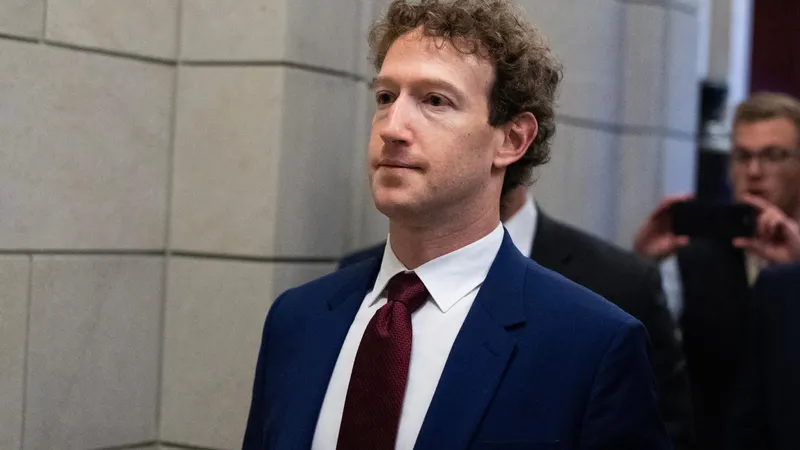
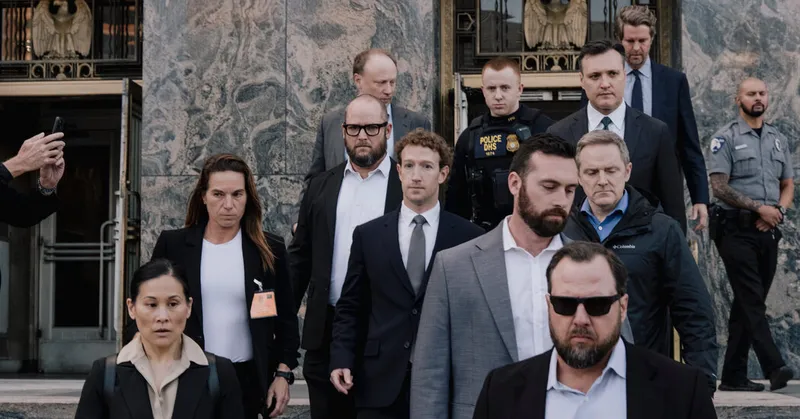
Meta's blockbuster trial draws parallels to big tobacco
economist.com
August 19, 2026
1 min read
62/100
Summary
Meta faces a federal trial in Oakland, California, over allegations that Facebook and Instagram caused harm while the company hid evidence about the effects of its products. Oral arguments began on August 18, and the case could become a major legal confrontation for the social-media company. The trial follows whistle-blower allegations from the early 2020s concerning Meta’s handling of information about potential harms linked to its platforms. A film scheduled for release in early October, “The Social Reckoning”, will dramatise those whistle-blowers’ role and the allegations against the company. The film is a sequel to “The Social Network”, which portrayed Mark Zuckerberg’s founding of Facebook. Investors have not yet shown panic over the trial, according to the source text.
What the discussion said
The thread focused less on courtroom theater than on the mechanics of engagement-driven recommendation systems: when does a feed stop helping people find material and start exploiting behavioral vulnerabilities to keep them scrolling? Commenters broadly treated personalized, infinite-content feeds as a plausible source of harm, especially for children, and argued that a company cannot escape scrutiny merely by describing the goal as engagement rather than addiction. The proposed legal path was not a blanket declaration that all social media is inherently addictive; it was showing concrete harm, what the company knew from internal research, and whether it concealed or ignored the evidence. The split was over enforceability. Several readers want severe limits on behavioral ranking, ranging from greatly weakening recommender systems to restoring chronological or subscription-only feeds. Others stressed that addiction is difficult to define cleanly and warned that broad rules could sweep ordinary useful recommendation features into the same category. Internal studies, behavioral experts, and prior public assurances were seen as potentially decisive because they could establish knowledge and deliberate inaction. There was little confidence that financial penalties alone would change a giant platform’s incentives, given its resources and the profits attached to maximizing attention.
Where opinion split
The sharp dispute is whether engagement-optimized recommendation algorithms can be regulated without an unworkably vague definition of addiction. Critics argue that using behavioral data to create self-reinforcing consumption loops is the actionable design choice, particularly once harm is known; skeptics argue that the line between a valuable personalized feed and an addictive one is legally hard to draw.
Community Sentiment
Positives
- Commenters preserved room for recommendation systems that genuinely help users discover wanted material, rejecting the idea that every ranked feed is automatically harmful.
- A harm-and-knowledge standard could target platforms that knowingly intensify damaging behavioral loops without requiring courts to classify all social media as addictive.
Concerns
- Behavioral ranking and infinite feeds are seen as attention-extraction machinery: personalization learns what keeps people consuming, then repeatedly serves it back at greater intensity.
- Meta’s long-running internal pressure to raise engagement is viewed as evidence that harmful compulsive use can be an engineered outcome even without an explicit addiction mandate.
- Internal research and paid behavioral expertise could show that the company understood mental-health risks, making public reassurance look like concealment rather than protection.
- Fines may barely dent a platform of Meta’s scale, leaving critics doubtful that ordinary enforcement can outweigh the revenue from highly engaging algorithms.