Does that use a lot of energy?
hannahritchie.github.io
March 4, 2026
16 min read
59/100
Summary
A tool provides estimates of daily energy consumption for various products and activities, measured in watt-hours (Wh). It aims to clarify the differences in energy usage to help users understand the impact of different activities on overall energy consumption.
Key Takeaways
- Energy consumption values are measured in watt-hours (Wh), representing the amount of energy consumed over time.
- LED bulbs use around 80% less energy than traditional incandescent bulbs for the same light output.
- Medium-efficiency TVs consume approximately 60 watts during active viewing, while larger modern TVs typically consume 80-100 watts.
- The energy consumption of devices like laptops and desktops varies widely, with MacBooks consuming around 5 to 100 watts depending on usage.
Coverage & discussions
Hacker News · hannahritchie.github.io
Community discussions
Community Sentiment
Positives
- The integration of AI in energy consumption analysis can help users better understand and contextualize their energy usage, leading to more informed decisions.
- The tool's ability to highlight the relative energy consumption of various devices, including petrol cars, provides valuable insights that can challenge common misconceptions.
Concerns
- There appears to be a significant misunderstanding among the public regarding the energy consumption of everyday devices, which can lead to ineffective energy-saving habits.
Related Articles
Postgres 19 delayed after AI reviewers find more bugs than humans can fix
Oct 16, 2026

Disrupting a new covert influence campaign from Russia
Aug 26, 2026

US data centers tripled annual water consumption to 17B gallons
Aug 25, 2026
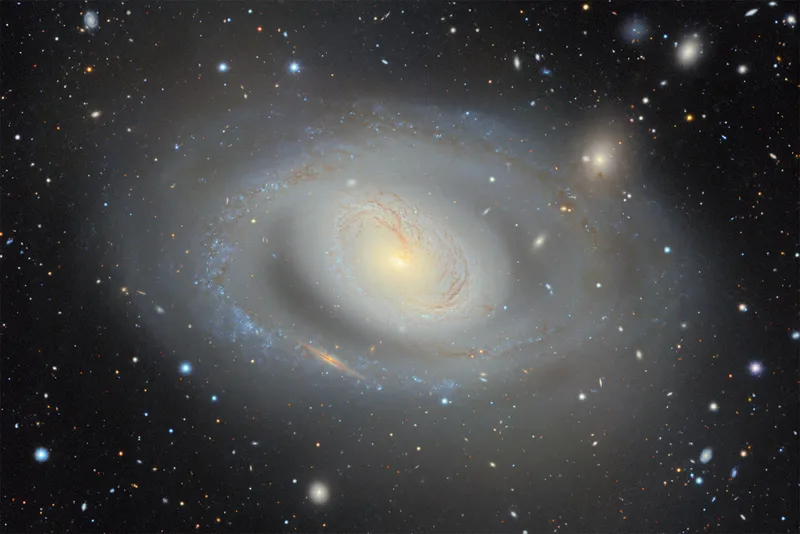
Scientists release biggest 2D map of the universe
Aug 21, 2026
AI boosted homework scores, then exam scores dropped: Study
Aug 21, 2026