AI boosted homework scores, then exam scores dropped: Study
canews24.online
August 21, 2026
2 min read
56/100
Summary
A study by David Stromberg of Stockholm University, Victor Lei, and Wu Yanhui of the University of Hong Kong tracked 27,000 Chinese students aged 12 to 18 and found a gap between AI-assisted homework performance and unaided exam results. About 80% of surveyed students reported using AI models including Doubao and DeepSeek, while the 20% who did not use AI served as a control group. Over six months, students using AI increased their average homework scores by 18% across subjects, according to figures reported by The Economist on August 18. Under exam conditions without AI access, those students scored 20% below classmates who had not used the tools during the period. The researchers’ full study had not been independently verified by other institutions at the time of publication. A 2024 University of Pennsylvania study found a similar pattern in math: students using ChatGPT or an AI tutoring program did better during practice but did not retain that advantage on a later closed-book test. A Brookings Institution tip sheet cautioned that AI can support learning when used intentionally, while overreliance that substitutes for thinking, social interaction, or creativity may hinder cognitive and social-skill development.
Key Takeaways
- Researchers tracking 27,000 Chinese students reported that AI users’ homework scores rose 18% over six months, while their unaided exam scores were 20% below those of non-users.
- Around 80% of students in the China study reported using AI tools such as Doubao and DeepSeek; the remaining 20% formed a non-AI control group.
- A 2024 University of Pennsylvania math study found that AI-assisted practice improved short-term performance but did not improve results on a later closed-book test.
- Brookings has said AI can support learning when intentionally used and well designed, but warned that using it to replace thinking, social interaction, or creativity can impede skill development.
Related Articles
Schools Never Taught Critical Thinking: AI Exposed the Lie
Apr 14, 2026
Professor's invisible prompt trap catches 32/35 students cheating with AI
Jul 27, 2026
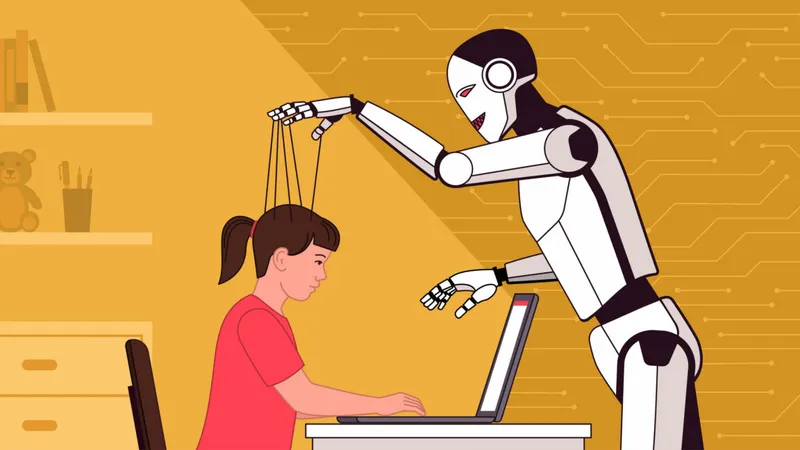
Suspecting AI cheating, Ivy League prof ordered in-person final; scores fell 50%
Jul 8, 2026
Student cheating now impossible to detect
Jun 20, 2026
Sal Khan's AI revolution hasn't happened yet
Apr 16, 2026