Meta confirms smart glasses were recording without being activated
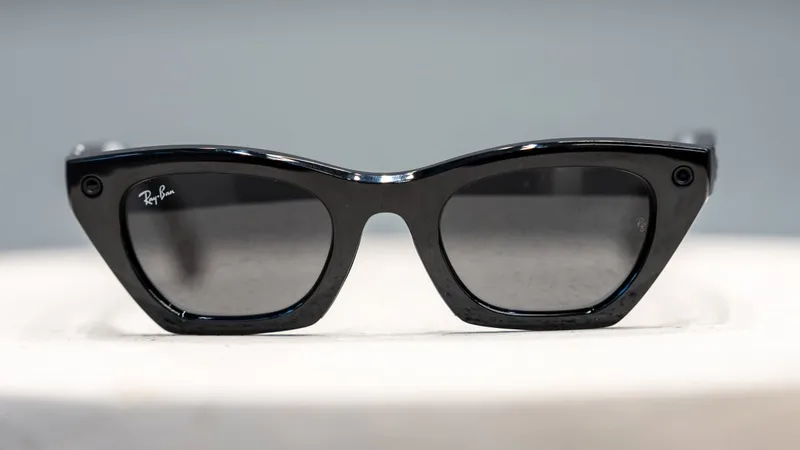
mashable.com
October 16, 2026
2 min read
46/100
Summary
Meta confirmed that a software issue caused some Ray-Ban Meta smart glasses to record and transcribe conversations without users activating them. A Meta spokesperson told Android Authority that the issue had been resolved and said users can manage, review, and delete voice logs from Meta AI interactions through the settings menu. A Reddit user reported that recordings occurred despite the “Hey Meta” activation prompt not being used and the setting for prompt-free activation being disabled. The user said the glasses’ white activation light turned on during conversations and that the behavior occurred across three pairs of Ray-Ban Meta glasses, including second- and third-generation models. Other users reported similar experiences in the discussion. Meta did not disclose the cause of the issue or specify how many devices or users were affected. Earlier in 2026, an investigation found that videos captured by Meta smart glasses had been sent to offshore Meta data-labeling workers in Kenya for AI training, including sensitive and intimate footage.
Key Takeaways
- Meta said it resolved an issue that caused some Ray-Ban Meta smart glasses to make audio recordings and transcripts without intended user activation.
- One user reported the behavior on three pairs of second- and third-generation Ray-Ban Meta glasses, while commenters described similar experiences.
- Meta said voice logs from interactions with Meta AI can be reviewed and deleted through device settings, but it did not disclose the cause of the recording issue.
- An earlier 2026 investigation found that videos recorded by Meta smart glasses were sent to offshore workers in Kenya for AI data labeling.
What the discussion said
The thread treats the accidental recording issue as an AI-training-data scandal, not a one-off wearable bug. Commenters focus on the reported path from unintended footage to offshore human labeling for model development, especially because the material allegedly included private and highly sensitive scenes. Their concern is not merely that a device malfunctioned; it is that an always-available camera can turn people who never consented into raw material for a company’s AI pipeline. There is near-unanimous cynicism about Meta’s ability to earn trust for AI-enabled glasses. Several readers argue that a recording failure might be survivable for a company with a credible privacy record, but Meta’s advertising-driven data business makes every such incident look like confirmation of the worst assumptions. References to encryption promises and public trust-building do not persuade them, because commenters see those assurances as incompatible with incentives to gather and exploit more behavioral data. No one defends the product, the labeling practice, or the company’s safeguards. The practical conclusion is bleak: smart glasses will struggle for social acceptance while users and bystanders believe accidental capture can expose intimate footage to contractors and potentially feed AI training.
Coverage & discussions
Hacker News · mashable.com
Community discussions
Community Sentiment
Concerns
- Unintended smart-glasses footage reportedly reaching overseas annotators makes AI training feel like surveillance by default, especially when bystanders never agreed to become dataset material.
- Commenters see Meta’s data-harvesting business model as fundamentally at odds with credible consent safeguards for camera-equipped AI devices.
- A recording bug is not treated as an isolated defect: with intimate footage allegedly involved, it becomes evidence that the product lacks the trust required for mainstream adoption.
Related Articles
Meta Files Patent for Facial Recognition, Automatic Recording of People
Aug 18, 2026

Workers report watching Ray-Ban Meta-shot footage of people using the bathroom
Mar 9, 2026
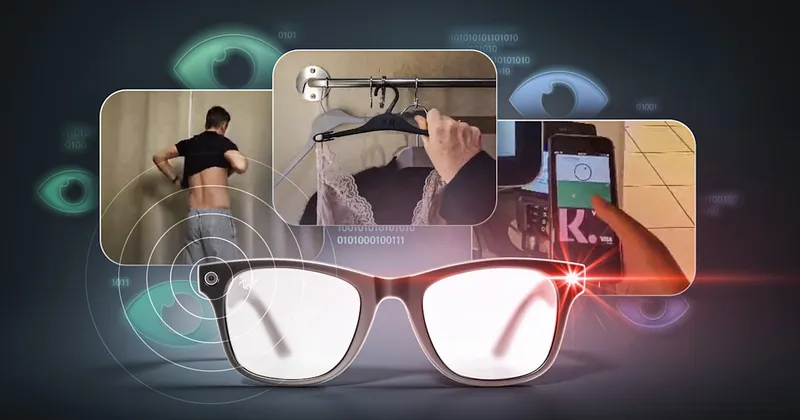
Meta’s AI smart glasses and data privacy concerns
Mar 2, 2026
"A serious threat to privacy" Meta issued warning by 75 orgs over planned facial recognition in smart glasses
Apr 14, 2026

Meta pauses AI training program tracking employee keystrokes after internal leak
Jun 22, 2026