Nano-vLLM: How a vLLM-style inference engine works
neutree.ai
February 2, 2026
9 min read
🔥🔥🔥🔥🔥
61/100
Summary
Large language models (LLMs) rely on inference engines to process prompts and manage requests efficiently in production environments. Understanding the architecture and scheduling of these engines, such as Nano-vLLM, is essential for optimizing LLM deployment.
Key Takeaways
- Nano-vLLM is a minimal, production-grade implementation of an inference engine for large language models, consisting of approximately 1,200 lines of Python code.
- The architecture of Nano-vLLM utilizes a producer-consumer pattern to efficiently manage the scheduling of requests and improve throughput by batching sequences.
- The system processes prompts through a tokenizer that converts natural language into tokens, which are then organized into sequences for further processing.
- Batching multiple sequences together reduces the fixed overhead associated with GPU computation, significantly enhancing overall throughput despite introducing a latency trade-off.
Coverage & discussions
Hacker News · neutree.ai
Community discussions
Hacker News discussion ↗
Historical count: 2 · 2 saved in sample · Historical sample
Awaiting analysis
Related Articles
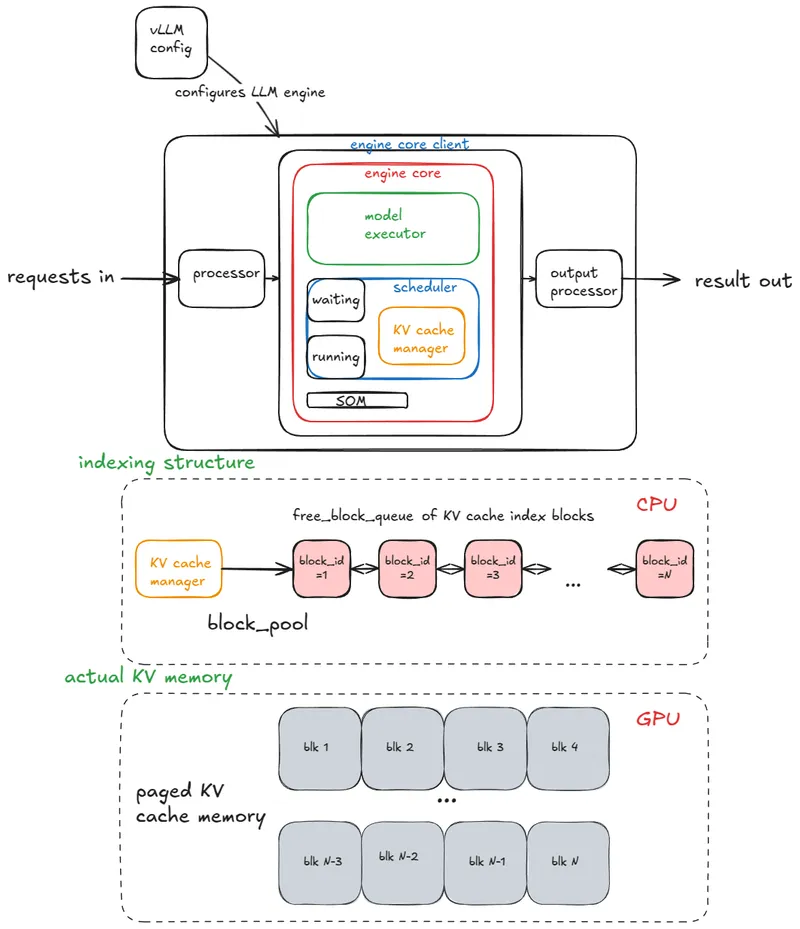
Inside vLLM: Anatomy of a High-Throughput LLM Inference System (2025)
Aug 6, 2026
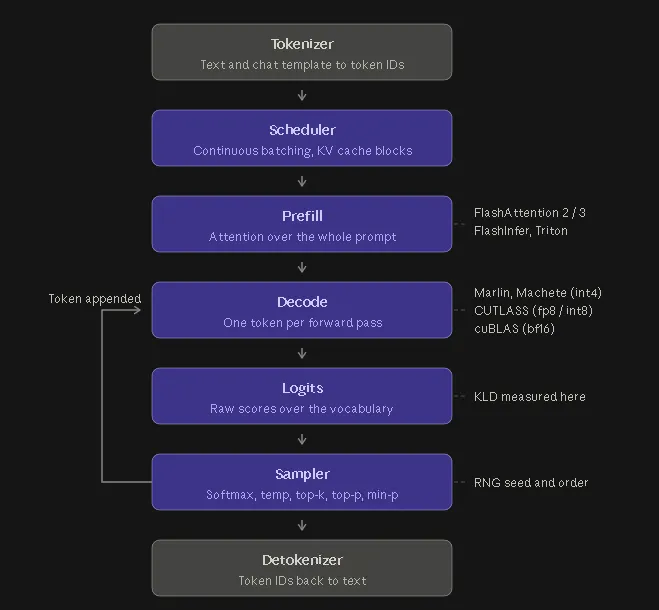
Why your local LLM feels dumber than it is
Aug 22, 2026

A 10 year old Xeon is all you need
Jun 1, 2026

LLM Neuroanatomy II: Modern LLM Hacking and Hints of a Universal Language?
Mar 24, 2026
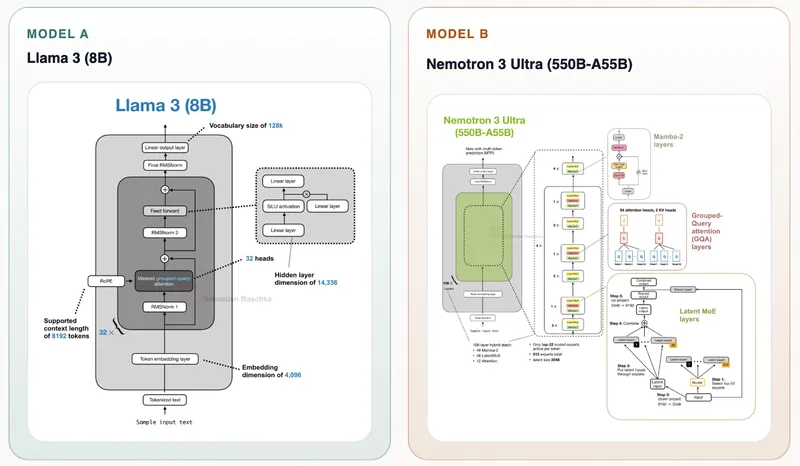
LLMs Are Complicated Now
Jun 20, 2026