Pluto.jl 1.0 release – reactive notebook for Julia

discourse.julialang.org
June 2, 2026
10 min read
🔥🔥🔥🔥🔥
59/100
Summary
Pluto 1.0 is the first stable release of an interactive environment for notebook programming in Julia after six years of development. This version signifies the readiness of Pluto for broader use and showcases the progress made during its development.
Key Takeaways
- Pluto 1.0 is an interactive environment for notebook programming in Julia, designed to make scientific computing more accessible and fun.
- Pluto notebooks are reactive, allowing changes in one cell to instantly affect others, enhancing the experimentation process.
- The new version includes features for reproducibility, such as automatic package management and self-contained HTML exports that include source code and package environments.
- Pluto has been the #1 starred Julia package on GitHub since 2021 and is widely used in educational settings, including courses at MIT.
Community Sentiment
Positives
- Pluto's reactive notebooks offer a fresh perspective, making Jupyter's traditional model seem inconvenient and illogical for many users.
- The project is a promising step for Julia to gain traction in academic circles, potentially breaking the dominance of Python in data science.
- The introduction of reactive notebooks like Pluto and Livebook highlights the need for innovation in the notebook space, pushing boundaries beyond traditional formats.
Concerns
- The output positioning in Pluto, which displays results above the commands, disrupts the reading flow and detracts from the user experience for those accustomed to linear document formats.
- There are concerns about whether a pure Julia notebook can compete effectively with established platforms like Jupyter, which already supports multiple languages.
Related Articles

How the Claude Code team does code review
Oct 16, 2026
Llama.cpp on a jailbroken PS5: run any GGUF model natively on the console
Oct 16, 2026

Apple ML Research: Muse Spark Open with MLX on Mac Studio
Oct 16, 2026
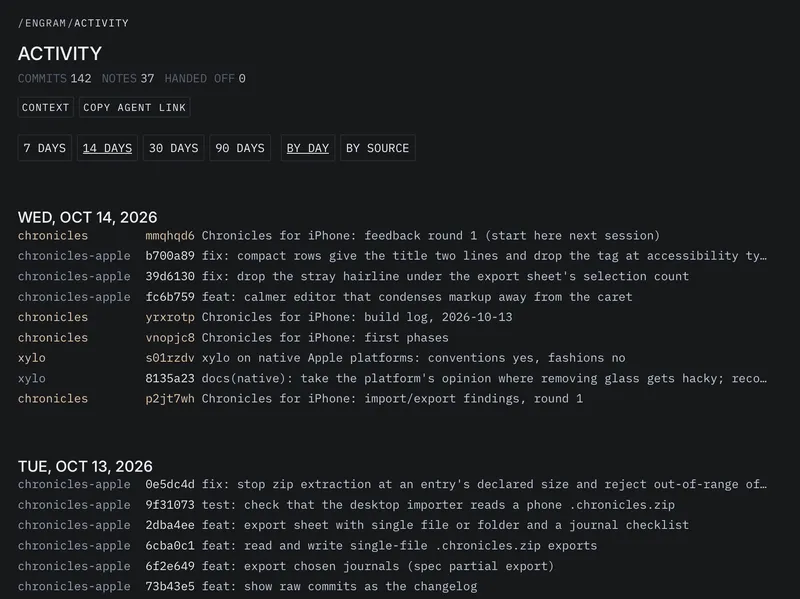
My old job feels distant now
Oct 16, 2026
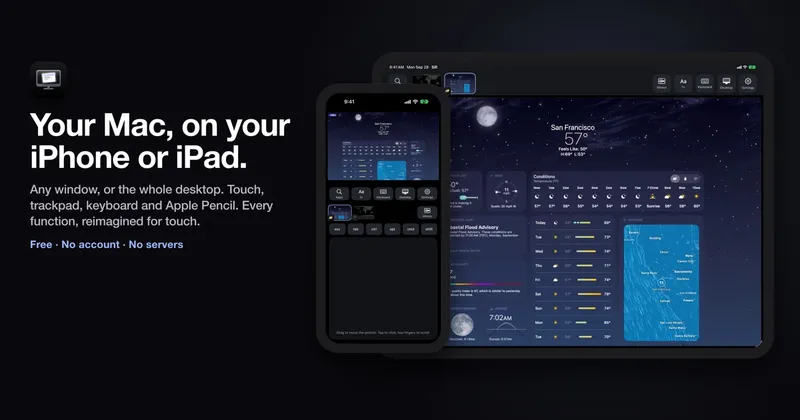
Any window from your Mac, on your iPhone and iPad
Oct 16, 2026