'We used acid to sabotage Microsoft hyperscale data centre construction'
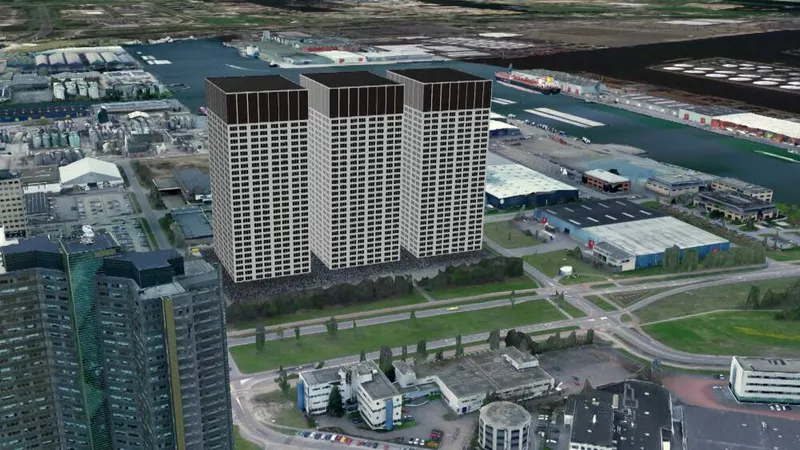
techwerkers.nl
July 16, 2026
3 min read
47/100
Summary
On July 16, members of Extinction Rebellion targeted a Microsoft data center construction site in Amsterdam. They attempted to weaken the concrete foundations by applying a mixture of hydrogen peroxide, acetic acid, salt, and acrylic.
Key Takeaways
- Activists from Extinction Rebellion targeted a Microsoft data center construction site in Amsterdam, using a chemical mixture to weaken the concrete foundations.
- A single Microsoft data center in Middenmeer accounts for 1% of all electricity use in the Netherlands.
- There is growing public concern in the Netherlands regarding the ecological and social impacts of large data centers, particularly related to water shortages and energy consumption.
- The global movement against energy-intensive hyperscale data centers is gaining momentum, with local opposition disrupting numerous projects in the United States.
Community Sentiment
Positives
- Activists may be raising awareness about the environmental impact of data centers, which could lead to more scrutiny on future projects, shifting the landscape for AI infrastructure.
- The public's increasing support for climate activism could signal a growing demand for sustainable practices in AI development and data center operations.
Concerns
- Sabotaging a single data center construction is seen as a futile act that ultimately doesn't address the larger issue of carbon emissions from AI-related infrastructure.
- Critics argue that actions like these could backfire, leading to more emissions when the concrete is redone, which contradicts the activists' goals.
- The general perception is that such sabotage might actually hinder progress toward sustainable practices in AI, rather than help it.
Related Articles
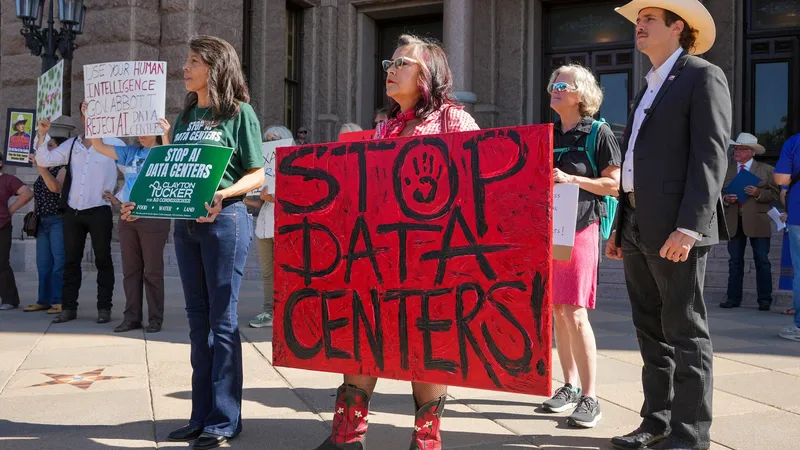
U.S. gov't moves to suppress pushback on data centers
Aug 26, 2026

US data centers tripled annual water consumption to 17B gallons
Aug 25, 2026
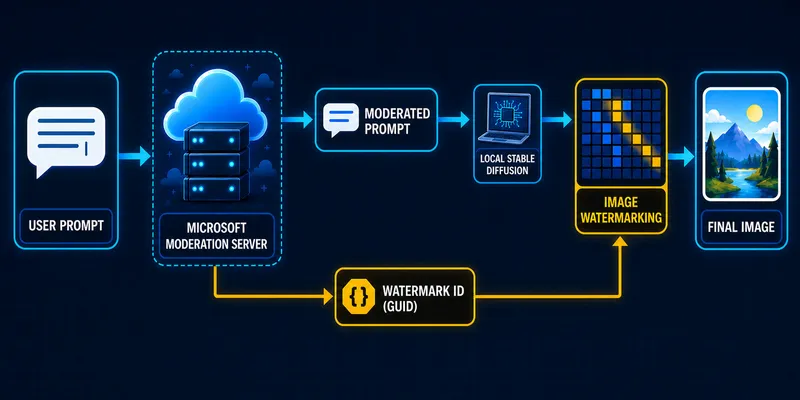
MS Paint and Photos inivisibly watermark even locally generated output with GUID
Aug 24, 2026
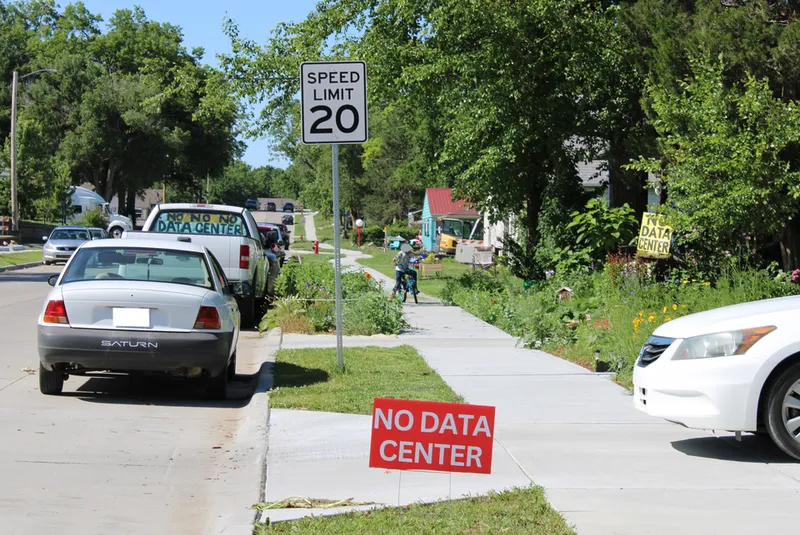
GOP urges top AI firms to do something about the toxic image of data centers
Aug 22, 2026

Jason Kelce Encourages People To Mail Jars Of Pee To AI Data Centers In Bizarre New Ad—And We Don't Know What To Think
Aug 20, 2026