Top stories
Story · 1 report
AI analysis of CT scans finds 42.9% of patients have coronary inflammation
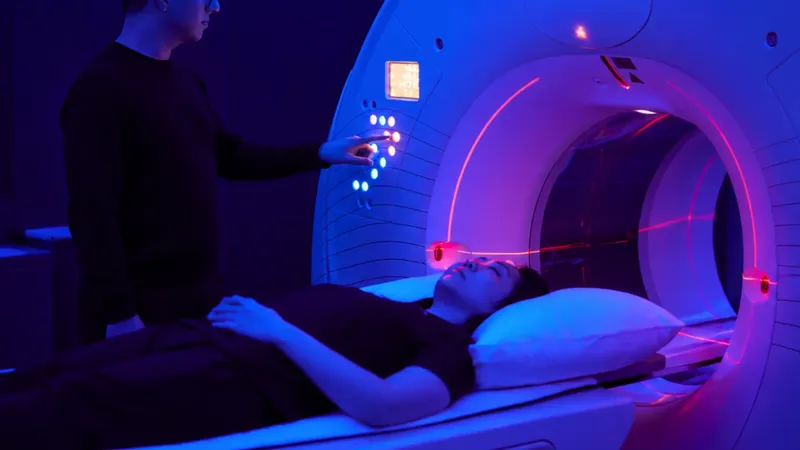
Biograph completed a U.S. study of Caristo Diagnostics’ AI-powered CaRi-Heart coronary-inflammation analysis in asymptomatic adults considered low risk and without known heart disease. The study paired high-resolution coronary CT angiography, cardiometabolic profiling, CaRi-Heart inflammation measurements and CaRi-Plaque plaque and stenosis analysis. Biograph said the study was available to clinically eligible members of its Black tier and that its manuscript has been published as a preprint. Biograph reported elevated coronary inflammation in 42.9% of participants and very high inflammation in at least one major coronary artery in 17.9%. About 47% of participants with no detectable coronary plaque had elevated perivascular inflammation, according to the findings. Cholesterol measures including ApoB and non-HDL-C, HbA1c, hs-CRP, and the AHA PREVENT-ASCVD risk calculator showed no correlation with the detected inflammation in this study. Biograph said the results may identify an earlier phase of coronary disease, but said further research is needed to validate the findings and determine the prognostic value of inflammation measurements and the benefits of care directed at them. CaRi-Heart has FDA De Novo marketing authorization to quantify coronary inflammation from routine coronary CT angiography, while CaRi-Plaque has FDA clearance for AI-assisted plaque and stenosis analysis.
biograph.com
🔥🔥🔥🔥🔥1 min summary
10/22/2026
Story · 1 report
New AI Is More Than Twice as Good at Diagnosing Diseases as Doctors
Microsoft’s AI Diagnostic Orchestrator, or MAI-DxO, achieved 83.2% diagnostic accuracy on complex cases from The New England Journal of Medicine, compared with 36.1% for generalist physicians using reference materials. Physicians without those materials scored about 22%. In a separate emergency-department admissions test, MAI-DxO scored 80.3%, versus 46.8% for generalist physicians. Microsoft reported its strongest results with OpenAI’s GPT-5 and additional improvements with GPT-5.5. MAI-DxO begins with a patient’s chief complaint, then sequentially selects follow-up questions and diagnostic tests before reaching a conclusion. It assigns AI agents roles including proposing diagnoses, choosing tests, challenging assumptions, and weighing costs. Microsoft said simulated-case estimates indicated the system reached diagnoses using fewer tests and procedures at roughly half to one-third of the cost, though those estimates were not actual medical expenses. The findings, first posted as an arXiv preprint last year, have been published in Science. Microsoft AI chief Mustafa Suleyman said real-world use would require clinical testing. Dr. Dominic King, Microsoft’s AI health lead, said testing was expected to begin at Beth Israel Deaconess Medical Center in Boston within months. The researchers said the performance gap would likely narrow against specialist physicians rather than generalists, and medical experts have said diagnostic benchmark performance does not establish that AI should replace doctors.
gizmodo.com
🔥🔥🔥🔥🔥2 min summary
10/23/2026

No more articles to load