AI ruling prompts warnings from US lawyers: Your chats could be used against you

reuters.com
April 15, 2026
5 min read
55/100
Summary
U.S. lawyers are advising clients against treating AI chatbots as confidential sources, especially in legal matters, due to a recent ruling where a judge allowed AI chats to be used as evidence in a securities fraud case. This ruling raises concerns about the potential legal implications of sharing sensitive information with AI systems.
Key Takeaways
- U.S. lawyers are advising clients against treating AI chatbots as trusted confidants due to potential legal implications, especially after a federal ruling allowed prosecutors to access AI-generated communications in criminal cases.
- A New York federal judge ruled that attorney-client privilege does not apply to communications with AI chatbots, as no attorney-client relationship exists between users and AI platforms.
- Major U.S. law firms are advising clients to take precautions to protect their communications with AI tools, as revealing information to third parties can jeopardize legal protections.
- Courts are currently addressing the implications of AI use in legal contexts, with varying rulings on the confidentiality of AI-generated communications in different cases.
Community Sentiment
Positives
- Local AI models provide a safer alternative for sensitive discussions, as they mitigate risks associated with cloud-based services and potential legal scrutiny.
- Privacy-focused platforms like Venice offer legal protections and encryption options, enhancing user confidence in handling sensitive information with AI.
Concerns
- The ruling raises significant concerns about the erosion of attorney-client privilege, as AI-generated content may not be protected from legal discovery.
- Using AI chatbots for sensitive legal discussions is inherently risky, as it exposes individuals to potential legal repercussions and compromises their privacy.
Related Articles
Judge Learns Both Sides Used AI, Cancels Trial, Kicks Everyone Off the Case
Jun 9, 2026
Pennsylvania sues AI company, saying its chatbots illegally hold themselves out as licensed doctors
May 5, 2026
India's top court angry after junior judge cites fake AI-generated orders
Mar 3, 2026
A.I. note takers are making lawyers nervous
May 11, 2026
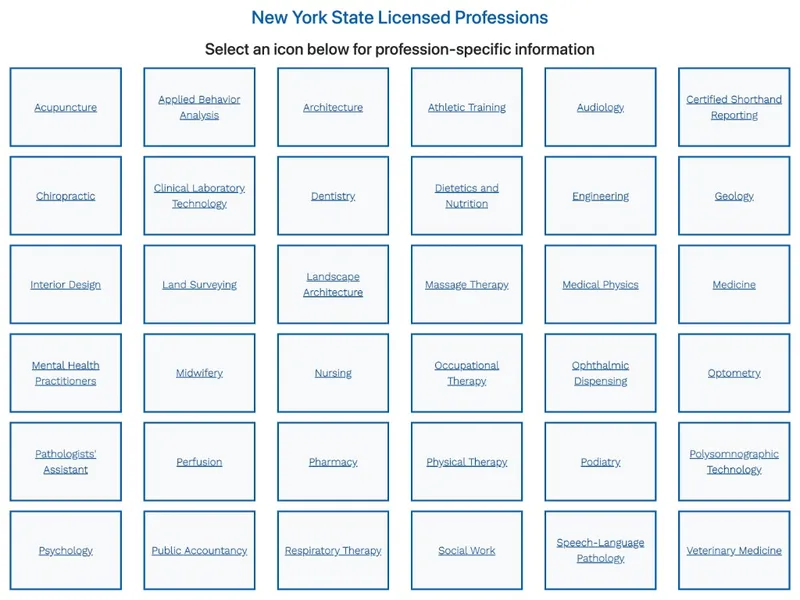
New York could prohibit chatbot medical, legal, engineering advice
Mar 4, 2026